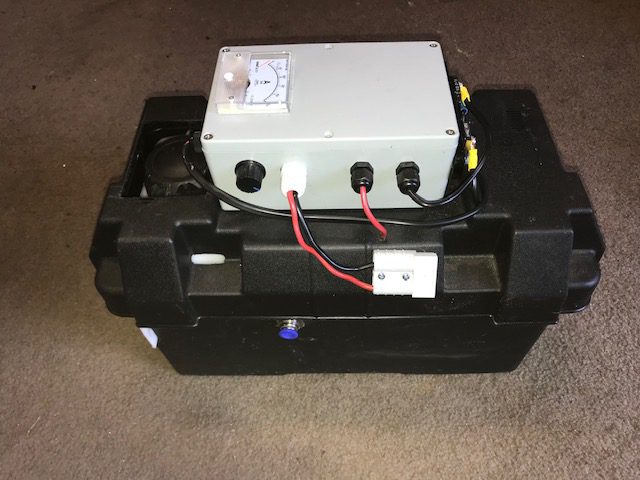
How do Hydrogen Systems work in cars, trucks and boats
How does Hydrogen improve engine economy and increase power output? Hydrogen Systems work
I get asked this question a lot. How do Hydrogen systems work? How do Hydrogen systems save me money? How do hydrogen systems make my engine run better?
And yet, this is the most important point to understand if you want to make your car more fuel efficient using this technology. The underlying physics and chemistry/ chemical thermodynamics of this subject can be very complicated, but fortunately the basic concepts are very few and extremely simple.
Hydrogen gas mixed with petrol or diesel fuels increases the rate of burning by a factor or 1800 and increases the percentage of the fuel which is burnt and reduces the wasted fuel the is lost through the exhaust or wasted in passing through the “Rings” damaging the lubricating oil.
Misconception
Many people think that we are generating Hydrogen so we can burn it, and that burning this HYDROGEN adds so much power. People think we get better fuel mileage. In actual fact, this is not the case. To prove this point, lets this a step further. There are 3 energy conversions at work
here:
Mechanical to electrical (the alternator generates electrical energy)
Electrical to chemical (the cell makes hydrogen from electro-chemical energy)
Chemical to mechanical (the Hydrogen burns in the engine to make mechanical energy)
Hydrogen Systems work
The problem is that there are 3 energy conversions occurring here, and each one loses some energy. This is in agreement with the third law of chemical thermodynamics. It is a basic fundamental of physics that in any conversion of energy from one form to another, there is going to be some loss.
Unfortunately there is no such thing as 100% efficiency. In some of these conversions there is quite a bit of loss. If this is all there was to the picture, then the system would actually lose mileage. I’ve seen this mistaken idea expressed in magazines and on television news coverage to prove that Hydrogen on demand doesn’t work.
There is a remarkable simplicity to this technology. If you add HYDROGEN to your engine, you will get an increase in combustion efficiency.
Contains custom information set by the web developer via the _setCustomVar method in Google Analytics. This cookie is updated every time new data is sent to the Google Analytics server.
2 years after last activity
__utmx
Used to determine whether a user is included in an A / B or Multivariate test.
18 months
_ga
ID used to identify users
2 years
_gali
Used by Google Analytics to determine which links on a page are being clicked
30 seconds
_ga_
ID used to identify users
2 years
_gid
ID used to identify users for 24 hours after last activity
24 hours
_gat
Used to monitor number of Google Analytics server requests when using Google Tag Manager
1 minute
__utmz
Contains information about the traffic source or campaign that directed user to the website. The cookie is set when the GA.js javascript is loaded and updated when data is sent to the Google Anaytics server
6 months after last activity
_gac_
Contains information related to marketing campaigns of the user. These are shared with Google AdWords / Google Ads when the Google Ads and Google Analytics accounts are linked together.
90 days
__utma
ID used to identify users and sessions
2 years after last activity
__utmt
Used to monitor number of Google Analytics server requests
10 minutes
__utmb
Used to distinguish new sessions and visits. This cookie is set when the GA.js javascript library is loaded and there is no existing __utmb cookie. The cookie is updated every time data is sent to the Google Analytics server.
30 minutes after last activity
__utmc
Used only with old Urchin versions of Google Analytics and not with GA.js. Was used to distinguish between new sessions and visits at the end of a session.
End of session (browser)
SourceBuster is used by WooCommerce for order attribution based on user source.
Name
Description
Duration
sbjs_session
The number of page views in this session and the current page path
30 minutes
sbjs_udata
Information about the visitor’s user agent, such as IP, the browser, and the device type
session
sbjs_first
Traffic origin information for the visitor’s first visit to your store (only applicable if the visitor returns before the session expires)
session
sbjs_current
Traffic origin information for the visitor’s current visit to your store
session
sbjs_first_add
Timestamp, referring URL, and entry page for your visitor’s first visit to your store (only applicable if the visitor returns before the session expires)
session
sbjs_current_add
Timestamp, referring URL, and entry page for your visitor’s current visit to your store
session
sbjs_migrations
Technical data to help with migrations between different versions of the tracking feature
session
Marketing cookies are used to follow visitors to websites. The intention is to show ads that are relevant and engaging to the individual user.
Google Maps is a web mapping service providing satellite imagery, real-time navigation, and location-based information.