Details Hydrogen Kits Gen 10, Gen 15, Gen 20 systems
Views:258
Details Hydrogen Kits Gen 10, Gen 15, Gen 20, Generation 25 systems
Dec28 2025 report:
We have developed a new alloy anode that has been shown to produce up to an extra 30% more Hydrogen gas output.
This alloy material allows the system to produce large quantities of Hydrogen with a overpotential as low as 0.1 volts. At 30 amp that is only 3 watts of heating rather than the standard 24 watts of heating. Effectively it produces more hydrogen gas by making the cells more efficient,
It does reducing the energy wasted as Heat. The higher standard overpotential of 0.8 volts required by standard electrodes generates excessive heat. At 30 amp that is 24 watts of heating.
The new electrodes also providing extra protection from oxidation of the electrodes in the KOH alkali electrolyte. It has been shown that weaker solutions of electrolyte can be used which also reduces the electrical energy wasted as heat.
Having a Lower over-potential means that more cells can be connected to the available power supply to again produce even more hydrogen gas. This alloy used is patented to Hydrogen fuel systems pty ltd
How to save fuel and increase power for an engine using water to make Hydrogen
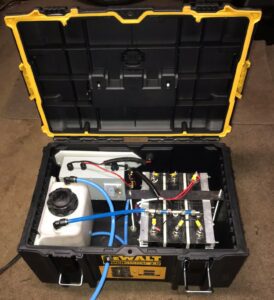
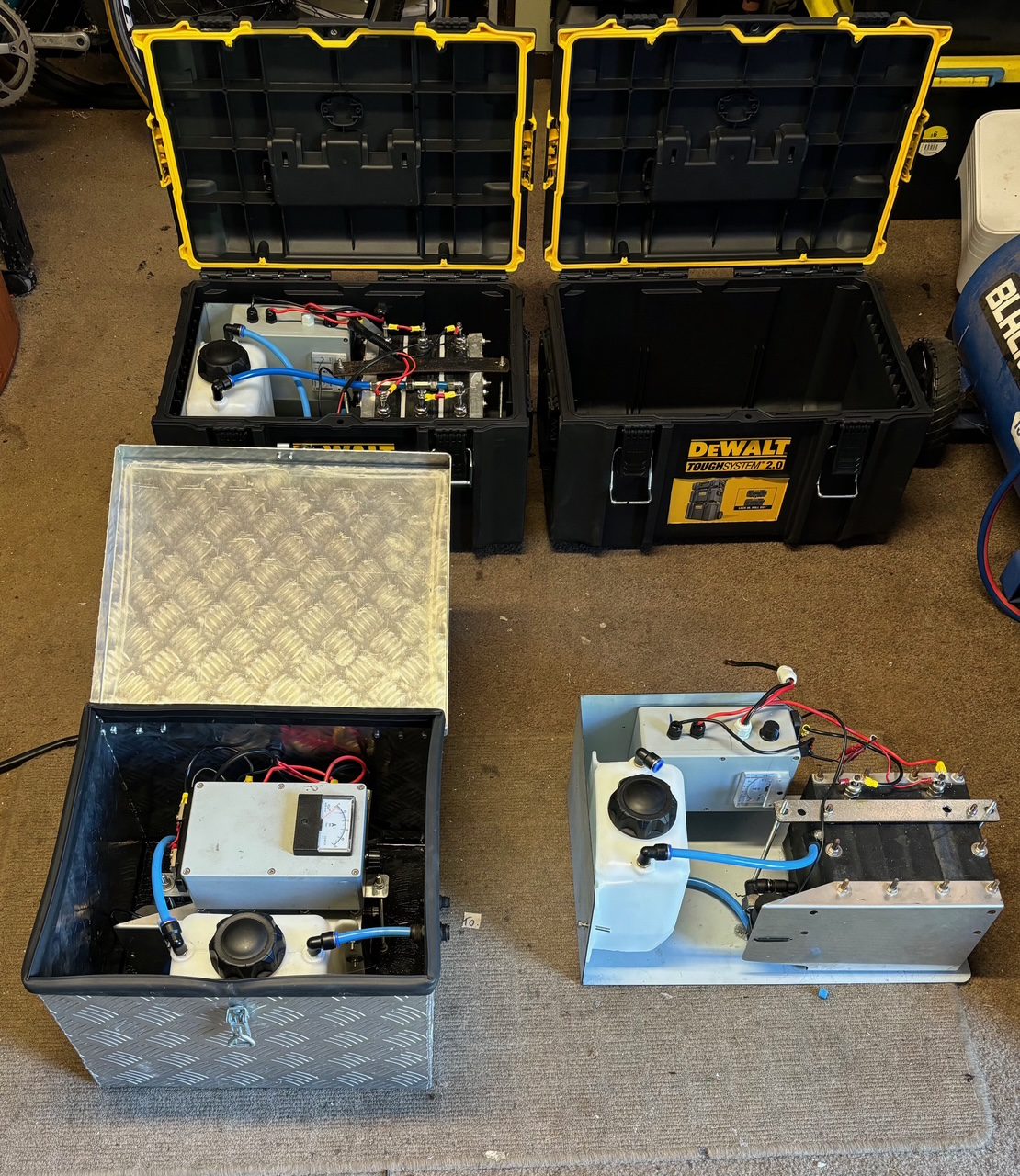
The Gen 10 , Gen 15, Gen 20 and Gen 25 Hydrogen fuel generator systems are shown below. These systems are available mounted into enclosures which are either
For more detailed information or any specific queries, please feel free to contact our technical support team.
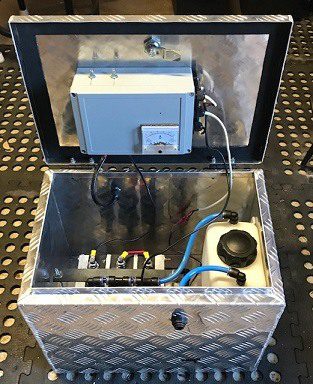
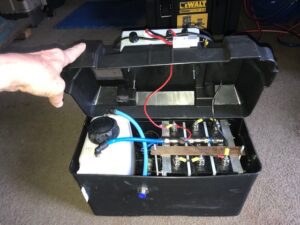
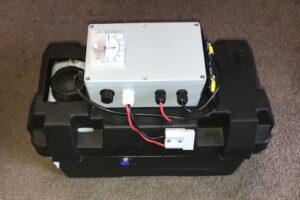
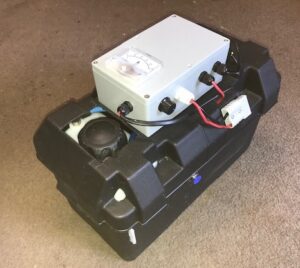
Gen 10 Hydrogen fuel system in plastic enclosure box 41 x 21 x 35cmGen 10 Hydrogen fuel system in plastic enclosure box 41 x 21 x 35cmGen 10 Hydrogen fuel system in plastic enclosure box 41 x 21 x 35cmGen 15 Hydrogen system in Tough-box plastic enclosure 53 cm x 33 cm x 33 cm
Hydrogen fuel system running at 12 volts and 27 amp will consume 1 liter of water every 10 hours of operation. – that is 1830 litres of gas. This water is converted into Hydrogen gas and oxygen gas.
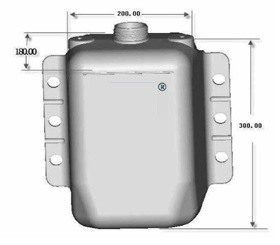
The standard Gen 10, Gen 15 and Gen 20 Hydrogen fuel system uses a 3 liter water recycling tank to provide water to the system. This tank should be refilled once the system has consumed a max of 2.5 litres.
Do not let the tanks run empty.. 2.5 litre consumption corresponds to 25 hours of driving. (4575 litres of gas). Single Gen 20 Systems typically deliver 3.2 to 4.2 Litres of Gas per minute
Tank bottom level Must be kept above level of bottom inlet of electrolysis cell.
Twin Gen 20 Hydrogen Fuel Systems Powering a Coogee Chemicals 16 liter Truck – towing two trailers of Chemicals to the Mines – NW West Australia
This Single Gen 25 system is equivalent to running three Gen 20 Systems on a Truck – electrode plate area, current carrying capacity, gas output
Gen 15 and Gen 20 Systems (April 2023) can be operated at 30 to 45 amp and only 12 volt. Operating at higher current will produce more gas and consume water faster.
Higher voltage produces more unwanted Heat – Our patented systems run cooler and generate 100% more hydrogen gas. A voltage converter should be used to drop 24 volt down to 12 volt – if your Vehicle is 24 volt output.
The 3000 watt power supplyis easily capable delivering 30 amp and 12 volt or 24 volt. For cars It is advised to run the system at no more than 30 amp and 12 volt.
With the exceptional output of these hydrogen Generator kits 3.2 Litres of gas per minute is more than enough to deliver savings such as the 42% savings reported .
March 2023 a New 3 litre vehicle tested in Heavy congested traffic in Pune delivered 42 % savings over an 11 day period
Gen 15 and Gen 20 Systems is fitted with the 3000 watt power supply. The 3000 watt power supply should be run no more than 40 amp at 12 volt. Trucks with 24 volt MUST Use a 24 volt to 12 volt Inverter to reduce the voltage into the System. This system must not be run directly from a 24 volt supply.
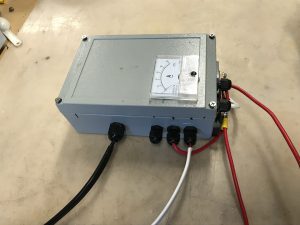
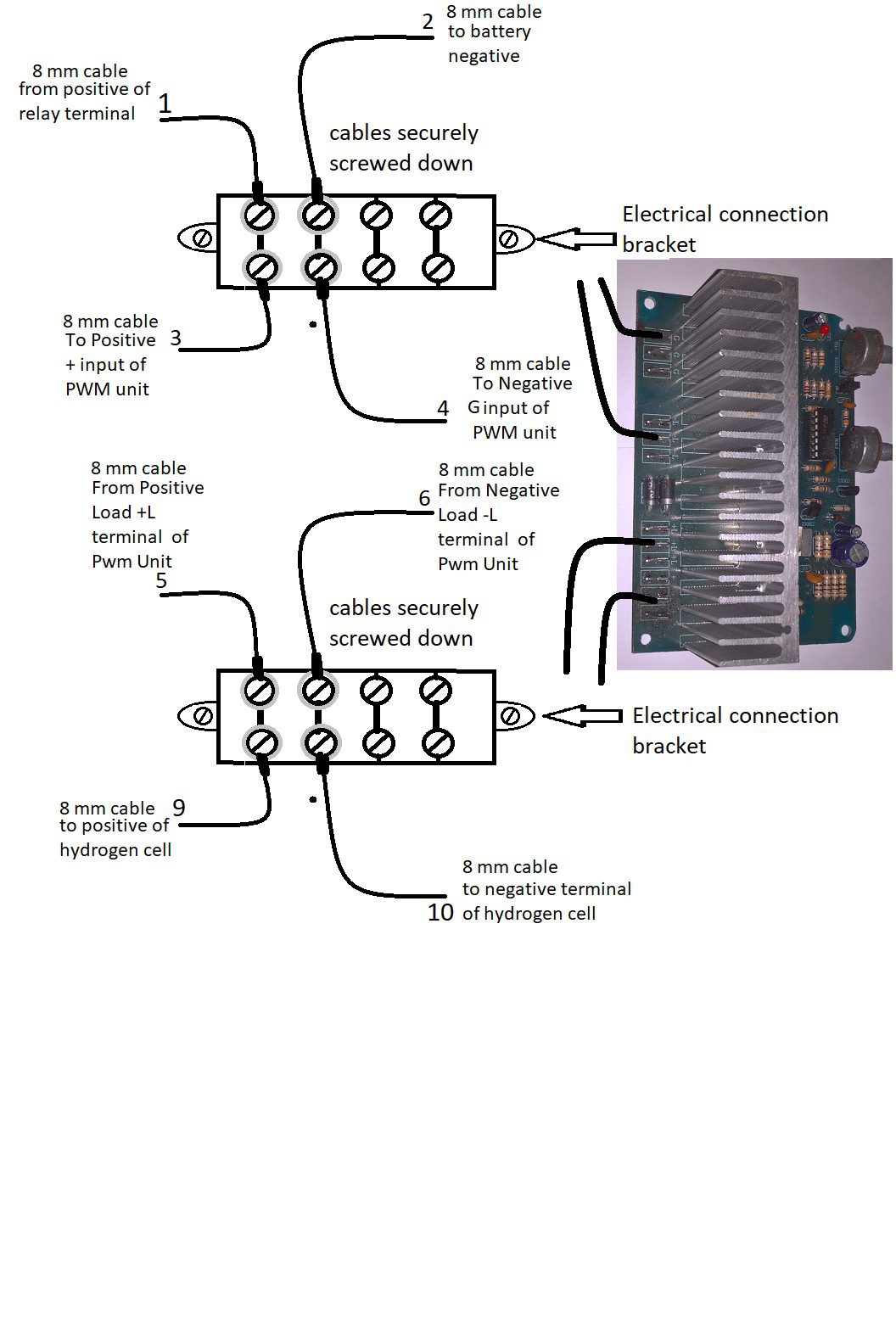
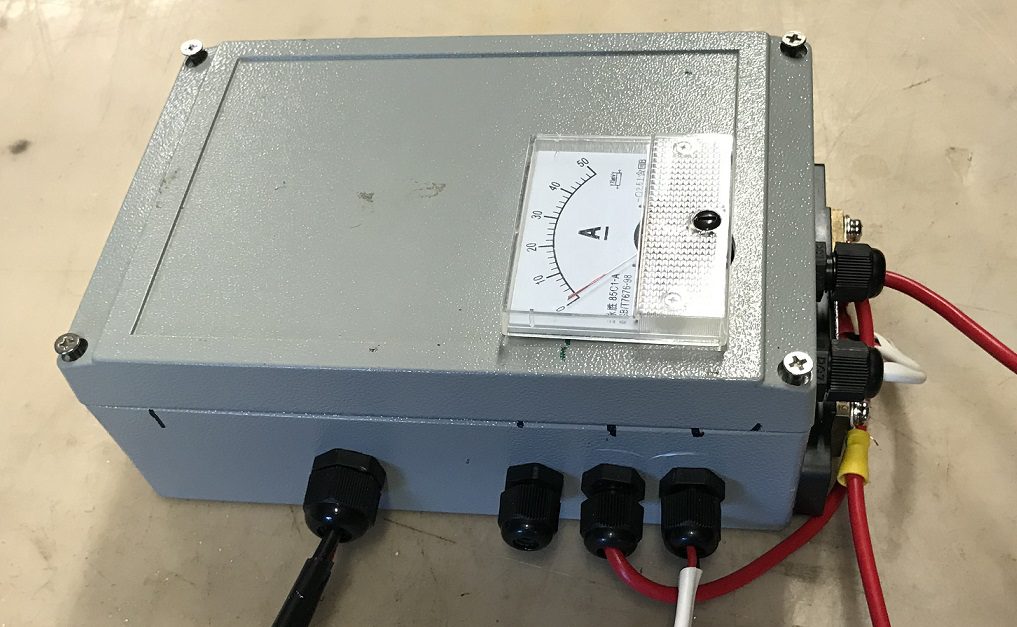
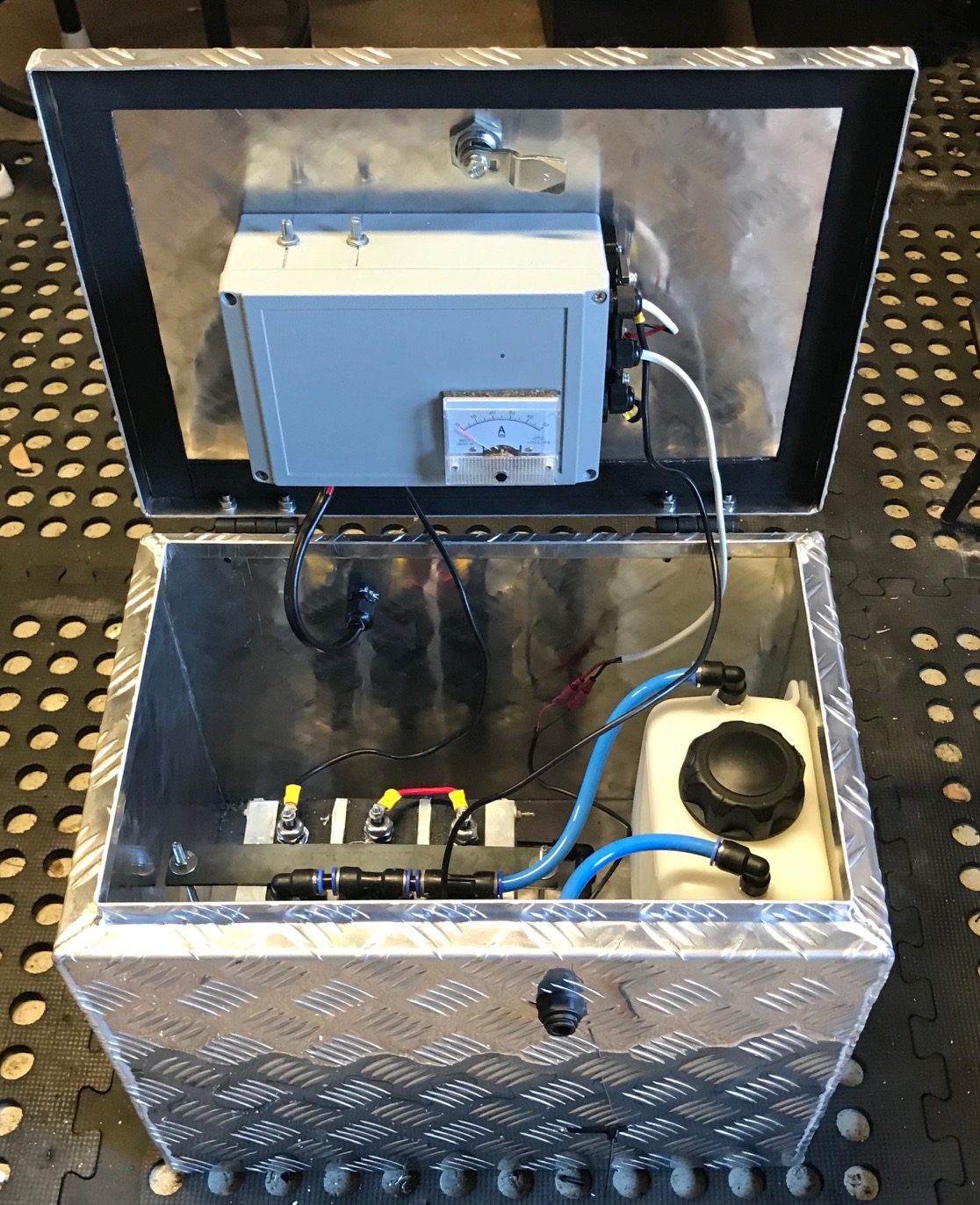
All Power supplies are mounted into a sealed diecast aluminum enclosure box and use cable glands to connect the wiring – see diagram.
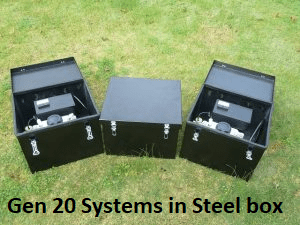
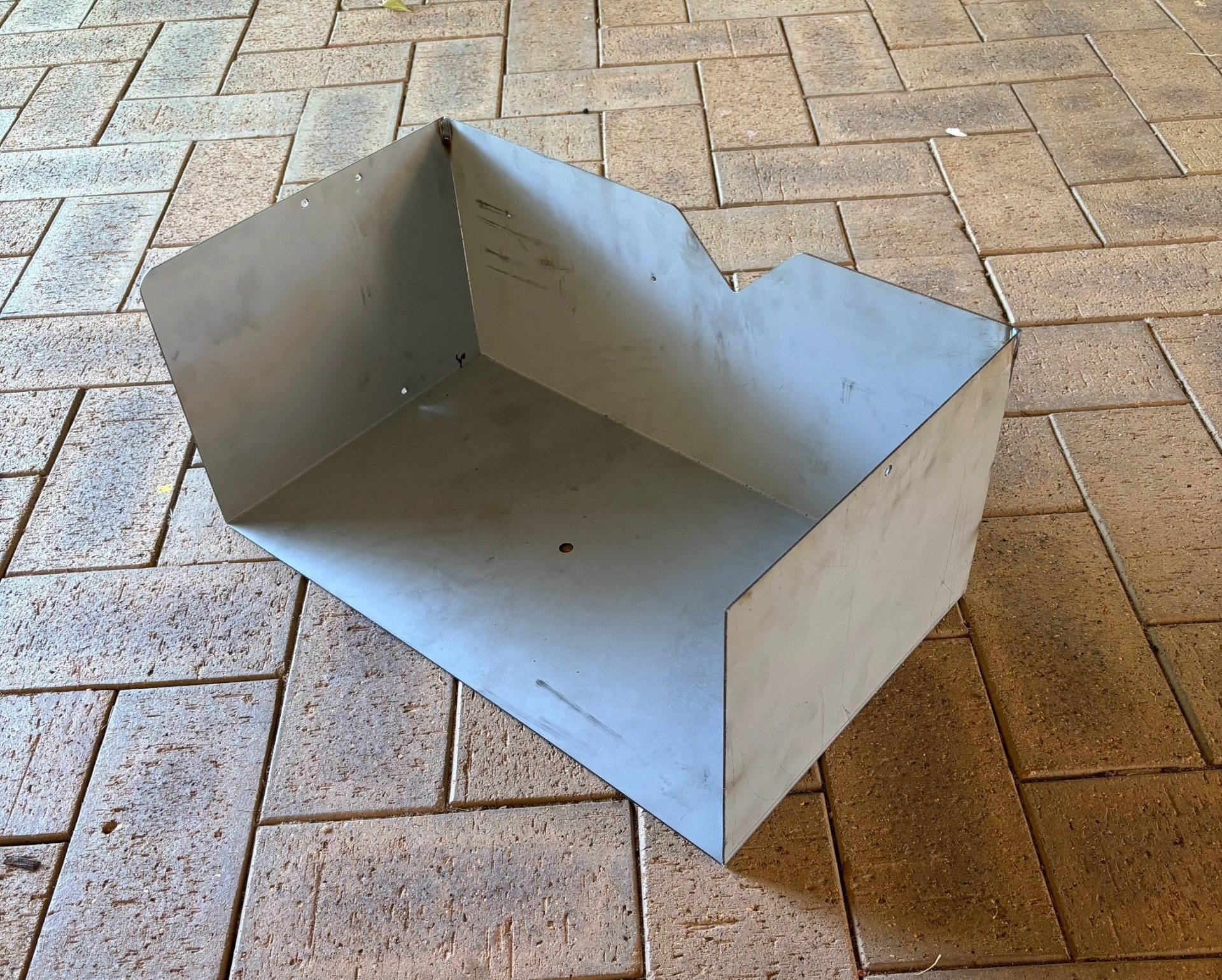
Twin Systems are available as special orders . Twin systems are mounted into a custom made Steel , Stainless steel or Checker-plate aluminum enclosure. – see attached photos
Twin Systems have two separate power supplies mounted into two separate diecast aluminum power supply boxes.
Twin Systemsare ideal for larger 15 liter engines as used on trucking and trawlers
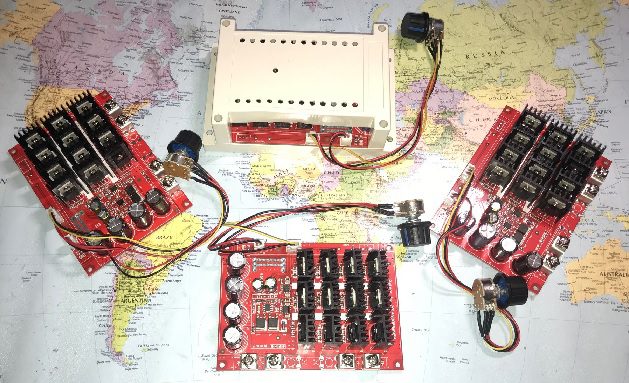
Excellent heat dissipation prevents the electronic components being damaged . Therefore these PWM power supplies can be used for continual use in all climatic conditions.
High Pressure Pumping Arrangement
High pressure Pumping system delivers a fluid pressure to the Hydrogen cell system to increase Hydrogen Gas Production. The Output fluid pressure of the pump is hydraulically matched to the cells structure to provide a optimum diffusion coefficient of the cells.
An optimum Diffusion coefficient determines the rate that active hydroxide chemicals in water can react with the plates.
Laminar flow used by most hydrogen buoyancy systems has Very low diffusion coefficient . These buoyancy systems have much reduced hydrogen generation output. Poor buoyancy systems of the high internal resistance at the plate surface making heat , making water boil.
Patented Hydrogen Cell Structure
The latest test (April 2023) on the K 30 Hydrogen system (upgraded Gen 15) – 4 litres of gas produced at 35 amp and 12 volt – improved Truck ecconomy by 31 % and improved 3.6 Litre V6 4WD efficiency by 42%. The Hydrogen Cell structure is a patented arrangement involving Stainless steel 316L . Stainless steel 316L Plates are inert in an electrolysis reaction using Distilled water / rain water with a potassium hydroxide electrolyte . The potassium hydroxide electrolyte make-up is shown under the RESOURCES
Stainless steel 316L Plates are MIG welded to increase cell efficiency and durability in all off-road rough conditions.
Gen 10, 15 and 20 Systems have individually designed / calculated structure to match the system use and required hydrogen rate output.
Hydrogen cells are sealed using aluminum channels locked in place with 6 mm stainless steel 316L bolts , washers and nuts. (see photos)
High density Polyethylene (HDPE) is used as the body of cells. HDPE is inert to chemicals and heat making an ideal plastic for creating the body of the Hydrogen fuel cells.
Patented Chemical Treatment of Hydrogen generator cells
Stainless steel electrodes are chemically treated inside the sealed cells to increase gas production and gas production.
Chemical treatment provides a protection from cell oxidation / electro-stripping increasing the lifespan of the Hydrogen Generator fuel system.
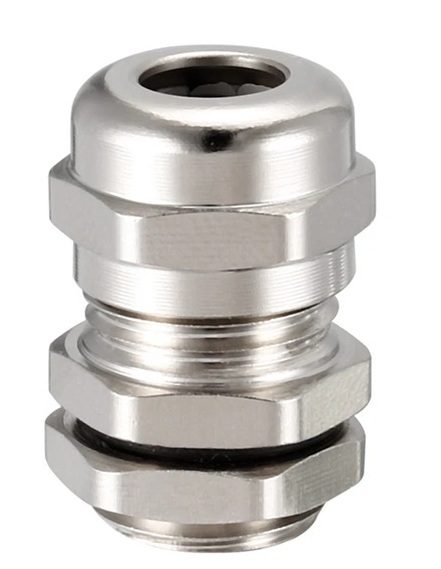
Metal Cable glandsare mounted on the top of the cells high assembly.
The Metal Cable glands are screwed tightly into the HDPE plastic with High pressure GAS Thread tape. This cable gland assembly provides a strong seal for the cell Electrodes on the top of the cell structure- see photos below.
Metal Cable glands (nickel) are resistant to heat and chemicals and provide an excellent mounting for the cell terminals.
Enclosure boxes have nut inserts, in the base of the boxes and securing bolts and thick metal straps to use to tie down the systems securely into the mounting box.
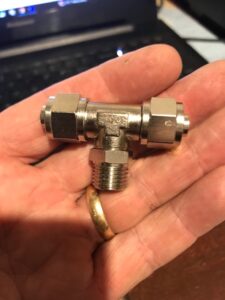
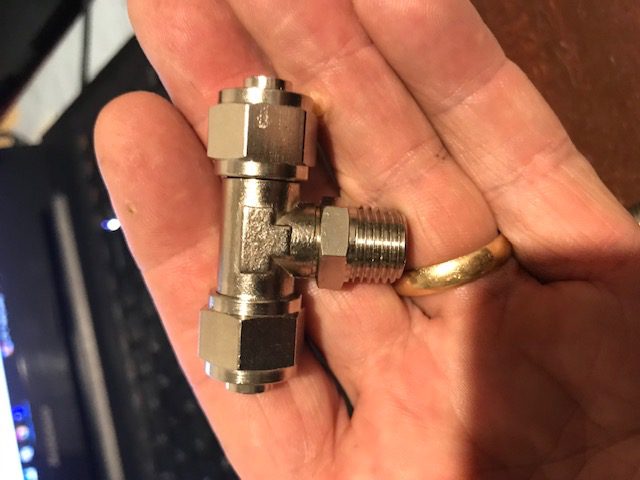
Metal / Hydraulic fittings
Pneumatic fittings T
Metal Hydraulic fittings are stronger and more secure in the transfer of the electrolyte between the cells and recycling tanks .
These fittings are corrosion resistant and a major improvement on the High Quality Legris Pushlock fittings , previously used
An ultra-neat arrangement – shock absorber, easy to handle , mount and lockup.
Gen 10 Hydrogen generator kit /nit in plastic box 41cm x 21 cm x 33 cm high 2018— 2.8LPM output at 12 colt and 30 amp – ideal for family vehicles and smaller work vehicles up to 4.5 litre engine capacity call gavan 0403177183
Generation 10 system in Plastic battery box 2023
Details Hydrogen Gen 10 systems.
The Plastic enclosure box measures 42 cm x 21 cm wide x 35 cm high (with alloy power supply diecast box).
Steel or Aluminum enclosure boxes are Lockable. 44 cm x 30 cm wide x 35 cm high with lid mounted power supply
Electrolysis cells we have fully welded all terminals and introduced the use of welded, silver metal cable glands onto the top of the cells . – save space, make the unit more rigid and compact and produced better electrical connections.
The cable used in these hydrogen generator systems is 8mm BandS twin core , double insulated cable.
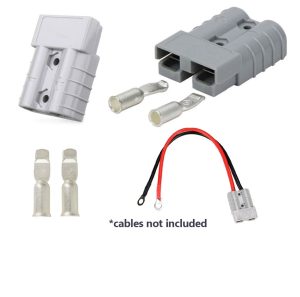
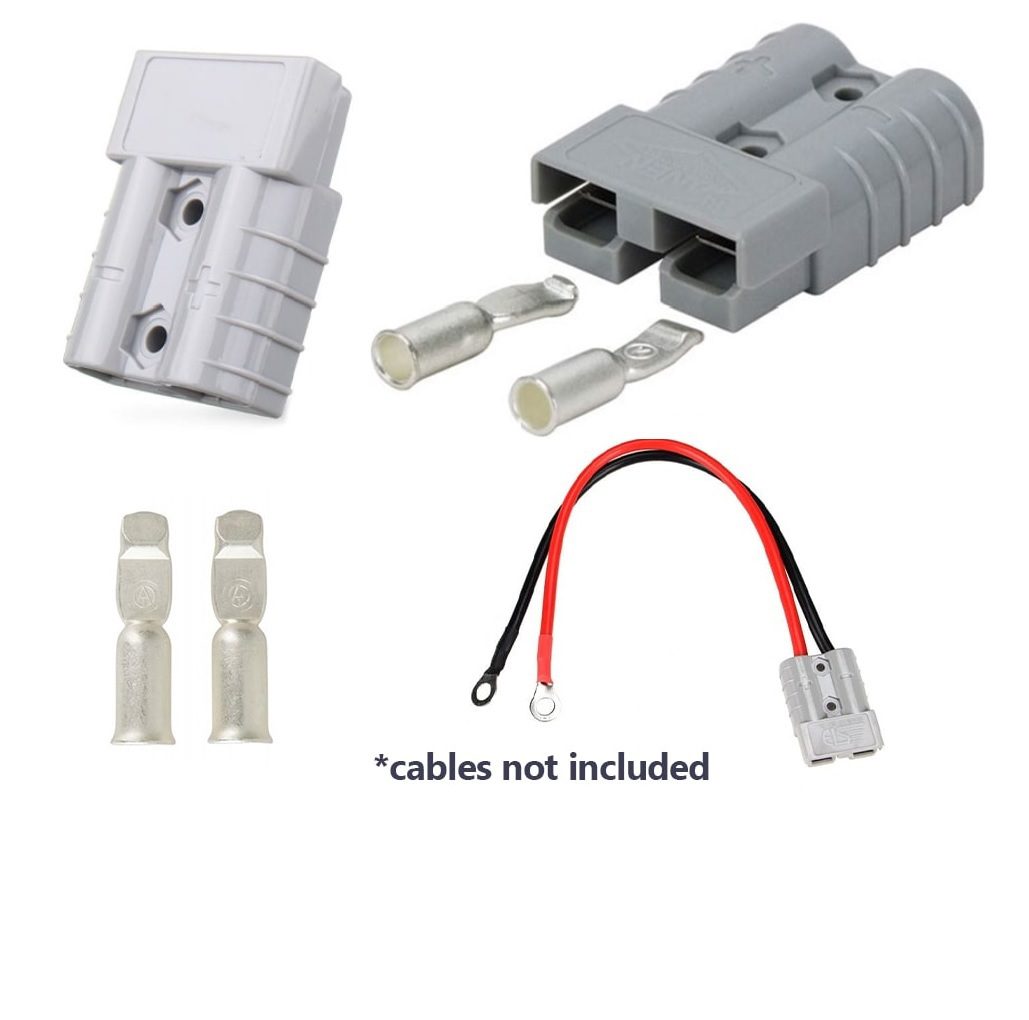
Other parts required 50 amp Anderson plugs, 30 amp Manual reset Circuit breaker, 60 amp Trucking Solenoid relay, manual 30 amp master circuit switch (to connect to relay), 10 inch Water bubbler unit