Brilliant Invention Gen 20 Hydrogen Generator July 2 2026
Brilliant Invention Gen 20 Hydrogen Generator ---(update Feb 7... Full Story
Perth, West Australia




by Gavan Knox MSc, BSc, BEd, Inventor
WhatsApp call +61 403177183
contact gavan@hfuel.com.au
https://hydrogenfuelsystems.com.au
HHO Output Testing That Proves Gas Production – Aug 30. A hydrogen generator that lights up is not automatically producing useful gas. The only way to know what your system is delivering is through disciplined HHO output testing – measuring production, checking electrical load and confirming the unit stays consistent once it is under real operating conditions.
For a daily driver, work ute, prime mover, boat or generator, this matters because a weak or unstable HHO system cannot deliver the combustion improvement you are fitting it for. Test the output properly before chasing tuning issues, changing parts or making assumptions about fuel savings.
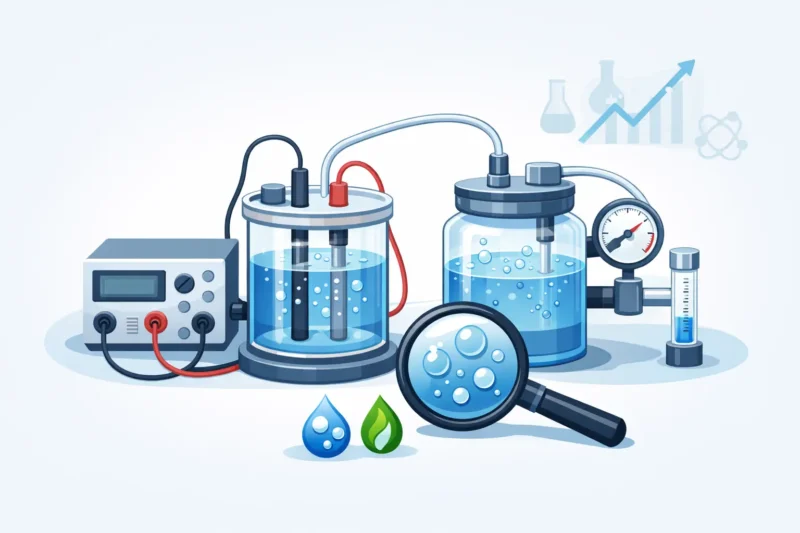
HHO output testing is not one single reading. A proper check combines gas production with the electrical and mechanical conditions that create it. You want to know how much gas the generator produces over a set time, what current it draws, what voltage reaches the cell and whether those figures remain stable as the system warms up.
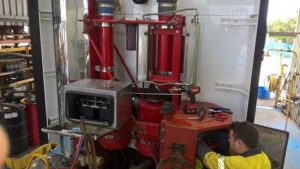

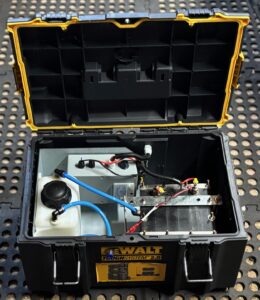
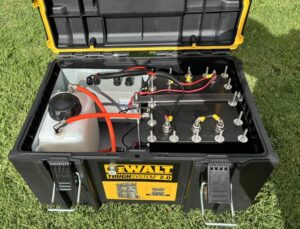
The gas-volume result is normally expressed in litres per minute. The electrical side is measured in amps and volts. Taken together, these figures tell you far more than bubbles in the reservoir ever will.
A system can bubble heavily but still be inefficient, drawing excessive current for modest gas production. Most systems commonly available , if not all that we have seen , are designed to be “neutral plate” systems which are great at boiling water. Water boiling is not generating hydrogen. Neutral plate systems typically have many many many electrodes, which share the applied voltage equally so that the applied voltage to each anode/ cathode combination is much lower than the minimum Redox Potential (voltage) to convert water into hydrogen/ oxygen. Another system may start strongly when cold, then lose output as electrolyte temperature rises, a connection heats up or a power supply drops voltage. That is why one quick visual inspection is not a test. Hydrogenfuelsystems generators are designed to used the correct voltage per cell , to generate Hydrogen gas and , with the use of the specialist anode material, reduce the wasted heat generated. Please note heat is generated in Hydrogenfuelsystems generators but only to increase the efficiency and output of the system design
For a meaningful baseline, record the same information every time: ambient conditions, water level, electrolyte mix, battery voltage before starting, voltagee at the cell, amperage and measured gas volume. Consistent records make faults obvious and help you compare performance after servicing.
Run the test with the generator installed as intended, using the correct wiring, relay, fuse protection and water level. If you test a cell with a temporary power source or undersized leads, the numbers may not represent what happens on the vehicle.
Start by checking the basics. Electrolyte level must be within the recommended range, fittings must be sealed, and hoses must not be kinked or contaminated. Inspect terminals for corrosion, loose crimps or heat damage. A small voltage loss at a poor connection can cut output and create unnecessary heat.
Next, measure voltage directly at the generator terminals while it is running. Do not rely only on the battery reading. The battery may show healthy voltage while resistance through wiring, connectors, a relay or a controller is starving the cell.
Then measure current with a suitable DC clamp meter or an inline meter rated for the circuit. Compare the reading to the expected operating range for the system size and configuration. More current is not automatically better. Excessive draw can mean the electrolyte concentration is too strong, the cell is running too hot, or there is an electrical fault. It can increase water use and place needless load on the charging system.
Finally, measure gas volume using a purpose-built, safe test arrangement. The method must allow the gas to be measured without storing it, pressurising it or creating an ignition risk. Never use flames, sparks, cigarettes or improvised containers around HHO gas. Hydrogen and oxygen mixed together are highly combustible.
Time the test over a fixed interval and convert the result to litres per minute. Repeat it at least three times once the unit has reached stable operating temperature. If the results vary widely, do not average the problem away. Find the cause.
A freshly filled generator often behaves differently from one that has been running for 15 or 20 minutes. As the electrolyte heats, electrical resistance and chemical activity change. Output can rise, flatten or fall depending on cell design, electrolyte strength, cooling, ambient temperature and electrical supply.
This is especially relevant in Australia. A system tested in a cool Perth morning may not behave identically on a hot day in the Pilbara, in stop-start Sydney traffic or under sustained load on a long regional run. The goal is not a single impressive number. The goal is repeatable output in the conditions where the engine earns its keep.
Test at cold start, after warm-up and, where practical, after a normal drive cycle. For commercial equipment and fleet vehicles, this gives you a useful service benchmark. If output drops months later, you have a record to compare against rather than relying on memory.
Low gas production is usually traceable to a small number of causes. The fastest way to diagnose it is to compare electrical readings and gas-volume readings together.
If amperage is low and voltage at the cell is also low, look first at wiring, fuse holders, relays, earth points, connectors and controller settings. Voltage drop is a common issue in installations where cables are too light for the load or terminals have not been tightened correctly.
If amperage is unusually high but gas output is poor, inspect electrolyte concentration, water quality, cell condition and operating temperature. Too much electrolyte can make the unit draw hard without producing efficient, stable output. Contaminated water can also alter performance and leave deposits where they do not belong.
If current and voltage look normal but measured output is down, check for leaks in hoses, fittings, the reservoir cap, bubbler assembly and test equipment. A leak can make a healthy cell look weak. Also inspect filters and moisture traps. Restrictions in the gas path can affect delivery to the intake and may distort your test result.
Use this quick fault guide when readings do not stack up:
Gas production is only the first half of the job. A generator can produce the expected volume, but the vehicle still needs correct installation and sensible engine assessment. Confirm the gas is reaching the intended intake point, hoses are secure and no vacuum leaks have been introduced.
For diesel and petrol engines, assess results over a meaningful operating period. Track fuel use against comparable work, routes, loads, idle time and driving style. A loaded truck running the same freight route gives better evidence than comparing one week of highway driving with a week of urban deliveries.
Where available, use diagnostic data to monitor engine operation, but do not chase a single dashboard figure. Fuel economy, exhaust behaviour, engine response and maintenance observations should be assessed as a complete picture. Engine condition, injector health, tyre pressures, load weight and driver behaviour all influence fuel use.
That does not weaken the value of HHO testing. It strengthens it. When generator output is verified first, you remove one major unknown before evaluating real-world engine results.
A new installation should be tested before handover, then checked again after the first period of operation. After that, include output checks whenever you service the system, replace water, notice a change in engine behaviour or carry out electrical work near the installation.
Keep a simple log with date, odometer or engine hours, water level, amps, voltage, gas output and any work completed. This is particularly useful for generators, marine engines and fleet vehicles where downtime costs money. A trend in the numbers can reveal a developing issue before it becomes a no-output failure.
Hydrogen Fuel Systems equipment is designed for practical engine applications, but no system should be treated as fit-and-forget. Good installation, correct maintenance and measured output are what turn an on-board hydrogen generator from a hopeful accessory into a working part of your operating-cost strategy.
The best test result is not the biggest number written on a workshop notepad. It is a safe, repeatable output figure that holds steady – giving you the confidence to assess fuel use and engine performance on real work, not guesswork.
by Gavan Knox MSc, BSc, BEd, Inventor
WhatsApp call +61 403177183
contact gavan@hfuel.com.au
https://hydrogenfuelsystems.com.au
Brilliant Invention Gen 20 Hydrogen Generator ---(update Feb 7... Full Story

by Gavan Knox HFS whats app +61 403177183 gavan@hfuel.com.au... Full Story
A diesel that works hard does not hide its... Full Story

Best Vehicles for HHO Upgrades in Australia - Oct... Full Story

Fuel Economy Methodology That Produces Real Numbers - oct... Full Story
Payment Methods Partner:

© 2023 - Hydrogenfuelsystems pty ltd