Brilliant Invention Gen 20 Hydrogen Generator July 2 2026
Brilliant Invention Gen 20 Hydrogen Generator ---(update Feb 7... Full Story
Perth, West Australia





by Gavan Knox MSc, BSc, BEd.
WhatsApp call +61 403177183
contact gavan@hfuel.com.au
https://hydrogenfuelsystems.com.au
Plenty of drivers ask the same blunt question before they spend a cent: is hho safe for engines? Fair question. If you run a ute, truck, 4WD, generator or marine engine, you are not chasing theory. You want lower fuel spend, better combustion and more usable torque – without cooking injectors, damaging pistons or creating electrical headaches.
The straight answer is this: a properly engineered HHO system is safe for engines when it is sized correctly, installed correctly and maintained correctly. Most of the fear around HHO comes from badly built units, poor wiring, no filtration, wrong electrolyte setup, or systems pushed beyond what the engine can handle. The risk is not the concept. The risk is poor hardware and poor installation.

Yes, in a properly designed setup, HHO is used as a combustion enhancer, not as a replacement fuel. That distinction matters. The gas is produced on demand in small volumes and introduced into the intake to help the existing diesel or petrol charge burn more completely. When combustion improves, the usual result is cleaner burn, less carbon build-up, better throttle response and the potential for reduced fuel consumption.
That is a very different scenario from flooding an engine with an uncontrolled gas source. A quality HHO system is built to meter production relative to application. A small passenger vehicle does not need the same output as a prime mover, genset or marine engine. If the system is matched to the engine size and duty cycle, the engine is not being stressed in the way sceptics often assume.
The real-world mechanical benefit is straightforward. Incomplete combustion leaves money and performance in the cylinder. Better combustion can reduce soot, lower visible smoke in diesel applications and limit some of the carbon contamination that contributes to long-term wear. That is why serious buyers look at test reports, current draw, gas output, installation method and proven applications – not hype.

Poor design. Poor installation. Poor expectations.
An HHO kit becomes a problem when corners are cut. If a unit has no proper bubbler protection, no reliable check valve setup, no clean power management, no current control and no application-specific sizing, then yes, you can create trouble. That trouble may show up as unstable operation, poor gas production, electrical overload, intake contamination or accelerated component wear caused by contamination rather than the HHO itself.
Another issue is the backyard approach. Some operators see a video, throw together a jar, some plates and random wiring, then blame HHO when the setup fails. That is not a serious automotive system. It is an experiment. Engines that cost real money to rebuild deserve hardware that was built for the job.
The third problem is overselling what the gas is meant to do. HHO is there to support combustion efficiency. It is not a licence to ignore injector condition, air filtration, turbo health, cooling system faults or overdue servicing. If the base engine is already struggling, an HHO system will not magically erase mechanical neglect.
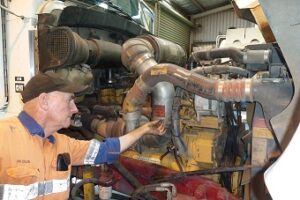
A proper kit is engineered around control and consistency. That starts with cell design and output matching, but it also includes filtration, flashback prevention, stable electrical supply and correct hose routing. Those are not optional extras. They are part of making the system safe and repeatable.
Water quality and electrolyte management matter as well. A clean system with proper reservoir control and filtration helps prevent contamination entering the intake. That is one of the biggest differences between a tested aftermarket system and a crude homemade setup. Good systems are designed to produce gas cleanly and feed it steadily, not dump moisture or residue where it should not be.
Installation also matters more than many buyers realise. Cable gauge, fuse protection, relay control, mounting position, airflow around components and vibration resistance all play a role in reliability. A truck covering serious kilometres across Australia has very different demands from a weekend 4WD. Safe performance comes from matching the hardware to the real job.
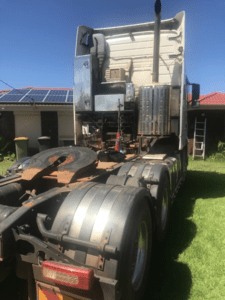
In principle, yes – but the application is different.
Diesel engines are often strong candidates because they benefit from cleaner combustion and reduced soot under load. Operators chasing lower fuel use, improved pulling performance and cleaner exhaust typically notice the value most when the vehicle works hard and consistently. That is why heavy users, fleets and owner-drivers tend to look closely at HHO enhancement. The more fuel you burn, the more every efficiency gain matters.
Petrol engines can also benefit, particularly where combustion efficiency and throttle response are the goal. But petrol applications need the same discipline in sizing and installation. More is not better. Correct output is better.
Engines with existing issues are where judgement is required. If an engine has major vacuum leaks, worn rings, injector problems, sensor faults or a cooling problem, those faults should be addressed first. HHO is not unsafe in that situation by default, but it should never be used to mask a deeper mechanical problem.
The question is not just whether HHO is safe for engines. The better question is whether the specific system you are considering is safe for your engine.
There is a difference between a patented, tested, application-based system and a generic one-size-fits-all kit. Buyers who focus only on price usually find that out the hard way. Cheap units can look similar in photos, but internally the difference in plate design, current control, protection components and build quality can be substantial.
That trade-off affects both safety and results. A lower-grade system may still produce gas, but if it does so inconsistently, draws unstable current or introduces excess moisture, the engine is not getting a controlled enhancement. It is getting guesswork. For a serious operator, guesswork is expensive.
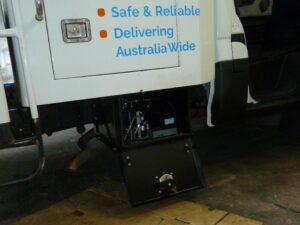
If you want the gains without the drama, ask practical questions.
First, is the kit sized to your engine and usage? A light-duty diesel in city traffic is one application. A towing 4WD, marine engine or generator under long load is another. Output needs to suit the job.
Second, what protection and control components are included? Proper systems should have the safeguards needed to keep operation stable and safe.
Third, is there real documentation behind the product? Installation instructions, test data, technical specs and application guidance matter because they show the system has been thought through.
Fourth, what condition is your engine already in? HHO works best on engines that are fundamentally sound and properly serviced. If your injectors are tired and your intake is half blocked with carbon, deal with that first.
This is where a supplier with proven documentation stands apart. Hydrogen Fuel Systems has built its name around tested, patented and application-specific systems rather than theory, and that matters when the question is engine safety rather than just sales talk.
If you are running high fuel bills, the attraction of HHO is obvious. The right system can help improve combustion, cut waste and support cleaner engine operation. For many operators, that means savings on fuel, better drivability and less carbon-related mess over time.
But safety is earned by engineering. A quality HHO kit fitted correctly is not inherently dangerous to an engine. In many cases, the opposite is the point – cleaner combustion can support a healthier running engine than one constantly dealing with incomplete burn and excess carbon.
If you are still asking whether HHO is safe for engines, keep the question sharp. Do not ask the internet in general. Ask whether the exact system, on the exact engine, with the exact installation method, has been designed to perform safely. That is where good decisions start, and where real savings usually follow.
Before you fit anything to a vehicle or machine that earns its keep, demand proof, demand proper sizing and demand hardware built for real work. Your engine will tell the difference.

Hydrogenfuelsystems Australia produce a number of Models of Hydrogen Generator systems that are used and Proven in the national and International market, with certification from professional international automotive test companies documenting the results from extensive testing schedules. These results certify the excellent fuel savings , improvement
call Gavan on +61 403177183 – on WhatsApp or 0403177183 to clarify any points in this Post.
Contact Gavan through email gavan@hfuel.com.au or gavan@hfuel.com.au or through this website HERE
Friday, July 3, 2026
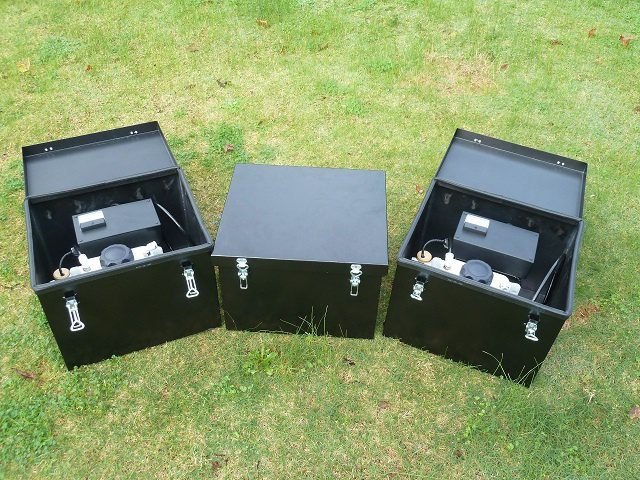
Brilliant Invention Gen 20 Hydrogen Generator ---(update Feb 7... Full Story

by Gavan Knox HFS whats app +61 403177183 gavan@hfuel.com.au... Full Story

Fuel Economy Methodology That Produces Real Numbers - oct... Full Story

Can HHO Improve Towing Economy? Facts That Matter -... Full Story
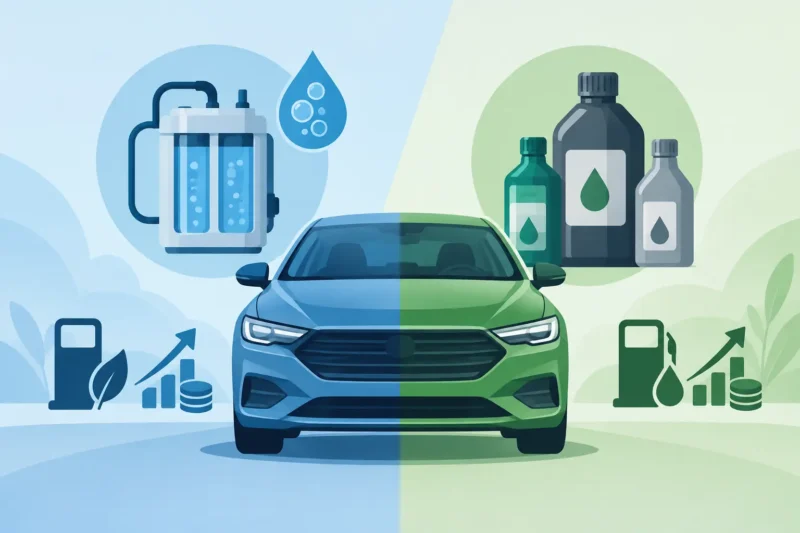
HHO Versus Additives: What Actually Pays Back? - Oct.... Full Story
Payment Methods Partner:

© 2023 - Hydrogenfuelsystems pty ltd