Brilliant Invention Gen 20 Hydrogen Generator July 2 2026
Brilliant Invention Gen 20 Hydrogen Generator ---(update Feb 7... Full Story
Perth, West Australia





hho – Clean Combustion Upgrades for Diesel That Pay – Aug 9
by Gavan Knox MSc, BSc, BEd.
WhatsApp call +61 403177183
contact [email protected]
https://hydrogenfuelsystems.com.au
Clean Combustion Upgrades for Diesel That Pay – Aug 9. A diesel that is using more fuel, pulling poorly or laying down excess soot is not simply ‘getting old’. It is telling you combustion quality has slipped. For owner-drivers, fleet operators, tradies and 4WD owners, clean combustion upgrades for diesel are about one thing first: getting more useful work from every litre in the tank.
That does not mean bolting on a miracle part and expecting every problem to disappear. It means fixing the foundations, choosing upgrades that suit the application, and measuring the result properly. Done well, improved combustion can reduce waste, sharpen response, lower visible smoke and help keep the engine cleaner over the long haul.

Diesel engines make power when injected fuel atomises, mixes with oxygen and burns at the right time. When that process is incomplete, some of the fuel leaves the cylinder as soot, deposits or heat rather than productive torque. You feel it as sluggish acceleration, rough running, black smoke under load and an engine that seems to work harder than it should.
On a high-kilometre ute, truck, generator or marine engine, small losses add up quickly. A vehicle travelling thousands of kilometres each month does not need a dramatic change in fuel use for the savings to matter. Better combustion may also reduce the rate at which carbon builds around intake components and combustion areas, although it will not reverse mechanical wear or repair a failed component.
The right starting point is to identify the duty cycle. A lightly used suburban diesel has different needs from a loaded highway truck, a mining support vehicle idling for hours, or a boat operating under sustained propeller load. Fuel use, idling time, payload, maintenance history and emissions equipment all shape which upgrade is worthwhile.
There is no value fitting performance hardware over a known fault. Before considering a combustion enhancement system, make sure the engine is mechanically sound and serviced to specification. Dirty air filters, restricted fuel filters, worn injectors, boost leaks and sensor faults can all compromise combustion and distort any fuel-saving result.
Check for intake and intercooler leaks, confirm the turbocharger is delivering expected boost, and inspect the fuel system for contamination or pressure issues. On common-rail engines, injector balance data can reveal a lot before parts are replaced. If the vehicle has an EGR system, diesel particulate filter or SCR equipment, fault codes and regeneration history matter just as much.
This is where disciplined baseline testing pays off. Record fuel purchases, kilometres, engine hours, loads, routes and idle time over a meaningful period. For machinery and generators, litres per operating hour is usually more useful than kilometres per litre. A single tank of fuel proves very little because wind, traffic, payload, driving style and fuel quality can move the numbers.
Clean combustion upgrades should be selected as a package of sensible improvements, not as a shopping list of shiny accessories. Some deliver a direct benefit only when the vehicle’s existing system is healthy; others are maintenance actions that restore performance already lost.
A clean, correctly sized air filter protects airflow without creating unnecessary restriction. Fresh fuel filtration protects expensive injection components and helps maintain spray quality. On turbo-diesels, a properly sealed intercooler and charge-air path are vital. Lost boost means less air in the cylinder, which can mean more smoke and weaker torque when the engine is loaded.
Injector servicing or replacement can be one of the most effective actions where testing confirms poor spray pattern, leakage or imbalance. It is not the cheapest option, so diagnose first. Throwing injectors at every rough-running diesel is just expensive guesswork.
A quality calibration can improve throttle response, torque delivery and efficiency in the operating range that matters to you. But more fuel is not automatically more performance. An aggressive tune that drives excessive exhaust gas temperature, smoke or drivetrain stress is not a clean-combustion upgrade. It is a short-term number with a long-term repair bill attached.
The calibration must suit the engine, transmission, towing weight and emissions equipment. For a working vehicle, usable mid-range torque and controlled temperatures are generally more valuable than a headline peak-power figure.
On-board hydrogen generator systems, often called HHO kits, are designed to introduce a controlled hydrogen and oxygen gas mixture into the engine intake. The objective is to support a faster, more complete burn of the diesel charge. In the right application, operators pursue improved fuel economy, smoother running, stronger response and reduced smoke under load.
System sizing matters. A small passenger diesel, a hard-working 4WD, a prime mover and a stationary generator do not have the same airflow, fuel use or operating pattern. That is why Hydrogen Fuel Systems offers different generator capacities rather than treating every engine as identical.
Installation quality is equally important. The system needs secure mounting, protected wiring, correct fuse protection, sound hose routing, a suitable water reservoir arrangement and components selected for the vehicle’s electrical system. Poor wiring or loose plumbing has no place under a bonnet, particularly on equipment that operates long hours in heat, dust and vibration.
Be clear about expectations. A hydrogen enhancement system is not a substitute for injector repair, turbocharger replacement or DPF diagnosis. Results vary with engine condition, driving pattern, load and installation. The right approach is to use documented system specifications, follow application-specific instructions and compare post-installation data against a solid baseline.
Modern diesels rely on their emissions equipment to operate as designed. Removing, bypassing or defeating pollution controls may breach Australian road rules and can create insurance, warranty and compliance issues. It can also mask the underlying fault rather than solve it.
If the DPF is frequently regenerating, investigate why. Excess soot production can come from intake leaks, injector issues, EGR faults, incorrect oil, short-trip use or sensor problems. A combustion-focused upgrade is most effective when the engine is already capable of managing its emissions system properly.
The sales pitch is easy. The proof is in repeatable operating data. Establish a baseline before installation, then run the same measures after installation across enough work to reduce random variation. For a fleet, compare similar vehicles on similar work where possible. For one vehicle, keep a log over several weeks or multiple fuel cycles.
Track these five measures:
Do not judge an upgrade only by a dashboard fuel-consumption display. Fill-to-fill records and operational logs provide a far stronger picture. If you tow one week, run empty the next and spend half a day idling at a site, account for it. Honest data protects your investment and tells you whether the system belongs across the rest of the fleet.
Start with the cost of the problem. If fuel consumption is high, calculate monthly litres and spend. If power is down, identify whether the cause is mechanical, electronic or airflow-related. If smoke is the concern, diagnose the fuel-air balance and emissions system before buying an add-on.
Then choose equipment with clear specifications, installation guidance and technical documentation. Ask whether it suits your engine size, electrical supply, intended duty cycle and available mounting space. A system designed for a lightly worked car may not be the right answer for a generator or a loaded commercial vehicle.
For businesses operating across Australia, consistency matters. A repeatable installation method, serviceable components and proper records make it easier to assess results vehicle by vehicle. That is far better than relying on a vague claim or one exceptional trip.
The diesel that earns its keep is not necessarily the one with the biggest advertised power number. It is the one that starts cleanly, pulls hard under load, uses fuel intelligently and gives you numbers worth acting on. Get the engine right, fit the upgrade that matches the work, and let the fuel log make the final call.
by Gavan Knox MSc, BSc, BEd.
WhatsApp call +61 403177183
contact [email protected]
https://hydrogenfuelsystems.com.au
Views: 6
Monday, August 10, 2026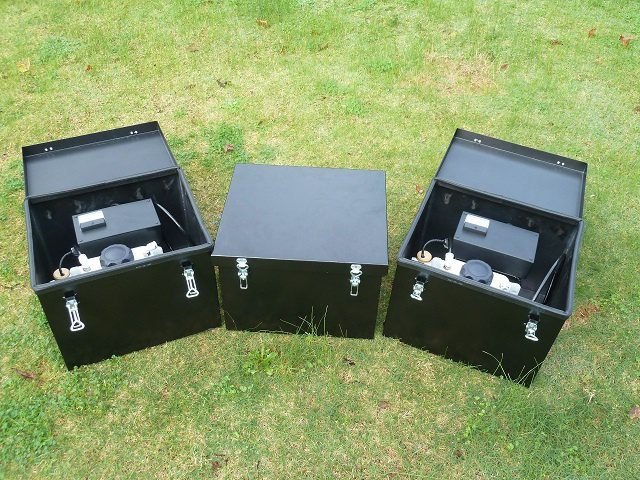
Brilliant Invention Gen 20 Hydrogen Generator ---(update Feb 7... Full Story

by Gavan Knox HFS whats app +61 403177183 [email protected]... Full Story
A hydrogen generator can only perform as consistently as... Full Story
How Iridium Alloy Electrodes Lift Hydrogen Output- Aug 19... Full Story

How Delivery Van HHO Savings Can Cut Fuel Costs-... Full Story
Payment Methods Partner:

© 2023 - Hydrogenfuelsystems pty ltd