Brilliant Invention Gen 20 Hydrogen Generator July 2 2026
Brilliant Invention Gen 20 Hydrogen Generator ---(update Feb 7... Full Story
Perth, West Australia




by Gavan Knox MSc, BSc, BEd, Inventor
WhatsApp call +61 403177183
contact gavan@hfuel.com.au
https://hydrogenfuelsystems.com.au
How Iridium Alloy Electrodes Lift Hydrogen OutputA hydrogen cell that draws more power but produces little extra gas is not doing your vehicle, generator or boat any favours. The question of how using iridium alloy electrodes increases hydrogen gas output comes down to one hard mechanical fact: better electrode surfaces can reduce the electrical resistance and reaction losses that hold an electrolyser back.
Spelt correctly, iridium is a precious metal with serious electrochemical capability. When it is used as part of a properly engineered alloy or surface coating, it can help an HHO cell run a more efficient oxygen-evolution reaction at the anode. That means more of the power supplied to the cell can be converted into hydrogen and oxygen gas, rather than being wasted as excess heat.
For drivers and operators chasing lower operating costs, the practical target is not simply a higher amp draw. It is stable, controlled gas production that supports better combustion without overheating the cell, overloading the alternator or chewing through components.
Electrolysis splits water into hydrogen and oxygen by passing direct current through an electrolyte. Hydrogen forms at the cathode and oxygen forms at the anode. In an on-board HHO system, the gas output rises primarily with current – but only when the cell can sustain that current efficiently and safely.
Every electrode material has a reaction barrier called overpotential. Put simply, the cell needs more voltage than the basic water-splitting reaction requires before gas production gathers pace. A high overpotential means more energy is lost at the electrode surface. The result is extra heat, less efficient gas generation and greater stress on the system.
Iridium-based materials are well known for their ability to support the oxygen-evolution side of electrolysis. If an iridium alloy electrode lowers anode overpotential, the cell may achieve a higher current at the same supply voltage. Higher stable current means a higher rate of hydrogen production.
There is an important distinction here. At a fixed current, Faraday’s law largely determines the amount of gas produced. An electrode does not magically create hydrogen from nowhere. Its value is that it can help the cell reach and maintain useful current with lower electrical losses, lower heat build-up and better long-term consistency.
That difference matters in a vehicle. A system that produces strong gas output only while boiling hot is poorly set up. A system that produces controlled gas output over a long drive, work shift or marine run is the one worth having.
An electrode may look like a simple metal plate, but its surface condition controls a large part of the reaction. Effective iridium alloy designs can offer a highly active surface with more usable reaction sites. This allows ions in the electrolyte to exchange charge more readily at the plate.
Hydrogenfuelsystems pty ltd have developed a PATENTED Alloy anode with Iridium that produces Hydrogen gas / oxygen gas output , many times greater than than simple electrodes made of Stainless steel , titanium, nickel co,mposite or any other available anode/ cathode combination.
These patented electrode combination is only available on the Hydrogen fuel systems Gen 10, Gen 15, Gen 15 and Now Gen 25 . Call Gavan on + 61 0403177183 or on WhatsApp +61 403177183 for more information on this patent discovery/ breakthrough
In practical terms, a quality electrode surface can help deliver:
The oxygen side of an HHO cell is particularly demanding. Oxygen evolution is slower and energetically harder than hydrogen evolution, so improvements at the anode can make a meaningful difference to the whole cell’s operating efficiency.
This is why the words alloy electrode are not enough on their own. The actual base metal, iridium content, coating method, surface finish, plate spacing and electrolyte all affect output. A cheaply coated plate that sheds its active layer will not deliver the same result as a properly manufactured electrode designed for the operating environment.
Many HHO buyers make the mistake of judging a cell by amp draw alone. More amps can produce more gas, but uncontrolled current also creates heat. As electrolyte temperature rises, resistance can drop, current can climb further and the cell can run away from its intended operating range.
That is when an apparent performance gain becomes a reliability problem. Excess temperature accelerates electrolyte degradation, increases evaporation, stresses seals and wiring, and can shorten electrode life. It can also place unnecessary demand on the alternator, particularly in vehicles already running lights, air-conditioning, accessories or towing loads.
An iridium alloy electrode may help reduce reaction losses, but it does not remove the need for proper electrical control. A well-built hydrogen generator system still needs correct cell sizing, cable sizing, fusing, relay control, electrolyte concentration and thermal management.
For example, a small passenger car does not need the same gas production as a loaded diesel ute, long-haul truck, 4WD, fishing vessel or stationary generator. Matching the generator size to engine capacity and workload is far more valuable than forcing maximum current through the wrong cell.
A new cell can look impressive in its first few hours. The real test is what it delivers after vibration, heat cycles, contaminants and extended service. Electrode degradation changes the surface chemistry, increases resistance and causes output to fall away.
Iridium is valued because it is highly resistant to oxidation under demanding electrochemical conditions. In the right alloy or coating system, that resistance can protect the active electrode surface and help preserve the cell’s performance over time.
For operators, this can mean fewer performance swings between maintenance checks. It may also reduce the risk of output becoming inconsistent as plates age. Consistency matters because an engine enhancement system should be tuned around repeatable gas delivery, not unpredictable peaks and drops.
However, iridium is expensive. That cost needs to be weighed against the application. For many conventional alkaline HHO cells, carefully prepared stainless steel electrodes remain a practical and cost-effective choice. An iridium-based design makes the strongest case where the manufacturer can show that its electrode chemistry, durability and output justify the premium.
Do not buy an electrode upgrade based on a metal name alone. Ask whether the iridium is a genuine alloy, a surface coating or simply a minor additive. Each construction behaves differently, and the thickness and bonding quality of any coating are critical.
You should also check whether the electrode is designed for alkaline electrolyte, what temperature range it is intended to handle and whether the supplier provides controlled output data. Useful test information compares gas volume, current draw, voltage, operating temperature and run time. A result without current and temperature data tells only half the story.
Plate spacing matters as much as material selection. Plates that are too far apart increase resistance. Plates that are too close can restrict electrolyte flow, trap bubbles and create uneven heating. Gas bubbles clinging to electrode surfaces also reduce the active area available for electrolysis, which is why cell geometry and circulation are part of the performance equation.
For an on-board installation, make sure the electrical system is equally capable. Use appropriate fusing and relay switching, secure earth points, sound cable connections and a properly sized power supply arrangement. Hydrogen gas production should begin only when the engine is operating, not when the vehicle is parked with the ignition on.
An advanced electrode cannot compensate for poor installation, weak wiring or an incorrectly sized generator. Gas output is the result of the complete system: electrode chemistry, plate area, cell configuration, electrolyte, temperature, electrical supply and the way the gas is introduced to the engine.
Hydrogen Fuel Systems focuses on matching HHO generator capacity to the engine and application, whether that is a commuter vehicle, diesel 4WD, truck, marine engine or generator. The goal is a controlled supply of supplementary HHO gas that supports cleaner, more complete combustion – not an oversized cell that creates unnecessary electrical and thermal load.
If you are comparing electrode options, look past the headline material. Ask what current the cell holds at normal operating temperature, how much gas it produces over time, and how the electrode surface is expected to perform after sustained use. That is where a worthwhile hydrogen system separates itself from a shiny plate with a big claim.
by Gavan Knox MSc, BSc, BEd.
WhatsApp call +61 403177183
contact gavan@hfuel.com.au
https://hydrogenfuelsystems.com.au
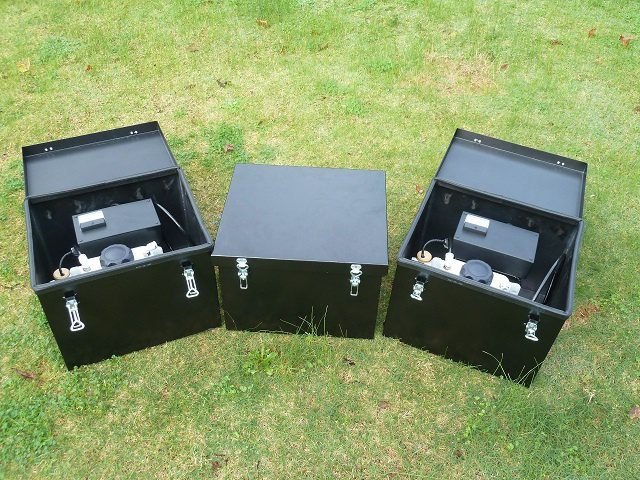
Brilliant Invention Gen 20 Hydrogen Generator ---(update Feb 7... Full Story

by Gavan Knox HFS whats app +61 403177183 gavan@hfuel.com.au... Full Story
A proper HHO generator comparison starts where fuel bills... Full Story
Hydrogen Cell Reviews for Real Engine Results - Oct... Full Story
Best Marine Fuel Upgrades for Working Boats - Oct... Full Story
Payment Methods Partner:

© 2023 - Hydrogenfuelsystems pty ltd