Brilliant Invention Gen 20 Hydrogen Generator July 2 2026
Brilliant Invention Gen 20 Hydrogen Generator ---(update Feb 7... Full Story


by Gavan Knox MSc, BSc, BEd, Inventor
WhatsApp call +61 403177183
contact gavan@hfuel.com.au
https://hydrogenfuelsystems.com.au
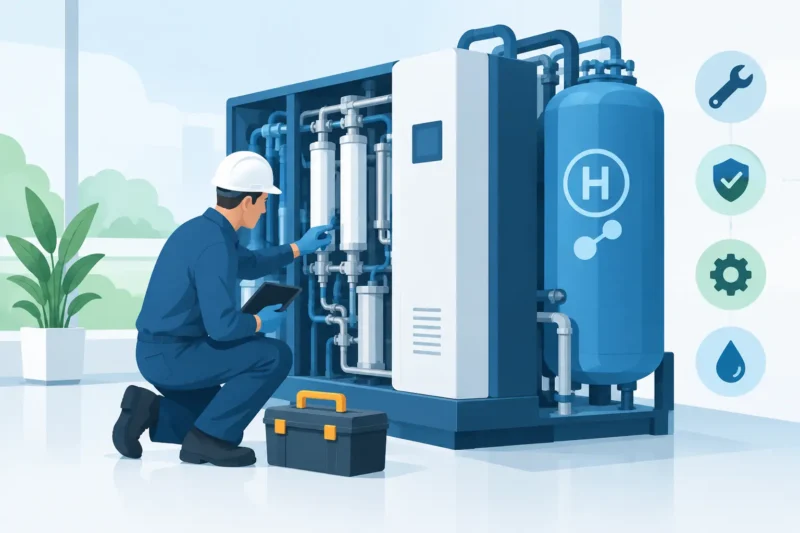
How to Maintain Hydrogen Generator Systems – NOV 22. A hydrogen generator kit earns its keep only when it is producing clean, consistent gas and the engine is receiving it without restriction. Knowing how to maintain hydrogen generator systems is not complicated, but ignoring the basics can cost you output, fuel-saving potential and component life. Whether the kit is fitted to a diesel ute, road train, marine engine, work vehicle or stationary generator, regular checks keep the system working as intended.
This is practical maintenance – not guesswork. A few minutes under the bonnet at the right intervals can identify a low electrolyte level, blocked filter, tired hose or loose terminal before it turns into an avoidable breakdown or a system that quietly stops delivering results.
Always inspect the generator with the engine off, the ignition isolated and the system cool. Hydrogen and oxygen gas must be treated with respect. Keep sparks, cigarettes, open flames and grinding work well away from the generator and hose connections. Work in a well-ventilated area, wear suitable eye protection and gloves, and follow the instructions supplied for your specific kit.
Do not assume every HHO system uses the same service procedure. Generator size, vehicle application, operating hours, climate and electrolyte type all affect maintenance intervals. A Gen 10 on a passenger car that covers suburban kilometres has different demands to a Gen 25 supporting a high-hour generator or heavy diesel application.
Before touching anything, look for the obvious signs of trouble: moisture around fittings, discoloured wiring, a damaged reservoir, loose mounting hardware, split hoses or an unusually low fluid level. These are not cosmetic faults. Vibration, heat and hard working conditions can turn a small issue into lost gas output or an electrical fault.
The electrolyte reservoir is the first item to check because the generator cannot perform consistently if its operating fluid is too low, contaminated or incorrectly mixed. Check the level against the marks on the reservoir only when the system is cool and parked on level ground. Do not overfill it. Expansion during operation needs room, and an overfilled reservoir can push liquid where gas should be flowing.
Use only the water and electrolyte specified by the kit manufacturer. For systems that call for distilled or demineralised water, use it. Tap water brings minerals and contaminants into the cell, which can affect conductivity, encourage deposits and shorten service life. Do not top up with whatever water is sitting in the shed.
Fluid appearance tells a story. Clear or normal-looking electrolyte is generally a good sign. Cloudiness, heavy sediment, unusual colour change or persistent foaming can indicate contamination, ageing fluid, incorrect concentration or a system issue that needs attention. Do not keep topping up a dirty reservoir in the hope it will sort itself out. Drain, clean and refill the system in line with the manufacturer’s procedure.
The right service interval depends on how hard the vehicle works. Check fluid level more often on fleet vehicles, machinery, marine engines and generators that run long hours. For a daily-driven vehicle, make it part of the same routine as checking engine oil, coolant and tyre condition. High ambient temperatures across Australian summers can increase the need for closer inspection.
Gas output is only useful if it reaches the intake cleanly and without leaks. Follow the line from the generator through the reservoir, safety components, filters and fittings to the engine intake. Check that every hose is secure, free from kinks and protected from rubbing against sharp metal, exhaust heat or moving parts.
A brittle hose, loose clamp or damaged fitting can reduce delivery and compromise system safety. Replace worn parts rather than trying to rescue them with tape, sealant or improvised fittings. This is an engineered gas system, not a place for shortcuts.
Pay close attention to the filter and any moisture-control or safety components fitted to your system. Their job is to help prevent electrolyte mist, contaminants and unwanted moisture from travelling into the intake. If a filter looks dirty, restricted or saturated, service or replace it according to the component schedule. A neglected filter can restrict flow and leave the engine receiving less benefit from the generator.
If you suspect a leak, do not test it with a flame. Isolate the system and inspect fittings using the approved method in your installation documentation. If the source is not immediately clear, have a qualified installer or technician assess it.
Hydrogen generation depends on stable electrical supply. A generator can look fine externally while underperforming because a terminal has loosened, a fuse holder has overheated or an earth connection has developed resistance.
At regular intervals, inspect battery connections, fuses, relays, wiring looms, earth points and generator terminals. Look for corrosion, heat damage, cracked insulation or wiring that has rubbed through on a bracket. Make sure cables are secured away from exhaust components, belts, fans and steering linkages.
Clean corrosion from approved electrical contact points, tighten connections to the kit specification and replace damaged cable or terminals. Do not simply fit a larger fuse if one has blown. A blown fuse is a warning that must be traced back to its cause, whether that is a short circuit, incorrect wiring, damaged component or excessive current draw.
If your kit includes a controller, indicator or monitoring system, confirm it is operating normally. An unexpected change in current draw, fluid temperature, gas production or dashboard indication deserves investigation. Catching these changes early protects the generator and helps maintain dependable operation.
A generator cell does not need to be opened and cleaned on a fixed calendar date if it is operating correctly. Service it based on operating hours, fluid condition, vehicle use and the manufacturer’s schedule. Premature or unnecessary disassembly creates opportunities for damaged seals, incorrect reassembly and leaks.
When a proper clean is due, isolate power first and follow the documented draining, flushing and refill procedure for the specific model. Clean components with materials and methods approved for the system. Harsh chemicals, abrasive tools and unapproved cleaners can damage plates, seals and plastic components.
After reassembly, inspect every seal and fitting before putting the vehicle back into service. Refill to the correct level, check the electrical connections, then monitor the system closely during its first operating period. A clean cell should support stable output – not create new faults.
The best maintenance schedule is one your operation will actually follow. Owner-drivers may check the system monthly and before a major trip. Fleets should add hydrogen generator inspections to scheduled servicing and record what was checked, topped up or replaced. Marine and generator operators should use engine hours rather than kilometres as the key trigger.
A simple service record makes fault-finding faster. Record fluid top-ups, electrolyte changes, filter replacements, electrical repairs and any changes in system behaviour. If fuel use or engine response changes, that history gives you a starting point instead of relying on memory.
For vehicles operating in dust, corrugations, extreme heat, coastal air or heavy-duty stop-start conditions, shorten inspection intervals. Australian conditions can be hard on wiring, mounts and hoses. A clean, secure installation will hold up far better than one left to vibrate, rub and collect grime.
Stop and seek qualified support if you find repeated fuse failures, excessive heat, persistent leaks, damaged cell housing, unexplained fluid loss or a major drop in performance. These are not issues to solve by increasing electrolyte concentration or bypassing safety components.
Hydrogen Fuel Systems kits are designed around application-specific components and documented installation requirements. Use the correct replacement parts for the system fitted to your vehicle or equipment. Mixing unknown fittings, filters or electrical parts into the setup may seem cheaper on the day, but can undermine reliability and safety.
A well-maintained generator is a working asset: clean fluid, sealed gas path, sound wiring and disciplined checks. Keep it that way, and your engine has the best chance to keep delivering the efficiency, response and lower operating costs you fitted the system for.
Friday, November 20, 2026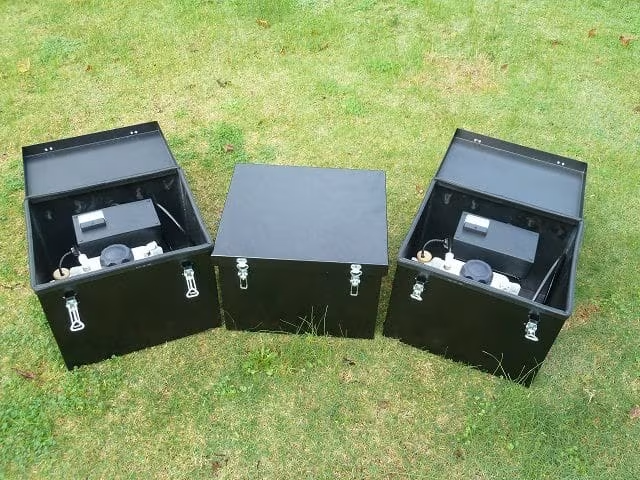
Brilliant Invention Gen 20 Hydrogen Generator ---(update Feb 7... Full Story

A boat engine does not get an easy life.... Full Story
How to Maintain Hydrogen Generator Systems - NOV 22... Full Story
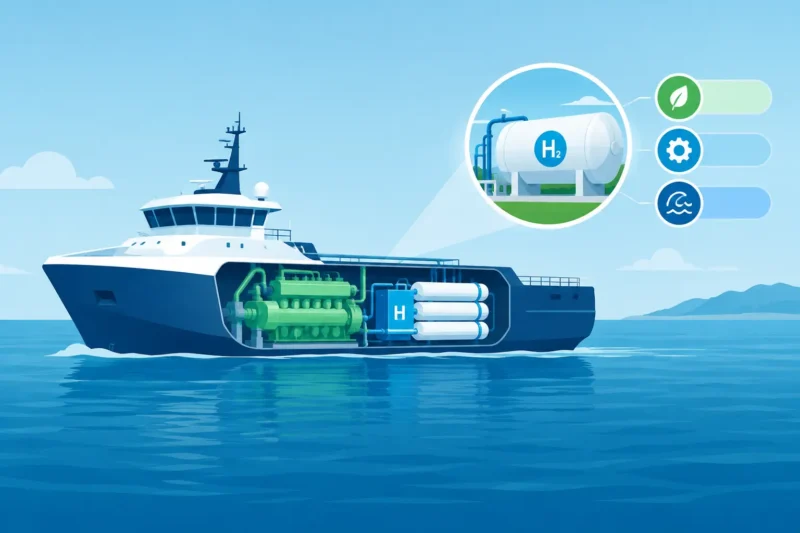
Marine Engine Hydrogen Case Study Results - Nov 21... Full Story
Payment Methods Partner:

© 2026 Hydrogen Fuel Systems Pty Ltd