Brilliant Invention Gen 20 Hydrogen Generator July 2 2026
Brilliant Invention Gen 20 Hydrogen Generator ---(update Feb 7... Full Story
Perth, West Australia




by Gavan Knox MSc, BSc, BEd, Inventor
WhatsApp call +61 403177183
contact gavan@hfuel.com.au
https://hydrogenfuelsystems.com.au
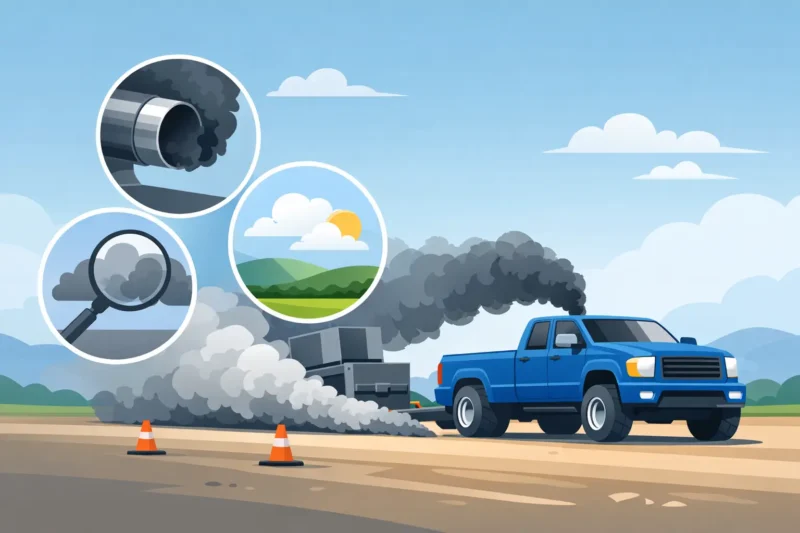
Diesel Exhaust Opacity Guide for Cleaner Pulling – Aug 25. A diesel that leaves a thick black cloud when it pulls away is not just making a bad impression. It is throwing usable fuel out the exhaust. This diesel exhaust opacity guide explains what that smoke means, how opacity is measured, and where to look when a work ute, truck, 4WD, generator or marine engine starts failing the visual test.
Opacity is a practical indicator of combustion quality. The darker and denser the exhaust plume, the more light it blocks. High opacity usually means the engine has more fuel than available air, incomplete combustion, poor atomisation, or a fault in the emissions and induction systems. The job is not to hide smoke. The job is to fix the condition creating it.

Diesel opacity is the percentage of light blocked by exhaust gas as it passes through an opacity meter. A clear exhaust has low opacity. A heavy black plume has high opacity because it contains a larger concentration of soot particles.
This differs from a general emissions reading. Opacity testing focuses on visible particulate smoke rather than measuring every exhaust gas component. That makes it especially useful for finding a diesel that is over-fuelling, starved of boost, restricted on the intake side or operating with a dirty emissions system.
For operators, the commercial point is straightforward. Excess soot is a sign that fuel is not being converted into useful work as efficiently as it should be. On a high-use fleet vehicle, earthmoving machine or generator, that can mean more fuel burn, lower pulling power and a higher risk of expensive component damage.

Black smoke is the classic opacity problem. It points to excess fuel, insufficient air, or both. It may appear under hard acceleration, towing, climbing hills or when the engine is loaded. A brief puff on an older diesel can occur, but sustained black smoke is a fault signal, not a normal feature.
Blue-grey smoke is generally oil burning. Worn turbo seals, valve stem seals, piston rings or an overfilled crankcase can all be involved. Blue smoke can affect opacity, but the repair path is different from a straight over-fuelling issue.
White smoke can mean unburnt fuel, coolant entering the cylinders, poor compression, injector faults or cold combustion. A little white vapour on a cold morning may be condensation. Persistent white smoke, especially with coolant loss or a rough-running engine, needs immediate attention.
The key is to assess the smoke alongside engine behaviour. Is power down? Has fuel use climbed? Does the issue only occur on boost? Is there a fault code? Is the engine using oil? A proper diagnosis beats replacing parts on guesswork.
A blocked air filter is cheap to inspect and can quickly choke an engine under load. Check the filter element, airbox, intake snorkel and ducting for debris, collapsed hoses or restrictions. On machinery working around dust, this should be routine maintenance rather than a response to failure.
Turbocharger and intercooler faults are equally common. A split boost hose, loose clamp or cracked intercooler lets pressurised air escape before it reaches the inlet. The fuel system may still deliver fuel for the expected boost level, leaving the engine rich and smoky. Listen for hissing under load, inspect hoses for oil staining and check actual boost data where available.
Variable-geometry turbo mechanisms can also stick with soot, while worn turbochargers may fail to deliver target boost. Do not assume the turbo is finished without testing. Confirm boost pressure, actuator movement and leak integrity first.

Injectors must deliver fuel in the right quantity, at the right time and with the correct spray pattern. Worn, contaminated or leaking injectors can dribble fuel instead of atomising it properly. The result is poor combustion, roughness, hard starting, diesel knock and heavy smoke.
Modern common-rail diesels need proper scan-tool diagnosis before parts are ordered. Check fault codes, injector correction values, rail pressure and commanded versus actual boost. On older mechanical systems, pump timing, injector condition and governor settings deserve close attention.
Poor-quality fuel or water contamination can trigger a chain of costly problems. Drain water traps, replace clogged fuel filters and use clean fuel storage practices. A fuel filter that is overdue may restrict supply, but changing it will not cure an injector with poor spray quality.
Exhaust gas recirculation systems reduce combustion temperature and emissions under controlled conditions. When an EGR valve sticks open, it can displace too much fresh air with exhaust gas and cause sluggish response, smoke and reduced power. Carbon buildup in the intake manifold can compound the problem.
A diesel particulate filter, or DPF, is designed to trap soot. If it cannot regenerate correctly, back-pressure rises and engine performance may suffer. Frequent short trips, interrupted regenerations, incorrect oil, faulty sensors and unresolved injector or boost faults can all contribute.
Deleting or tampering with emissions equipment is not a repair strategy. It can create legal, warranty, inspection and reliability problems. Find the cause of the soot load and repair the system properly.
A workshop typically brings the engine to operating temperature, checks basic condition and uses an opacity meter in the tailpipe during specified acceleration runs. The meter samples the exhaust and records how much light is absorbed by the smoke.
The exact procedure and acceptable limits depend on the test method, vehicle category, model year and applicable state or territory requirements. A truck operating across Australia should not rely on a vague rule remembered from years ago. Confirm the current requirements for the vehicle and its operating area before a scheduled inspection.
Before testing, make sure the engine is fully warm and the basic maintenance items are right. A cold engine, blocked filter, old fuel filter, loose intake pipe or active fault code can produce an avoidable fail. If a vehicle has been idling around a depot for long periods, a sustained road run at proper operating temperature may also help it complete normal regeneration conditions, provided no underlying fault is present.
Start with the low-cost, high-probability checks, then move to measured diagnosis. This approach prevents expensive parts swapping and gets equipment back to work faster.
First, inspect the air filter, intake plumbing, intercooler connections and exhaust for obvious damage. Next, scan for fault codes and review live data, particularly boost, airflow, EGR position, rail pressure and DPF differential pressure where fitted. Then check fuel quality, service history and filter condition.
If the basics do not identify the fault, test the system under load. A diesel can look fine at idle and fail badly when a trailer, hill or machine load demands full air and fuel delivery. Boost leak testing, injector testing, compression testing and DPF assessment should be based on evidence from that initial inspection.
Avoid winding up fuelling to chase power on an engine with unresolved smoke. More fuel without the matching air, timing and exhaust capacity simply increases soot and exhaust gas temperature. Real performance comes from controlled combustion, not a bigger black cloud.

A clean-running diesel should still pull hard. The goal is not to detune a vehicle until it feels flat. The goal is to get the combustion event back under control so the fuel being injected produces torque rather than soot.
Keep service intervals realistic for the operating environment. A ute used on sealed suburban roads has different air filtration demands from a 4WD running corrugated tracks, a truck on quarry access roads or a generator operating beside dusty works. Inspect filters and intake components based on conditions, not just the number printed on a calendar.
Use the correct engine oil specification, especially for DPF-equipped diesels. Maintain cooling systems, because an engine that cannot control temperature cannot maintain consistent combustion under load. Address warning lights early. A small sensor or hose issue can become a turbo, DPF or injector bill when ignored.
For operators seeking better combustion efficiency, aftermarket hydrogen enhancement systems may be considered as part of a broader maintenance and performance plan. They are not a substitute for repairing failed injectors, boost leaks or blocked filters. The engine must be mechanically sound first, and any claimed fuel or emissions result should be verified on the specific vehicle, load cycle and operating conditions.
Stop treating the vehicle as business-as-usual if smoke arrives with loss of power, rising coolant temperature, excessive oil consumption, turbo noise, a flashing warning light or a sudden change in fuel use. These symptoms can point to a fault that will worsen quickly under load.
For fleet managers, record opacity test outcomes alongside fuel consumption, kilometres, load type and maintenance actions. One smoke test is useful. A trend across several vehicles is far more valuable because it identifies which units are burning more fuel, loading DPFs faster or developing repeat faults.
A clean exhaust is not merely about passing an inspection. It is visible proof that the engine is getting air, fuel, timing and emissions control right. Fix the cause, test the result under real load, and keep the machine earning rather than smoking its profit away.
by Gavan Knox MSc, BSc, BEd, Inventor
WhatsApp call +61 403177183
contact gavan@hfuel.com.au
https://hydrogenfuelsystems.com.au
Brilliant Invention Gen 20 Hydrogen Generator ---(update Feb 7... Full Story

by Gavan Knox HFS whats app +61 403177183 gavan@hfuel.com.au... Full Story

Best Vehicles for HHO Upgrades in Australia - Oct... Full Story

Fuel Economy Methodology That Produces Real Numbers - oct... Full Story

Can HHO Improve Towing Economy? Facts That Matter -... Full Story
Payment Methods Partner:

© 2023 - Hydrogenfuelsystems pty ltd