Brilliant Invention Gen 20 Hydrogen Generator July 2 2026
Brilliant Invention Gen 20 Hydrogen Generator ---(update Feb 7... Full Story



by Gavan Knox MSc, BSc, BEd, Inventor
WhatsApp call +61 403177183
contact gavan@hfuel.com.au
https://hydrogenfuelsystems.com.au
Can HHO Improve Towing Economy? Facts That Matter – oct 12. A loaded caravan on the back, a headwind across the Nullarbor, and a long grade ahead will expose every weakness in a tow vehicle. This is where drivers ask the real question: can HHO improve towing economy when the engine is working hard, not merely cruising empty down the highway?


The short answer is that it can improve results on some vehicles, but towing savings depend on the engine, load, driving conditions and installation quality. An HHO system is not a magic fuel source and it does not remove the basic cost of moving several tonnes down the road. What it can do is introduce hydrogen and oxygen gas into the intake charge to support a faster, more complete combustion event. For a diesel or petrol engine that spends serious time under load, that combustion improvement can translate into lower fuel use, cleaner exhaust behaviour and a sharper response at the pedal.
For owner-drivers, tradies, fleet operators and 4WD owners, the only number that matters is the cost per trip. That is why towing is one of the most practical places to assess hydrogen enhancement properly.
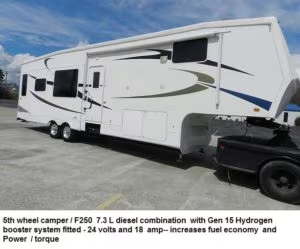



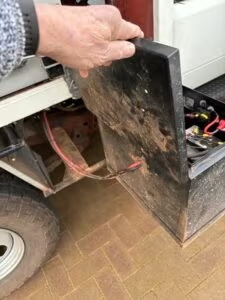
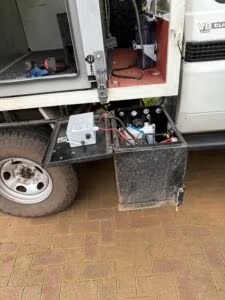

Towing increases aerodynamic drag, rolling resistance and engine load. A vehicle that returns respectable consumption figures unladen can quickly burn far more fuel once a tandem caravan, horse float, work trailer or machinery trailer is attached. The engine needs more torque to maintain speed, especially on climbs and into wind.
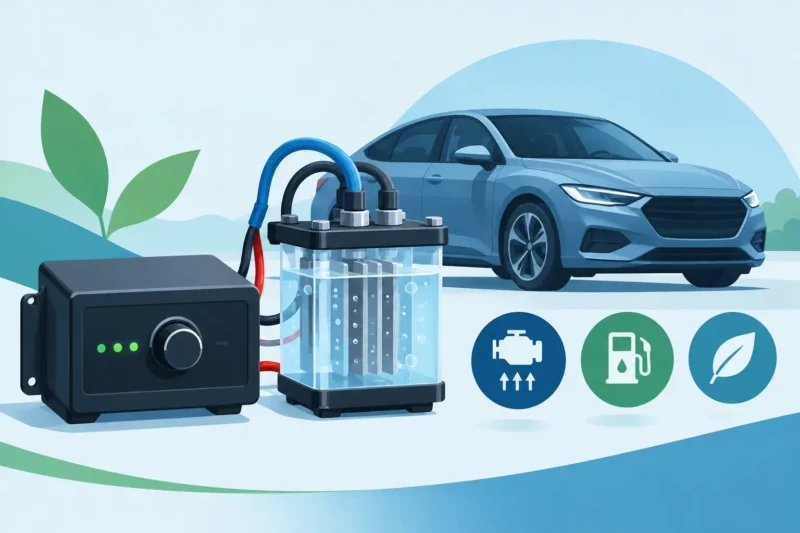
An on-board HHO generator uses electrical power to produce a controlled amount of hydrogen and oxygen gas. The gas is fed into the engine intake, where it mixes with the incoming air charge. Hydrogen has a fast flame speed, which can help the main fuel charge burn more efficiently. In practical terms, the engine may produce its torque more cleanly and with less wasted fuel in the exhaust.
That does not mean an HHO kit creates free energy. The alternator must supply power to the generator, and that creates a parasitic load. Any fuel-saving benefit must be greater than the extra engine effort required to generate the gas. This is exactly why component quality, correct system sizing and a sound electrical installation matter. A badly matched unit, weak wiring or poor gas delivery can erase the benefit before the tow vehicle leaves the driveway.

When the system is correctly selected and installed, towing conditions can make combustion improvements easier to notice. The engine is operating at a meaningful load for sustained periods rather than cycling between light throttle and idle in suburban traffic. Many users report that their vehicle holds speed more willingly on hills, needs fewer downshifts and feels less strained with a loaded trailer. Those changes can support a fuel economy improvement, but they must be measured rather than assumed.
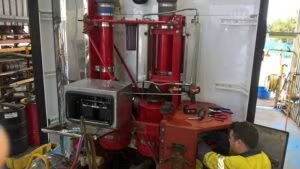
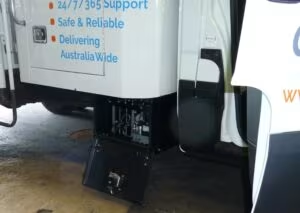
A vehicle’s dashboard fuel display is useful for a quick indication, but it is not proof of towing savings. Terrain, wind direction, tyre pressure, payload, trailer height and driving speed can each change consumption dramatically. Even two runs over the same route can produce different figures.
A tall caravan at 100 km/h may demand significantly more fuel than the same caravan at 90 km/h. Likewise, a ute with oversized tyres, a roof rack, underinflated trailer tyres and a heavily loaded tray is already carrying several fuel economy penalties before any HHO system is considered.
HHO tends to make most sense where the vehicle does regular, repeatable work. Think a diesel LandCruiser hauling tools and equipment, a transport vehicle running the same regional route, a boat operating at a consistent cruise speed, or a generator working through long shifts. Repeated duty cycles make it far easier to establish a trustworthy before-and-after comparison.
Hydrogen enhancement will not repair an engine with mechanical faults. If injectors are worn, filters are blocked, boost hoses leak, the EGR system is malfunctioning or the turbo is underperforming, those issues need attention first. A towing vehicle should already be serviced, correctly tuned and capable of handling its rated load.
Start with the basics: clean air and fuel filters, correct oil, healthy batteries, sound electrical connections, proper cooling performance and tyre pressures suitable for the actual vehicle and trailer weight. This gives an HHO system the best chance to deliver a measurable result instead of masking an underlying problem.
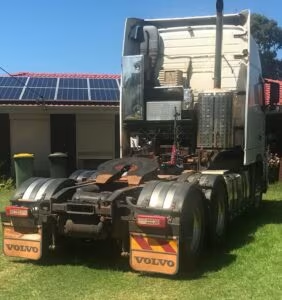



Diesel tow vehicles are a common application because they operate with excess air and are often worked hard at low-to-mid engine speeds. Better combustion quality may assist torque delivery and reduce the amount of throttle required to maintain momentum under load.
Petrol engines can also benefit, particularly where towing causes frequent high-load operation. However, modern engine management systems may adapt fuelling and ignition behaviour over time. Results can vary more widely between naturally aspirated, turbocharged and direct-injection petrol engines. The right kit and setup should suit the engine rather than relying on a one-size-fits-all approach.
A proper test does not need a laboratory, but it does need discipline. Record at least three comparable towing trips before installation, then repeat the process after the system has been installed and had time to settle in.
Use the same tow vehicle, trailer, load, route and driver wherever possible. Fill at the same servo, ideally using the same pump and fuel grade. Fill to a consistent level, reset the trip meter and calculate litres used per 100 kilometres from the actual fuel purchased. Do not rely only on the vehicle’s estimated economy display.
For a useful towing record, note the total distance, litres filled, average speed, outside temperature, wind conditions and any major traffic delays. Also write down how the vehicle behaved: gear changes on known hills, exhaust gas temperatures if monitored, throttle position feel and whether the engine held speed without extra effort.
A single trip is not enough. Fuel consumption can swing noticeably because of a strong headwind or a different fuel fill level. Averages from several runs provide a far more realistic picture. Fleet operators can go further by tracking litres per route, cost per kilometre, idle time and maintenance observations over several weeks.
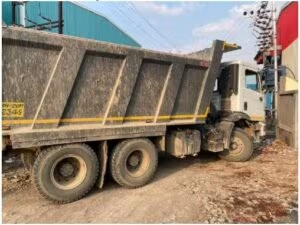
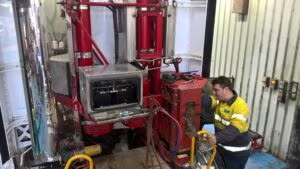
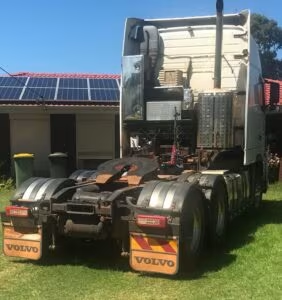

System sizing matters. A small passenger car, a turbo-diesel ute towing a work trailer, and a large-capacity 4WD hauling a caravan do not have the same intake volume or operating demand. The generator output, power supply, wiring protection, water supply arrangement and gas delivery all need to be selected for the application.
Installation should be neat, protected and mechanically sensible. Components must be mounted away from extreme heat and vibration, hoses must be secured, electrical circuits need correct fusing, and the gas path must include appropriate safety components. A tow rig often sees corrugations, dust, water crossings and long hot days, so shortcuts are not an option.
Hydrogen Fuel Systems offers different generator capacities for cars, trucks, 4WDs, marine engines and generators, allowing the system to be matched to the engine rather than guessed at. For a vehicle that tows regularly, application-specific guidance is worth more than a cheap universal kit with vague instructions.
The potential upside is clear: reduced fuel use, better combustion efficiency, improved drivability and potentially lower exhaust emissions. But the result is never independent of how the vehicle is used.
If you tow only twice a year, the payback period may be slower than for an owner-driver covering thousands of loaded kilometres each month. If your route is mostly flat highway with a light trailer, the change may be less noticeable than on steep regional roads with a heavy caravan. And if your driving style changes after installation, such as travelling faster because the vehicle feels stronger, any fuel saving can disappear.
Check warranty, insurance and roadworthiness requirements before modifying any vehicle. Keep the installation documentation, maintain the system as instructed and make decisions based on recorded fuel data rather than exaggerated claims from forums or pub talk.
For serious towing, the best question is not whether a kit can transform physics. It is whether a correctly matched HHO system can help your particular engine burn its fuel more effectively across the kilometres you actually drive. Put a proper test plan in place, keep the load and route consistent, and let the fuel receipts tell you whether the improvement is earning its place on your tow rig.
by Gavan Knox MSc, BSc, BEd, Inventor
WhatsApp call +61 403177183
contact gavan@hfuel.com.au
https://hydrogenfuelsystems.com.au
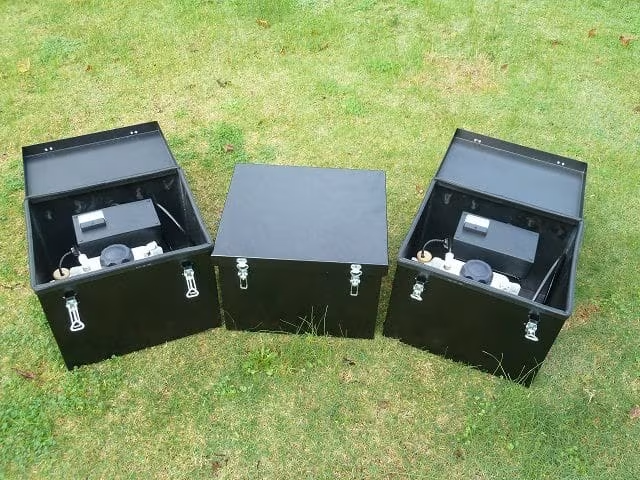
Brilliant Invention Gen 20 Hydrogen Generator ---(update Feb 7... Full Story
A Towing Economy HHO Example That Pays Its Way... Full Story
Diesel Truck HHO Case Study That Measures Results -... Full Story
HHO Controller Review for Better Engine Results - Nov... Full Story
Payment Methods Partner:

© 2026 Hydrogen Fuel Systems Pty Ltd