Brilliant Invention Gen 20 Hydrogen Generator July 2 2026
Brilliant Invention Gen 20 Hydrogen Generator ---(update Feb 7... Full Story
Perth, West Australia




by Gavan Knox MSc, BSc, BEd, Inventor
WhatsApp call +61 403177183
contact gavan@hfuel.com.au
https://hydrogenfuelsystems.com.au
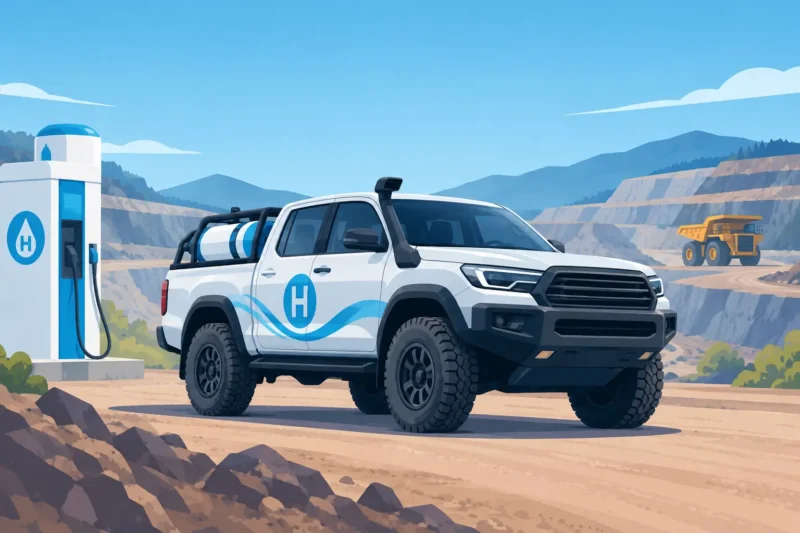
4WD Hydrogen Results for Hard-Working Rigs – Oct 9. A loaded 4WD running long highway kilometres, towing a caravan or working off-road gives you nowhere to hide fuel consumption. That is why 4WD hydrogen results need to be judged by the figures that matter: litres per 100 km, pulling response, exhaust quality and the condition of the engine over time. A hydrogen enhancement system is not a magic switch. Installed, set up and measured properly, it is a practical combustion-efficiency tool for drivers who want to get more work from every tank.
The right result is not a story about one unusually good tank of fuel. It is a repeatable improvement over comparable driving conditions. For a touring wagon, ute or hard-working diesel, that means recording fuel use across enough kilometres to account for wind, traffic, terrain, payload and towing.
Owners commonly start paying attention to the way the vehicle feels before they calculate the savings. A cleaner, more complete burn can improve throttle response and low-range tractability. That matters when a loaded rig is climbing, towing, pushing through sand or carrying tools all week. The useful question is not whether the engine suddenly feels like a race motor. It is whether it does the same job with less throttle input and less fuel burned.
Fuel savings are the major commercial driver, particularly for vehicles covering serious annual kilometres. But the result depends on the vehicle, engine condition, driving pattern and installation quality. A 4WD doing short stop-start school runs will not produce the same data as a diesel travelling regional highways under steady load. Nor should it.

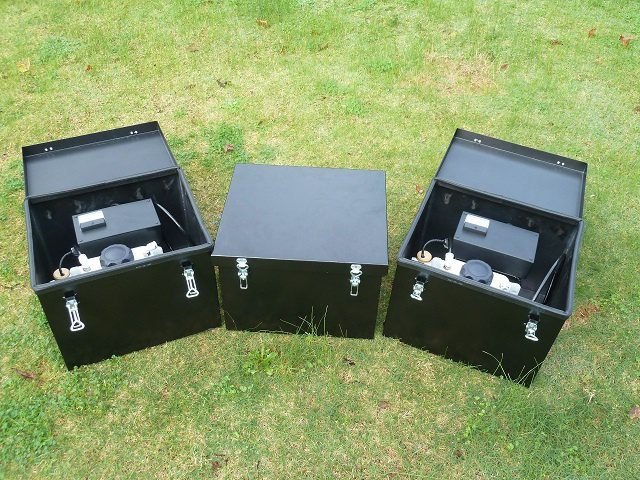
An on-board hydrogen generator produces a controlled hydrogen and oxygen gas supply from water and electrical power. The gas is introduced into the engine intake to support the combustion event. The objective is to help the existing fuel charge burn more completely and consistently.
For a diesel 4WD, this can mean less unburnt fuel leaving the cylinder, cleaner combustion characteristics and a more responsive engine under load. Petrol engines can also benefit, although the tuning approach and expected outcome will differ. The system must suit the engine size and application. A small passenger-car setup is not the right answer for a heavily loaded LandCruiser, Patrol, Ranger, D-Max or work ute.
That is why Hydrogen Fuel Systems supplies different generator capacities, including Gen 10, Gen 15, Gen 20 and Gen 25 configurations. System sizing is not sales theatre. It affects gas production, electrical demand, mounting requirements and whether the installation is appropriate for the job the vehicle actually does.
The most reliable 4WD hydrogen results come from a disciplined before-and-after test. Fill at the same bowser where possible, park the vehicle in a similar position and fill to the same point. Record odometer kilometres, litres added, driving route, load, tyre pressures and whether you were towing.
Do this for several tanks before installation. Then repeat the same process after installation and after the system has been checked for correct operation. One tank is an observation. Multiple comparable tanks are evidence.
Do not compare an unloaded highway run in cool weather against a post-installation trip towing a camper through the hills, then call the difference a system result. The reverse is also true. If a post-installation tank includes more low-range work, idling or headwinds, it may understate the improvement. Good data protects the buyer as much as it supports the product.
A practical record should include litres per 100 km rather than relying on a dashboard range estimate. Factory trip computers can be useful, but fuel invoices and kilometres travelled are harder to argue with. Fleet operators should track a vehicle over its normal work cycle and compare it with its own historical average, not with a different vehicle driven by a different operator.
Four-wheel drives vary wildly in use. A mine-site support wagon, a suburban dual-cab, a remote touring vehicle and a boat-towing wagon may share an engine family but face completely different loads. The biggest factors affecting results are:
If the engine has a blocked air filter, worn injectors, boost leaks or a fault code, fix those problems first. Hydrogen enhancement is designed to support efficient combustion. It is not a substitute for basic mechanical maintenance.
A 4WD is not a showroom passenger car. Under-bonnet heat, vibration, water crossings, corrugations and accessory wiring all make installation standards critical. The generator, reservoir, electrical components, hoses and fittings need to be mounted securely, protected from heat and routed sensibly. A rushed fitment can create unreliable operation and poor results, even if the core equipment is correctly specified.
Electrical supply is particularly important. The system needs fused, switched power and sound earth connections. Poor wiring can reduce output, create voltage drop or cause nuisance faults. On modern vehicles, installers also need to respect sensitive electronics, factory wiring paths and available mounting locations.
For serious touring or commercial use, choose components that are designed for the environment rather than improvising with light-duty fittings. Check fluid levels as part of normal vehicle inspections. Keep filters and service items maintained. The same owner who checks coolant, engine oil and tyre pressures before a long trip should know the condition of their hydrogen system.
Many buyers ask whether they will get more power or better economy. The practical answer is that they are linked, but the balance depends on how the driver uses the vehicle. If combustion efficiency improves, the driver may use the extra response to accelerate harder or tow more confidently. That can feel like a performance gain without delivering the maximum possible fuel saving.
Alternatively, a driver can hold the same speed with less throttle and focus on kilometres per tank. Fleet and business owners usually favour this approach because the savings are easier to measure. Recreational owners may value smoother towing, hill-climbing confidence and reduced strain when travelling loaded.
There is no honest fixed percentage that applies to every 4WD. Be cautious of any claim that ignores vehicle condition, engine type and duty cycle. The credible approach is to use tested technology, fit the system correctly, then measure your own vehicle under its normal Australian conditions.
Fuel cost gets attention first, but cleaner combustion can have wider value. When more of the fuel charge is burned efficiently, there may be less visible smoke and fewer combustion by-products moving through the exhaust system. For diesel owners, that is relevant to intake cleanliness, exhaust system operation and the general health of an engine asked to work hard for long periods.
This does not remove the need to service EGR components, filters, injectors or emissions equipment. It is also not a reason to alter or bypass factory emissions controls. Keep the vehicle legal, maintain it properly and confirm that any modification is suitable for registration, insurance and the requirements that apply in your state or territory.
For fleet operators, the best outcome is a documented one: fuel records, servicing observations and consistent driver feedback. That turns a claimed benefit into an operating decision based on evidence.
It makes the strongest commercial sense where fuel use is high and the vehicle has a predictable workload. Think owner-drivers, tradies carrying weight every day, regional service vehicles, touring rigs that cover large distances, towing vehicles and fleet 4WDs. The more fuel a vehicle burns, the more valuable an efficiency improvement can become.
A lightly used weekend vehicle may still benefit from improved response and combustion quality, but the financial payback will generally take longer. That is not a flaw in the technology. It is simple maths. Fuel savings have to be measured against kilometres travelled and the cost of the system.
Before fitting anything, assess your engine condition, choose a generator size suited to the vehicle and use documented installation guidance. Then establish a fuel baseline and keep recording after the fitment. The driver who measures properly will get far more value from 4WD hydrogen results than the driver who relies on guesswork.
by Gavan Knox MSc, BSc, BEd, Inventor
WhatsApp call +61 403177183
contact gavan@hfuel.com.au
https://hydrogenfuelsystems.com.au
Brilliant Invention Gen 20 Hydrogen Generator ---(update Feb 7... Full Story

by Gavan Knox HFS whats app +61 403177183 gavan@hfuel.com.au... Full Story
HHO Versus Additives: What Actually Pays Back? - Oct.... Full Story
Run a Fleet Hydrogen Trial That Shows Real Results... Full Story
4WD Hydrogen Results for Hard-Working Rigs - Oct 9... Full Story
Payment Methods Partner:

© 2023 - Hydrogenfuelsystems pty ltd