Brilliant Invention Gen 20 Hydrogen Generator July 2 2026
Brilliant Invention Gen 20 Hydrogen Generator ---(update Feb 7... Full Story
Perth, West Australia




by Gavan Knox. June 29 2026
+61 403177183
A 4WD that spends its life towing, touring or crawling through low-range country burns fuel hard. Add bigger tyres, bar work, a roof load and long highway stretches into the mix, and the running costs only go one way. That is exactly why a 4wd hydrogen generator kit gets serious attention from owners who want better combustion, lower fuel use and stronger engine response without replacing the vehicle.
This is not about gimmicks or wishful thinking. It is about using an on-board hydrogen system to support a cleaner, faster burn inside the engine you already own. For diesel and petrol 4WDs alike, the appeal is simple – spend less at the bowser, sharpen throttle response, reduce exhaust output and ease the load on an engine that often works harder than a city commuter ever will.
A properly engineered kit produces hydrogen and oxygen on demand, on board the vehicle, then introduces that gas into the intake. The result is improved combustion efficiency. In practical terms, that can mean more complete fuel burn, less wasted fuel, reduced carbon build-up and a noticeable improvement in drivability.
For a 4WD owner, that matters where it counts. Climbing hills with a camper on the back, pulling a tradie trailer through suburban traffic, or sitting on long remote runs where every litre matters are all situations where combustion efficiency has a direct cost attached to it. If your vehicle is already carrying weight and working under load, small percentage gains quickly become real money over time.
The key point is that the kit is not replacing diesel or petrol. It is enhancing the burn of the primary fuel. That distinction matters because serious buyers want practical upgrades that fit into the existing vehicle setup, not a science project parked in the shed.
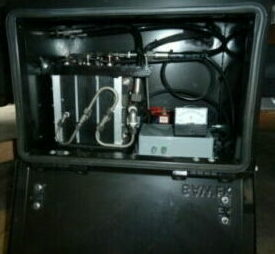
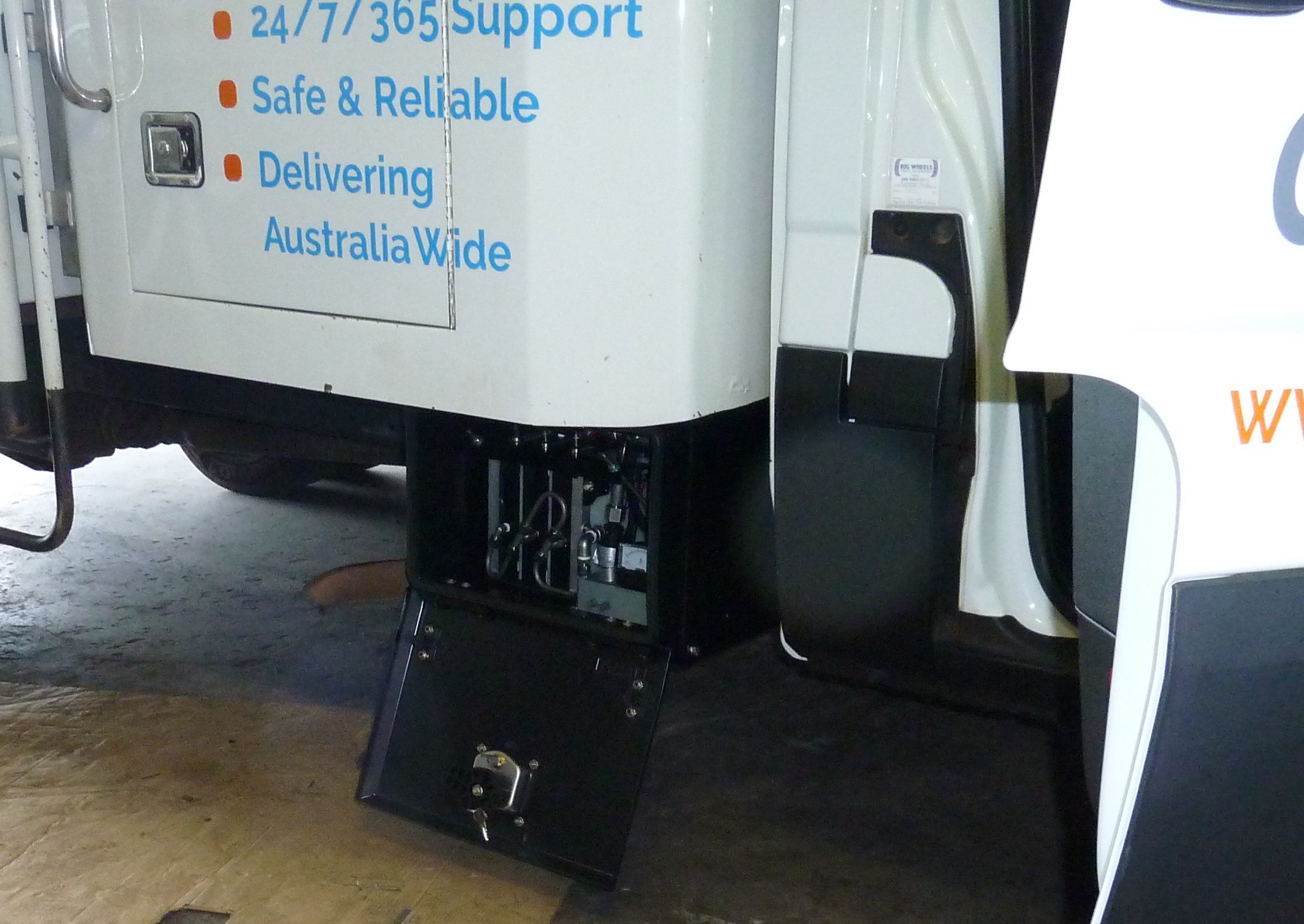
A hatchback owner might care about economy on the school run. A 4WD owner usually has bigger issues on the table. Fuel range, towing performance, engine strain and maintenance costs all matter more when the vehicle is expected to do genuine work.
That is where a 4wd hydrogen generator kit makes more sense than many bolt-on accessories that promise plenty and deliver little. On a heavier vehicle with higher fuel consumption, efficiency gains are easier to value. If your 4WD chews through tanks every week, even moderate improvements can justify the investment much faster than on a lightly used vehicle.
There is also the emissions side. Many diesel 4WDs develop soot, carbon deposits and rougher running as kilometres build. Better combustion can help reduce smoke and support a cleaner-running engine. For owner-drivers and fleet operators, that is not just about optics. It is tied to maintenance, engine condition and long-term operating costs.
Not all kits are built the same, and that is where many buyers either save money or waste it. A serious system needs the right cell design, proper power supply control, filtration, dependable wiring and application-specific installation guidance. If the components are undersized, poorly matched or slapped in without a proper setup, results will be inconsistent at best.
A proven system should be backed by documentation, test data and fitment support. That matters even more on 4WDs because they are rarely standard for long. Bull bars, dual batteries, snorkels, canopies, drawers and touring accessories all affect available space and installation options. A kit needs to work with the vehicle, not fight it.
This is also why sizing matters. A smaller system may suit a lighter application, while larger engines and harder-working vehicles often need more output to get the best result. A serious supplier will not just throw one universal box at every engine and hope for the best. They will point you towards a unit size that matches engine capacity and workload.
The right kit depends on how your 4WD is used. A weekend tourer with occasional towing has different demands from a fleet ute crossing metro routes all day, and both differ again from a heavily loaded diesel wagon doing regional kilometres every week.
Start with engine size and fuel type. Then look at actual use, not ideal use. If the vehicle regularly tows, carries tools, runs larger tyres or spends time in low-speed off-road work, be honest about that. These factors increase fuel demand and change what the system needs to deliver.
Available mounting space matters too. Under-bonnet room is often tighter than people expect, especially on modern 4WDs. A well-planned kit should include sensible component placement, secure mounting and straightforward service access. If you need to dismantle half the engine bay to check a filter, that is poor planning.
Buyers should also pay attention to technical support. Good instructions, diagrams, power management components and replacement parts are not extras. They are part of the product. If the supplier cannot explain installation logic or back their claims with evidence, keep your wallet shut.
A 4WD hydrogen generator kit is only as good as its installation. Clean wiring, correct current control, proper hose routing and secure mounting are not cosmetic details. They directly affect safety, reliability and output.
For many 4WD owners, the right path is either professional fitting or a careful DIY install backed by proper instructions. If you are mechanically minded, have a clean workspace and understand vehicle electrics, fitting a kit can be straightforward with the right documentation. If you are guessing your way through it, you are asking for trouble.
Heat, vibration, dust and water exposure all need to be considered in a 4WD. These vehicles do not live easy lives. A touring rig in WA red dirt or a work ute in North Queensland humidity will expose weak components quickly. That is why build quality and installation guidance matter just as much as the headline fuel-savings claim.
Serious buyers ask the right question – what will it actually do on my vehicle? The honest answer is that results vary with engine condition, driving style, load, terrain and installation quality. A tired engine with neglected servicing will not behave like a well-maintained late-model diesel. A vehicle towing every day may show different gains from one running empty on the highway.
That said, the reason these systems keep attracting attention is because measurable gains are possible when the technology is properly applied. Fuel savings, reduced emissions and stronger performance are the outcomes buyers are chasing, and those outcomes need to be backed by testing, reports and real-world use cases, not hype.
If your 4WD already consumes a lot of fuel, there is more room for meaningful improvement. If it is lightly driven and rarely under load, the financial return may take longer. That is not a flaw in the system. It is simply how operating economics work.
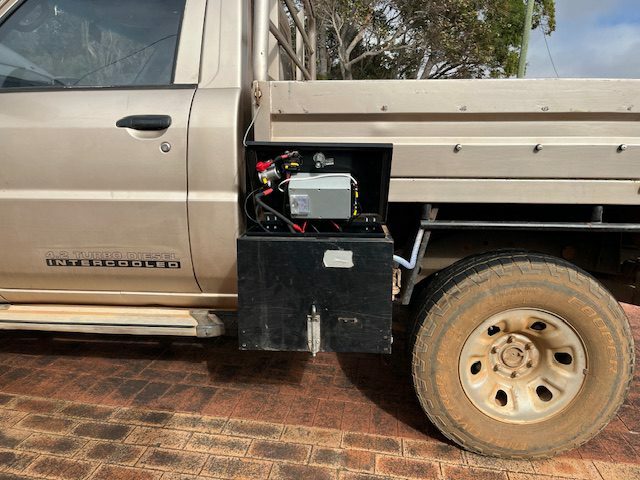
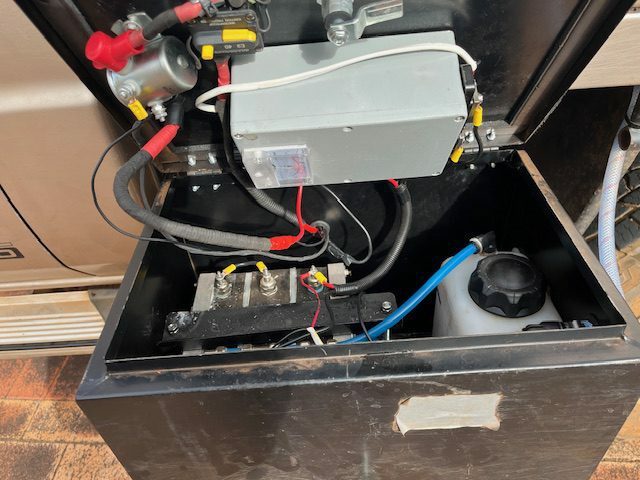
Gen 10 Hydrogen system mounted under tray 4.2 L diesel box open
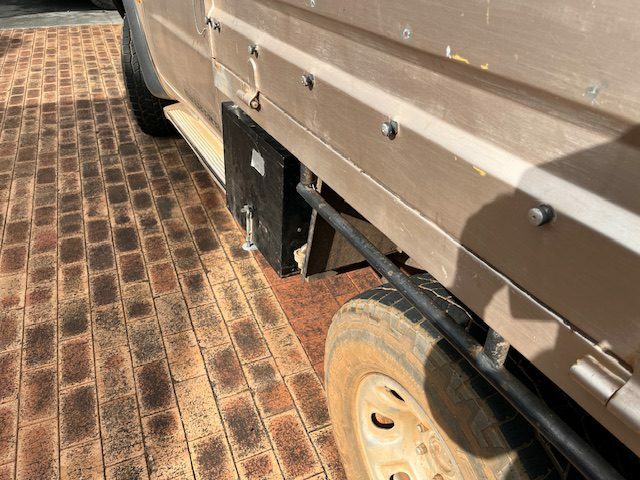
Gen 10 Hydrogen system mounted under tray 4.2 L diesel box closed
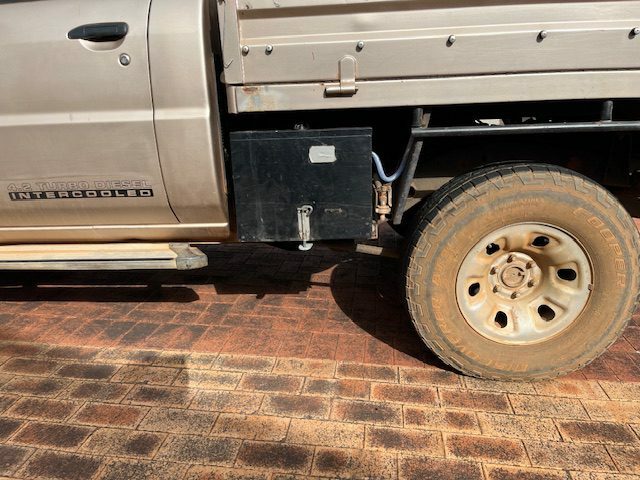
Gen 10 Hydrogen system mounted under tray 4.2 L diesel box closed
High-kilometre drivers usually see the clearest case. Owner-drivers, tradies, regional operators, towing-heavy families and 4WD enthusiasts who spend real time on the road all stand to benefit more than low-use suburban vehicles. The more fuel you burn, the easier it is to measure a return.
Diesel 4WDs often attract the most interest because they are commonly used for towing, touring and commercial work, but petrol applications can also benefit when the kit is correctly matched. The common thread is workload. Vehicles that work hard respond best to upgrades aimed at combustion efficiency.
That is one reason businesses such as Hydrogen Fuel Systems focus heavily on tested, application-specific systems rather than vague one-size-fits-all promises. Buyers in this space want proof, not fluff. Fair enough too.
Do not ask whether hydrogen enhancement sounds clever. Ask whether the kit is patented, documented, sized correctly and supported with proper technical material. Ask what system output suits your engine. Ask how it is installed, what maintenance is required and what evidence supports the claims.
A strong supplier should welcome those questions. If they cannot answer them clearly, that tells you plenty.
For a 4WD owner trying to cut fuel spend while keeping the vehicle useful, a hydrogen kit is not about chasing novelty. It is about getting more from every litre and every kilometre. If your rig works hard, the smartest upgrades are the ones you feel in the seat and see in the fuel bill.
Views: 1
Monday, June 29, 2026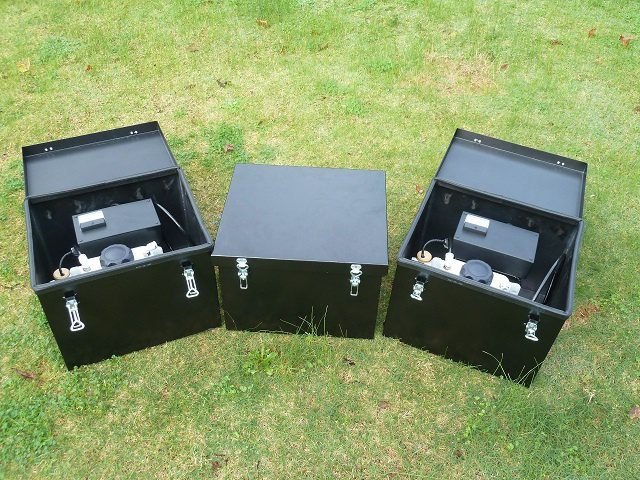
Brilliant Invention Gen 20 Hydrogen Generator ---(update Feb 7... Full Story

by Gavan Knox HFS whats app +61 403177183 gavan@hfuel.com.au... Full Story
A diesel that leaves a thick black cloud when... Full Story

Diesel Combustion Efficiency Guide for Real Savings - Aug... Full Story
Hydrogen Kit Reliability for Hard-Working Engines - Aug 23.... Full Story
Payment Methods Partner:

© 2023 - Hydrogenfuelsystems pty ltd