Brilliant Invention Gen 20 Hydrogen Generator July 2 2026
Brilliant Invention Gen 20 Hydrogen Generator ---(update Feb 7... Full Story
Perth, West Australia




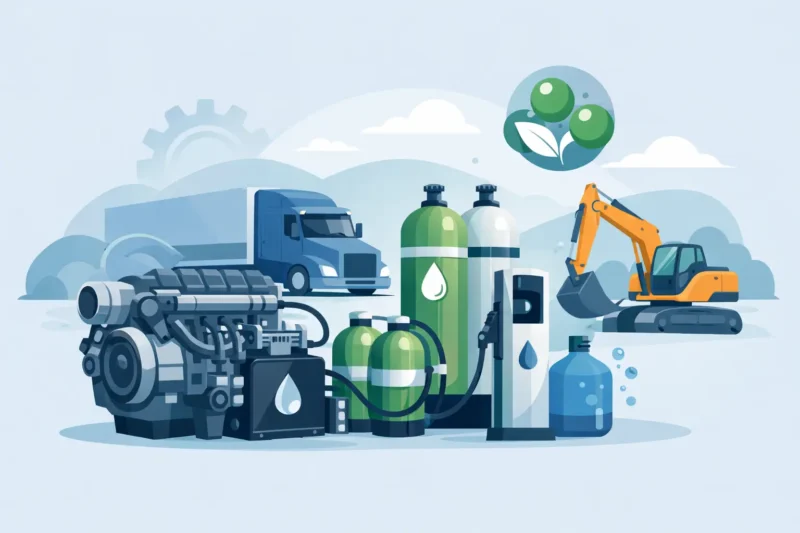
Hydrogen Kit Reliability for Hard-Working Engines – Aug 23.
Hydrogen Kit Reliability for Hard-Working Engines – Aug 23. A hydrogen kit that works perfectly in the shed but faults on a hot run, rough track or long highway haul is not much use. For owner-drivers, fleet operators, tradies and generator users, hydrogen kit reliability is where the real value sits. The system needs to keep producing gas consistently, avoid electrical faults and suit the engine’s actual workload – not just look good bolted under the bonnet.
An HHO system is not a fit-and-forget novelty. It is an electrolysis system working alongside your vehicle or machinery every time the engine is running. Get the cell size, water supply, wiring and installation right, and it can provide dependable service. Cut corners on those basics and even a quality kit can become unreliable.
Reliability is more than whether the unit turns on. A dependable hydrogen generator kit should start and stop correctly with the ignition, draw current within its specified range, produce gas consistently and remain protected from heat, vibration, contamination and electrical damage.
It should also suit the application. A lightly used petrol runabout, a loaded diesel ute, a marine engine and a stationary generator do not place the same demands on a system. The engine’s capacity, electrical system, operating hours and under-bonnet space all affect the right configuration.
A reliable result comes from the whole package: generator cell, reservoir, pump or water management setup where fitted, wiring, relays, fusing, gas lines, safety components and mounting. One weak connection can stop the entire system doing its job.
The most common reliability mistake is choosing a kit based on price alone. Bigger is not automatically better, and a unit that is too small may not match the demands of a hard-working engine. System size needs to be selected for engine displacement, fuel type and the way the vehicle is actually used.
A 4WD that spends most of its life cruising empty has different requirements from the same 4WD towing a caravan through summer heat. Likewise, a truck or generator operating for long periods needs a system designed for sustained duty, not occasional short trips.
Oversizing can create unnecessary electrical draw and heat if the rest of the installation is not designed around it. Undersizing can leave the buyer disappointed because output is limited for the engine application. Properly matched Gen 10, Gen 15, Gen 20 or Gen 25 systems give the installation a sound starting point, but vehicle-specific advice still matters.
Before fitting any kit, confirm the engine capacity, alternator condition, battery health, available mounting area and expected operating pattern. This is practical preparation, not paperwork for paperwork’s sake.
Water quality has a direct effect on hydrogen kit reliability. The electrolyte solution inside the system is part of the operating environment for the cell. Contaminated water can introduce minerals and deposits that affect performance, increase maintenance and shorten component life.
Use the water and electrolyte mix specified for the kit. Do not substitute tap water because it is convenient, and do not keep adding chemicals in the hope of forcing more output. More is not always better. An incorrect mix can increase current draw, create excess heat and place avoidable stress on the cell and power supply.
Check the reservoir regularly. The water level should stay within the recommended range, and the fluid should be inspected for discolouration or contamination. If the system uses a filter, it needs to be checked and replaced as part of routine servicing. A small amount of regular attention is far cheaper than repairing a neglected system.
Some warmth during operation may be expected, depending on the system and ambient conditions. Excessive heat is different. It can point to an overly strong electrolyte mix, poor airflow, incorrect wiring, an unsuitable current setting or a component problem.
Do not ignore a cell that is running unusually hot. Heat accelerates wear, affects water consumption and can turn a minor setup issue into an avoidable failure. Investigate the cause early, particularly on vehicles working in Australian summer conditions or engines operating under sustained load.
A hydrogen kit lives in a harsh electrical environment. Engine vibration, dust, moisture, temperature swings and voltage changes all test the wiring. The kit should be connected with correctly rated cable, secure terminals, proper fusing and relay-controlled ignition power.
The fuse is there to protect the circuit, not to be bypassed when something trips. If a fuse blows repeatedly, there is a cause: a short, damaged cable, excessive current draw, poor connection or failed component. Replacing it with a larger fuse without finding the fault is a fast way to damage wiring or electrical equipment.
Battery terminals and earth points need to be clean and tight. A poor earth can cause inconsistent performance that looks like a cell problem. On older vehicles, check the alternator output and battery condition before installing a hydrogen system. A kit cannot compensate for a charging system that is already struggling.
Cable routing matters just as much. Keep wiring clear of exhaust heat, moving belts, sharp edges and areas where it can rub through. Use suitable protection and secure it properly. A cable hanging loose beside an engine may work for a week, then fail at the worst possible time.
The best components cannot overcome a rushed installation. Cells must be mounted securely, reservoirs positioned for access and serviceability, and hoses routed so they cannot kink, melt or rub against hot or moving parts.
Under-bonnet space is often tight, especially in modern diesel utes and 4WDs. That does not justify mounting the system where it will be exposed to extreme heat or where checking the water level becomes a chore. If servicing is difficult, it is less likely to happen.
Gas lines need to be tightly connected and inspected for damage. Safety devices and filters must be fitted in the correct direction and location according to the installation instructions. Do not improvise with unsuitable hose, fittings or electrical parts. A few dollars saved during installation can cost far more in downtime and replacement parts.
For commercial vehicles, marine applications and generators, document the installation. Record the system model, date fitted, electrolyte specification and any baseline operating readings. That gives the owner or maintenance team a clear reference point when checking performance later.
Reliability comes from inspection, not guesswork. A quick check during routine servicing can catch most issues before they become costly.
Look for four things: the correct fluid level and condition, secure hose and electrical connections, any signs of rubbing or heat damage, and normal current draw or system operation. If the kit has a display, controller or indicator, learn what normal operation looks like for that setup.
Pay particular attention after rough-road travel, major engine work or electrical repairs. Vibration can loosen mounts and terminals. A workshop may disconnect wiring during unrelated repairs. Catching these changes early protects both the HHO kit and the vehicle.
For fleets, set an inspection interval based on operating hours or kilometres. Vehicles that idle for extended periods, haul heavy loads or work in dusty regional conditions may need more frequent checks than a privately used car. There is no single schedule that suits every application.
A hydrogen kit can only perform as well as the vehicle it is fitted to and the way it is operated. Fuel use is influenced by load, driving style, tyre pressures, engine condition, route, idle time, fuel quality and maintenance. A system that is reliable is one that operates consistently – it does not make every vehicle return the same fuel-saving figure on every trip.
Treat claims sensibly. Ask for application-specific technical information, installation guidance and available test documentation. Compare like-for-like operating conditions before judging results. This is especially important for trucks, generators and machinery where load cycles can change dramatically from one week to the next.
A well-maintained engine is also essential. Fix intake leaks, injector issues, blocked filters, worn turbo components and charging faults before expecting any add-on system to deliver its best result. Improving combustion support is not a substitute for repairing an engine that needs attention.
The lowest-priced kit is rarely the cheapest system over its service life. Buyers should look for clear installation instructions, application advice, replacement parts, electrical protection components and technical support. These are the details that keep a system serviceable years after purchase.
Hydrogen Fuel Systems focuses on application-specific system options and the supporting components needed to keep installations practical for Australian vehicles and equipment. That matters when the vehicle is used to earn a living, not just driven on weekends.
If you want dependable operation, start with the right kit, fit it properly and inspect it like any other working engine component. Reliability is built in the planning and protected through maintenance – and that is where a hydrogen system earns its place on the vehicle.
Views: 1
Saturday, August 22, 2026
Brilliant Invention Gen 20 Hydrogen Generator ---(update Feb 7... Full Story

by Gavan Knox HFS whats app +61 403177183 gavan@hfuel.com.au... Full Story
A diesel that is drinking more fuel, pulling poorly... Full Story
Hydrogen Kit Reliability for Hard-Working Engines - Aug 23.... Full Story
Marine HHO Installation for Diesel Boat Engines - Aug... Full Story
Payment Methods Partner:

© 2023 - Hydrogenfuelsystems pty ltd