Brilliant Invention Gen 20 Hydrogen Generator July 2 2026
Brilliant Invention Gen 20 Hydrogen Generator ---(update Feb 7... Full Story
Perth, West Australia




by Gavan Knox MSc, BSc, BEd.
WhatsApp call +61 403177183
contact gavan@hfuel.com.au
https://hydrogenfuelsystems.com.au
How to Choose HHO Kit Size for Your Engine A small passenger car and a hard-working diesel ute may both run 2.0-litre engines, but they do not need the same hydrogen output. That is the mistake buyers make when working out how to choose hho kit size. Engine capacity is the starting point, not the final answer.
The right HHO kit needs to suit the engine’s displacement, fuel type, load, operating hours and charging system. Get the match right and you are setting the vehicle up for more complete combustion, stronger response and the potential for worthwhile operating-cost savings. Go too small and the system may not deliver enough gas volume to influence a high-demand engine. Go too large and you can create unnecessary electrical load, complexity and cost.
At Hydrogen Fuel Systems, the practical choice comes down to matching the generator to the way the engine actually earns its keep – whether that is commuting, towing, hauling, marine work, off-road driving or continuous generator operation.

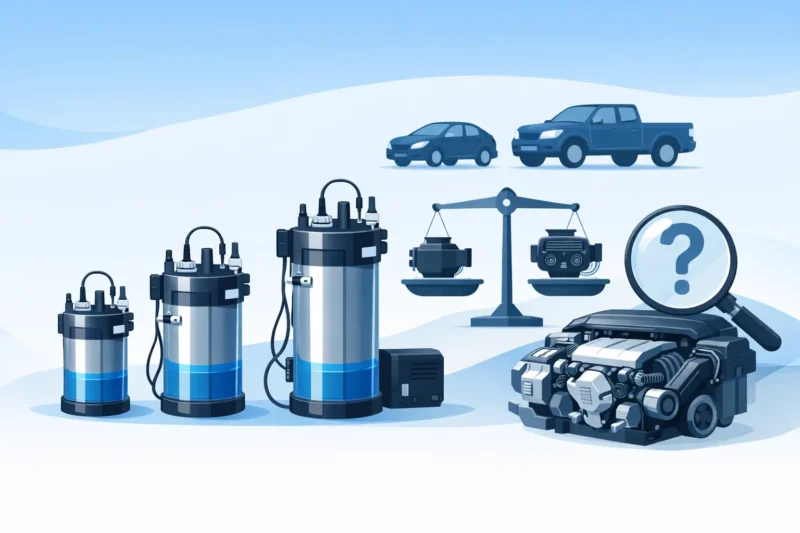
As a general rule, larger engines require greater hydrogen production. A compact petrol vehicle needs a different system from a turbo-diesel 4WD, a light truck or a marine engine that holds steady revs for hours at a time.
Our Gen 10, Gen 15, Gen 20 and Gen 25 systems are designed to cover a broad range of applications. The model number is useful as a guide to relative system capacity, but selecting a kit should never be reduced to picking the closest number to your engine size. A 3.0-litre wagon used for school runs has a very different demand profile to a 3.0-litre ute towing tools, a caravan or a loaded trailer across regional Australia.
For smaller passenger engines, the aim is a correctly controlled system that complements normal driving without imposing excessive load on the alternator. As engine size, cylinder count and fuel use climb, the need for higher hydrogen volume climbs with them. Bigger displacement engines generally need a larger generator, appropriate wiring and a power supply setup capable of maintaining consistent production.
This is why a kit that performs well on a four-cylinder car is not automatically the answer for a V8 work vehicle or six-cylinder truck. Size the system for the engine, then verify it against the vehicle’s real workload.
An engine’s workload determines how much fuel it burns and how much opportunity there is for an HHO system to support combustion efficiency. A vehicle that spends most of its time at light throttle has a different operating pattern from machinery or transport equipment under sustained load.




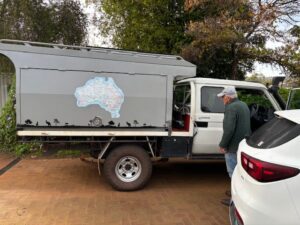
Consider these four questions before choosing your kit size:
A heavy-duty application often justifies stepping up from the minimum size suggested by engine capacity alone. For example, a 4WD that regularly tows may need a stronger setup than the same engine in a lightly used family vehicle. The same thinking applies to generators. A generator running at a steady, high electrical load is not comparable to one used for short backup runs a few times a year.
That does not mean bigger is always better. The best system is the one that produces suitable hydrogen volume while working within the vehicle’s electrical limits. Effective sizing is a balance, not a race to install the largest unit available.
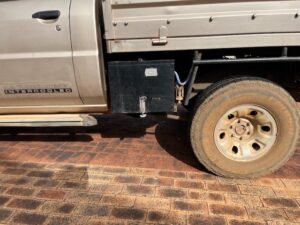

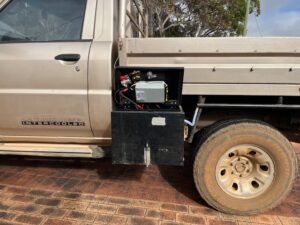
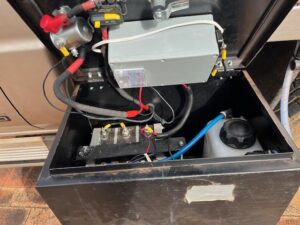
Every on-board hydrogen generator draws power. That makes alternator capacity, battery condition, cable sizing, fusing and relay control part of the kit-sizing decision.
A larger HHO generator demands a power supply system that can support it safely and reliably. If the alternator is already working hard to run auxiliary lights, refrigeration, winches, pumps, air compressors or a dual-battery setup, electrical headroom needs to be assessed before selecting a larger generator. This is particularly relevant for touring 4WDs, service vehicles, boats and work utes loaded with accessories.
Poor wiring can sabotage a correctly sized generator. Voltage drop, undersized cable, weak earth connections and poor fuse placement can reduce production or create reliability issues. A quality installation uses suitable cable, secure terminals, proper circuit protection and ignition-controlled operation so the unit runs when it should and shuts down when it should.
For commercial equipment, consistency matters. If voltage is unstable, hydrogen output is unstable. That makes proper power supply components and installation practice just as important as choosing between a Gen 15 and a Gen 20.
Fuel type changes the conversation, but it does not replace correct sizing. Petrol and diesel engines have different combustion characteristics, tuning approaches and operating loads. A diesel used in a delivery truck or farm machine may consume far more fuel over a working day than a larger petrol engine used only on weekends.
Diesel vehicles are often strong candidates for carefully matched systems because they commonly operate under load for long periods. Owner-drivers and fleet operators should focus on litres consumed, kilometres travelled, idle time and payload rather than only the badge on the bonnet. High fuel throughput creates more scope for measurable savings, provided the system is properly selected, installed and monitored.
Marine applications need additional care. Boats can run at sustained throttle settings, and the marine environment places greater demands on mounting, connections and corrosion resistance. Select according to engine capacity and load, then make sure the install is suited to vibration, moisture and access for regular inspections.
For stationary generators, use engine size alongside the generator’s usual electrical load and run time. A unit operating at 70 to 90 per cent of its rated output needs a different approach from one running intermittently at low load. The target is dependable production during genuine working conditions, not an oversized system chosen on guesswork.
Fuel savings, emissions outcomes and performance gains depend on the engine’s condition and the quality of the installation. An HHO kit cannot repair a blocked air filter, worn injectors, incorrect tyre pressures, dragging brakes, a failing turbo hose or poor servicing. Fix the mechanical basics first.
Before installation, establish a real baseline. Record fuel purchases, kilometres, hours, loads and driving conditions over enough time to remove one-off variations. For fleets and generators, litres per 100 km or litres per operating hour provide a far more useful measure than a single tank calculation.
After fitting the correctly sized system, monitor the same figures. This is how serious operators judge return on investment. It also helps identify whether the system is suited to the application or whether the vehicle has another maintenance issue affecting consumption.
Be wary of universal promises. A lightly used petrol hatch, a loaded diesel truck and a generator on a remote worksite will not return identical percentages. The commercial value comes from matching the right equipment to the right engine, then measuring the result in the conditions that matter to your operation.
Start by identifying your engine capacity and fuel type. Next, be honest about the load it carries and the hours it operates. Then assess alternator capacity and existing accessories. With those facts in hand, choose the generator range that fits the application rather than simply choosing the cheapest entry point.
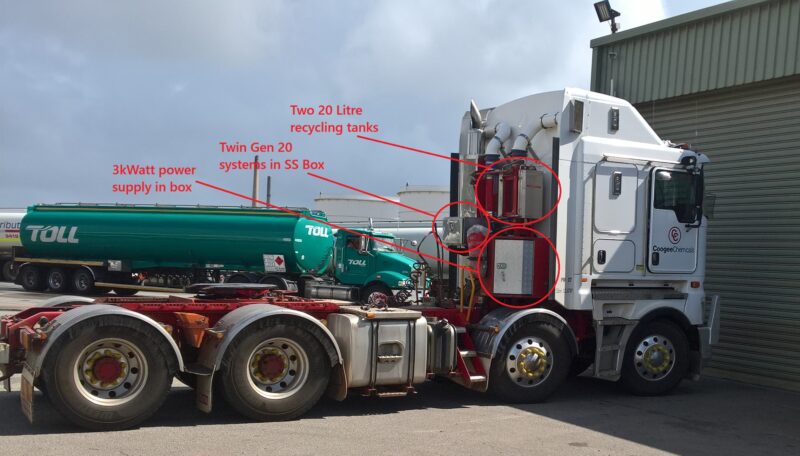
Gen 10 systems are generally suited to lower-demand applications, while Gen 15 and Gen 20 configurations provide a logical progression for larger or harder-working engines. Gen 25 systems are intended for applications where engine capacity, fuel consumption and sustained workload call for higher system output. Final selection should account for the complete vehicle or machine setup, including the available mounting space and the correct power supply components.
If your vehicle sits between two sizes, workload should decide it. Choose the smaller option for light-duty use with healthy electrical limits. Consider the larger option where the engine works hard, burns substantial fuel or runs for extended periods, provided the charging system and installation are specified to support it.
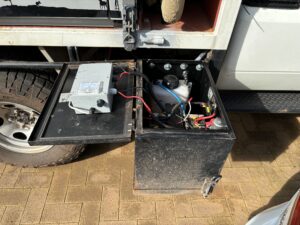
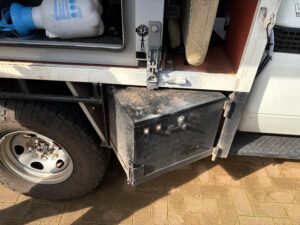
Correct sizing delivers nothing if the installation is poor. Mount the generator securely away from excessive heat and moving components. Use the right hose routing, filtration, wiring protection and electrical connections. Keep the system serviceable so fluid checks, inspections and component replacement can be carried out without dismantling half the engine bay.
Do not interfere with required emissions equipment or ignore Australian vehicle, marine and workplace requirements. Where warranty, compliance, insurance or commercial-site rules apply, check them before modifying the vehicle. A professional, documented installation protects both the equipment and the investment.
The best HHO kit size is not the biggest unit you can fit. It is the system matched to your engine’s capacity, fuel burn, workload and electrical capability – then installed cleanly enough to deliver reliable results every day.
by Gavan Knox MSc, BSc, BEd.
WhatsApp call +61 403177183
contact gavan@hfuel.com.au
https://hydrogenfuelsystems.com.au
Thursday, July 23, 2026
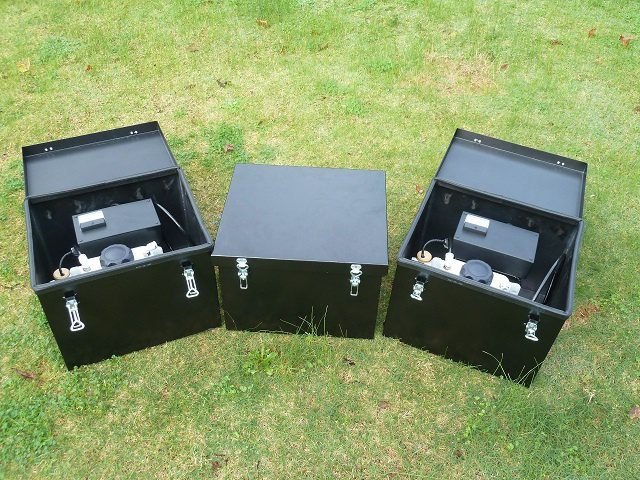
Brilliant Invention Gen 20 Hydrogen Generator ---(update Feb 7... Full Story

by Gavan Knox HFS whats app +61 403177183 gavan@hfuel.com.au... Full Story
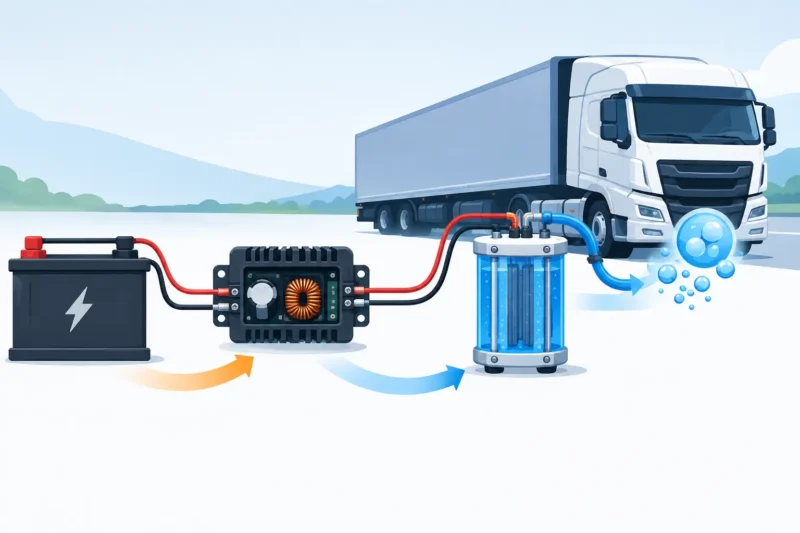
How 24V-to-13.8V Buck Configuration Regulators Affect HHO generation in... Full Story
A diesel that is smoking, using more fuel or... Full Story
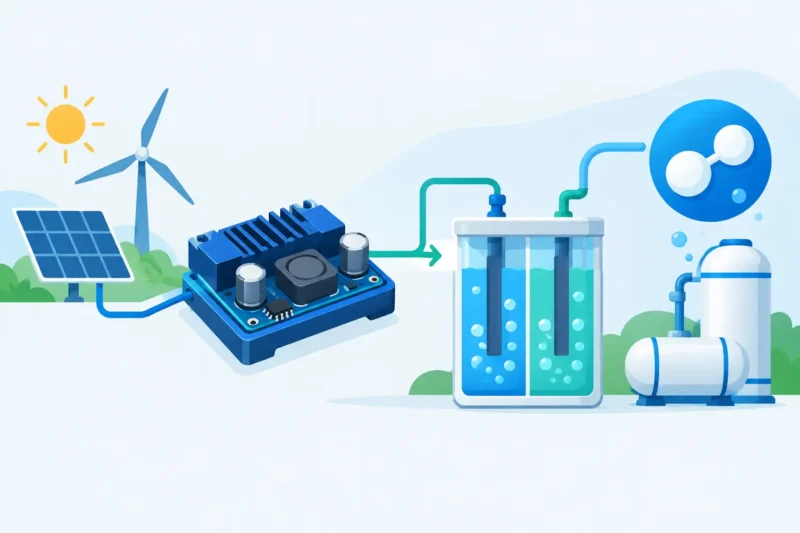
How Do DC-DC Boost Regulators Affect Hydrogen Gas Production?... Full Story
Payment Methods Partner:

© 2023 - Hydrogenfuelsystems pty ltd