Brilliant Invention Gen 20 Hydrogen Generator July 2 2026
Brilliant Invention Gen 20 Hydrogen Generator ---(update Feb 7... Full Story
Perth, West Australia





by Gavan Knox MSc, BSc, BEd, Inventor
WhatsApp call +61 403177183
contact gavan@hfuel.com.au
https://hydrogenfuelsystems.com.au
Diesel Combustion Efficiency Guide for Real Savings – Aug 24. A diesel that is drinking more fuel, pulling poorly under load or leaving a black haze behind it is not simply “getting old”. It is burning fuel less effectively than it should. This diesel combustion efficiency guide explains what actually changes the result at the crankshaft – and where operators can find genuine fuel, power and maintenance gains.
For an owner-driver, fleet manager, 4WD owner or machinery operator, combustion efficiency is not a workshop theory lesson. It shows up at the bowser, on the steep grade, in the service schedule and in the life of expensive engine components. Better combustion means extracting more useful work from the fuel already being injected. Poor combustion means fuel becomes excess heat, soot, smoke and operating cost.

A diesel engine works by compressing air until it is hot enough to ignite finely atomised fuel. The process sounds simple, but it depends on several events happening correctly and at the right time. The engine needs clean, adequate air; fuel delivered at the correct pressure and timing; effective atomisation; enough compression; and an exhaust system that allows gases to leave without restriction.
Combustion efficiency is the quality of that burn. A clean, controlled burn produces strong cylinder pressure at the right point in the power stroke. That pressure becomes torque. When the burn is incomplete, delayed or poorly mixed, the engine must use more fuel to do the same job.
This is why fuel consumption cannot be judged by one tank alone. Headwinds, towing weight, idle time, terrain, tyre pressure and driver behaviour all affect the number. The useful measure is a repeatable comparison: litres per 100 km for a vehicle, litres per hour for a generator or machine, and fuel used per tonne moved for heavy work.
Diesel fuel cannot burn properly without oxygen. Restricted airflow is one of the most common and most overlooked causes of poor performance, especially in dusty Australian conditions.
Start with the air filter. A filter packed with dust restricts intake air and can increase smoke under acceleration or load. It is not a case for removing the filter or fitting an unsuitable high-flow unit. The right answer is a correctly specified, properly sealed filter checked at the service interval required by the operating environment. A ute on sealed metro roads and a 4WD working in red dirt should not be treated the same.
Turbocharged engines also rely on leak-free boost plumbing. A split intercooler hose, loose clamp or cracked intake duct can dump pressurised air before it reaches the inlet manifold. The engine may still run, but it will often feel flat, smoke more heavily and consume more fuel when worked hard. Check hoses for oil staining, soft spots and rub marks, then inspect clamps and intercooler condition.
The exhaust matters too. A damaged muffler, blocked diesel particulate filter or fault in the emissions control system can increase backpressure and interfere with airflow. Modern common-rail diesels should be diagnosed with suitable scan equipment rather than guessed at. Clearing a code without finding the cause is not a repair.
A diesel injector does more than deliver fuel. It must deliver the right amount, at the right time, in an extremely fine spray pattern. When injectors wear, foul or develop poor spray patterns, fuel does not mix with air as designed. The result can be rough running, diesel knock, difficult starting, smoke, reduced economy and higher exhaust temperatures under load.
Fuel quality is the first line of defence. Buy from reliable, high-turnover suppliers where possible, particularly when operating remote, marine or seasonal equipment. Water contamination and dirt are enemies of modern high-pressure injection systems. Drain water separators where fitted, replace fuel filters on schedule and investigate any recurring contamination rather than repeatedly changing filters.
Do not assume every fuel-system problem is an injector problem. Low rail pressure, a failing lift pump, air entering the fuel line, a restricted filter or an electrical fault can produce similar symptoms. A proper diagnosis should include fault codes, live data, fuel pressure checks and, where appropriate, injector balance or return-flow testing.
No add-on, tune or driving technique can overcome an engine with poor mechanical health. Compression loss, worn rings, valve issues, failed glow plugs and cooling-system problems all reduce the engine’s ability to create a reliable, efficient burn.
Pay attention to changes, not only failures. Longer cranking, a new vibration at idle, rising oil use, coolant loss, excessive crankcase blow-by or a sudden increase in regeneration frequency are warnings worth acting on early. Leaving them until the vehicle is barely driveable generally turns a manageable repair into a costly one.
Oil choice is also part of efficiency and durability. Use the grade and specification required for the engine and its emissions system. The cheapest oil on the shelf is not a saving if it compromises turbocharger protection, increases deposits or creates problems with the particulate filter. For fleet equipment, oil analysis can reveal wear metals, soot loading, fuel dilution and coolant contamination before a major failure occurs.
A diesel engine is most efficient when it is working in its useful torque range, not labouring at very low revs or screaming unnecessarily high in the rev range. That does not mean short-shifting every time. Too much throttle at very low rpm can increase cylinder pressure, soot production and exhaust temperature, particularly while towing or climbing.
Use the right gear, let the engine hold steady torque and reduce unnecessary speed where the schedule allows. Aerodynamic drag rises quickly at highway speeds, so backing off slightly can make a meaningful difference for vans, utes and trucks. Idling is another silent cost. If the engine is not needed for a work function, long idle periods burn fuel without moving the vehicle or producing useful output.
Load management matters just as much. Carrying unused gear, towing with underinflated tyres, roof racks left on permanently or running a poorly balanced trailer all increase fuel demand. These are not glamorous fixes, but they are measurable and immediate.
Hydrogen-assisted combustion systems are designed to introduce a small amount of on-board generated hydrogen and oxygen into the engine intake. The intended purpose is to support a faster, more complete combustion event, particularly where a diesel spends long periods under steady load.
The sensible approach is to treat hydrogen enhancement as part of a complete efficiency plan, not a substitute for maintenance. A system cannot fix blocked filters, leaking boost hoses, worn injectors or a mechanical fault. Install it on a sound engine, record a baseline first and compare results over enough operating hours or kilometres to remove the effect of route, load and weather changes.
For fleets, generators, marine engines and heavy-use 4WD applications, the strongest proof is disciplined record keeping. Track fuel volume, hours, kilometres, load, maintenance events and driver or operator notes. If a change improves combustion, the figures should show it over time – not only on a single favourable run.
Hydrogen Fuel Systems supplies application-specific HHO systems and technical material for operators seeking that additional combustion-efficiency strategy. System sizing, electrical installation, intake placement and safe fitment all matter. Follow the supplied instructions, protect wiring correctly and use a qualified installer when the vehicle or application requires it.
Fuel-saving claims are easy to make and easy to misread. A better test compares like with like. Run the same route or duty cycle, use the same driver where practical, record payload or towing weight, and collect enough data to establish an average.
For a road vehicle, calculate litres per 100 km across several full tanks. For stationary equipment, use litres per hour at a defined electrical or hydraulic load. For a transport operation, litres per tonne-kilometre can be more useful than kilometres alone. This separates actual engine improvement from a lighter load or easier run.
When the engine is working efficiently, you should expect the whole operation to feel more controlled: cleaner response under load, less unnecessary smoke, stable temperatures and fuel use that stands up to proper records. Start with the basics, measure every change and spend money where the evidence is strongest. That is how diesel savings become an operating advantage rather than a hopeful claim.
by Gavan Knox MSc, BSc, BEd.
WhatsApp call +61 403177183
contact gavan@hfuel.com.au
https://hydrogenfuelsystems.com.au
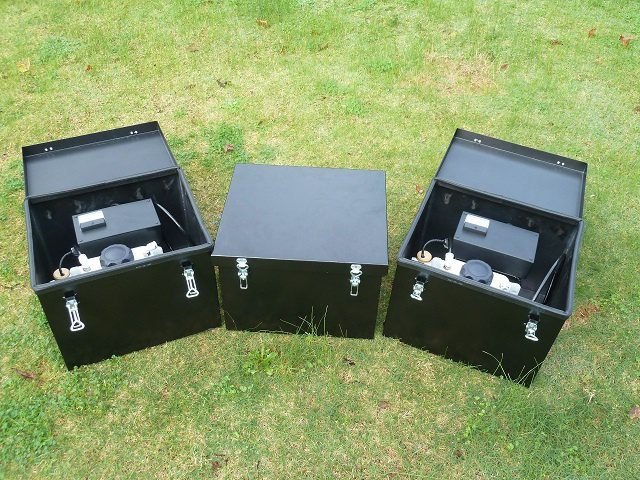
Brilliant Invention Gen 20 Hydrogen Generator ---(update Feb 7... Full Story

by Gavan Knox HFS whats app +61 403177183 gavan@hfuel.com.au... Full Story

Best Vehicles for HHO Upgrades in Australia - Oct... Full Story

Fuel Economy Methodology That Produces Real Numbers - oct... Full Story

Can HHO Improve Towing Economy? Facts That Matter -... Full Story
Payment Methods Partner:

© 2023 - Hydrogenfuelsystems pty ltd