Brilliant Invention Gen 20 Hydrogen Generator July 2 2026
Brilliant Invention Gen 20 Hydrogen Generator ---(update Feb 7... Full Story
Perth, West Australia





by Gavan Knox MSc, BSc, BEd, Inventor
WhatsApp call +61 403177183
contact gavan@hfuel.com.au
https://hydrogenfuelsystems.com.au
HHO Versus Additives: What Actually Pays Back? – Oct. 11. A bottle of fuel additive can be tipped into the tank before a long run. An HHO system is fitted to the vehicle and works whenever the engine runs. That simple difference sits at the centre of the HHO versus additives decision – one is an occasional chemical treatment; the other is an on-board combustion enhancement system.
For a diesel ute, a highway truck, a generator or a work boat burning serious litres every month, the question is not which product sounds better. It is which approach can produce a worthwhile operating return in the conditions the engine actually faces.

Fuel additives alter the properties of the fuel in the tank. Depending on the formulation, they may clean injectors, disperse water, improve lubricity, raise cetane in diesel, help control deposits or support fuel stability during storage. They have a legitimate place, particularly where fuel quality is uncertain, an engine has been sitting idle, or a maintenance issue calls for a targeted treatment.
An HHO kit works differently. It uses electrical power from the vehicle or equipment to generate a small hydrogen-rich gas supply on board. That gas is introduced into the intake air stream, where it supports a faster, more complete combustion event. The objective is not to change the fuel itself. It is to improve how the fuel and air charge burns inside the cylinder.
That distinction matters. Additives are consumed as the tank empties, so the cost and treatment rate return with every fill. An HHO system is a capital purchase with installation requirements, but it remains on the vehicle or machine and continues producing gas while it is operating. For high-use equipment, that difference can change the payback calculation completely.
Additives are not all the same, and treating them as one category leads to poor buying decisions. A diesel injector cleaner may be useful for deposit control. A lubricity additive can make sense where low-lubricity fuel is a concern. A biocide is designed for microbial contamination in stored diesel. None of those products is automatically a fuel-saving solution.
A quality additive can be a practical maintenance tool when it solves a defined problem. If an engine has injector fouling, water contamination, poor cold starting or fuel that has deteriorated in storage, the right formulation may help restore normal operation. It can also be easy to trial because there is no hardware to fit and no wiring to check.
The trade-off is that additives are temporary and their results depend heavily on the engine, the fuel, the dosage and the duty cycle. A lightly loaded passenger vehicle making short urban trips may not show a meaningful fuel-use change. A hard-working common-rail diesel may respond differently again. Promises of dramatic economy gains from every bottle deserve scrutiny, especially if there is no measured before-and-after fuel data.
Additives also cannot correct every combustion issue. They do not repair worn injectors, leaking boost hoses, blocked air filters, poor compression, faulty sensors or a driver spending every kilometre at full throttle. They can support maintenance, but they are not a substitute for it.
HHO enhancement is aimed at the combustion process rather than fuel conditioning. Hydrogen has a very fast flame speed and low ignition energy. When introduced correctly into the intake charge, it can support more efficient ignition and flame propagation through the cylinder charge.
For diesel operators, this is particularly relevant because diesel engines operate with excess air and rely on compression ignition. Better combustion quality can mean less unburnt fuel, reduced soot formation and a cleaner burn under load. Petrol engines can also benefit, although the outcome depends on engine management, load profile and the condition of the vehicle.
The practical targets are straightforward: lower fuel consumption, stronger usable torque, reduced smoke and lower emissions. A well-matched system may also assist in keeping combustion chambers and related components cleaner over time because there is less incomplete combustion to begin with.
Results must be assessed honestly. No technology can override basic physics or poor mechanical condition. An engine with a damaged turbo, restricted exhaust, injector fault or neglected servicing needs that issue addressed first. HHO is best viewed as an efficiency upgrade for a mechanically sound engine, not a magic fix for a sick one.
This is where fleet managers and owner-drivers should get the calculator out.
An additive has a lower initial cost. Buy the bottle, dose the tank and monitor the result. That suits occasional maintenance use or equipment that runs infrequently. But if the treatment is used at every fill or on a regular schedule, the annual spend can become substantial, particularly across multiple vehicles, generators or marine engines.
An HHO system has a higher entry cost because it involves equipment, installation and correct sizing. The generator, power supply, plumbing, wiring, water reservoir and safety components must suit the application. Once fitted properly, however, its operating input is primarily distilled water and routine system maintenance rather than repeated chemical purchases.
For a vehicle travelling 10,000 kilometres a year, payback may take longer and the decision will be more sensitive to actual fuel savings. For a courier van, a tradie ute towing regularly, an interstate prime mover, a mining support vehicle or a generator working long hours, litres add up quickly. In those applications, even a modest and repeatable percentage improvement can matter far more than a cheap bottle at the counter.
The right way to compare costs is to track litres per 100 km, litres per hour, load, route, idle time and fuel price before making a call. Do not compare a quiet week of easy highway work with a week of city traffic, headwinds and heavy loads. Good data beats guesswork.
Additives win on convenience. There is no fitting process, no need to find a mounting location and no electrical connection. The downside is reliance on ongoing dosing and the risk of using the wrong product or over-treating fuel.
HHO systems demand a more disciplined approach. Correct installation matters. The system needs secure mounting, protected wiring, reliable electrical supply, appropriate hose routing and a suitable gas entry point. System size must match the engine and its use. A small passenger vehicle does not need the same output as a loaded truck, a large 4WD towing a caravan or a stationary generator.
Routine HHO maintenance is simple but should not be ignored. Check water level, use the specified water quality, inspect electrical connections and replace service items when required. That is a manageable job for operators who already understand the value of servicing filters, oils and cooling systems.
Hydrogen Fuel Systems supplies different generator capacities for cars, trucks, marine applications, 4WDs and generators because one-size-fits-all sizing is not good enough. A correctly matched kit gives the engine a better chance of delivering a measurable outcome without unnecessary complexity.
Choose an additive when you have a specific fuel-related maintenance need, the machine sees low annual use, or you need a short-term treatment for contaminated, stale or marginal fuel. It is also sensible to keep an appropriate product available for fuel storage or seasonal equipment where stability and moisture management are genuine concerns.
Choose HHO when the engine works consistently, fuel is a significant operating expense and you want an ongoing efficiency-focused system rather than a recurring consumable. The strongest candidates are usually high-kilometre diesel vehicles, commercial fleets, towing vehicles, generators, marine engines and machinery that operates under regular load.
In many cases, this is not strictly an either-or decision. An HHO system and sensible fuel maintenance can work alongside each other. For example, an operator may fit HHO for continual combustion support while still using a fuel stabiliser for a generator that sits through part of the year. The mistake is expecting a general-purpose additive to deliver the same ongoing role as a properly fitted hydrogen enhancement system.
Before fitting anything, establish a baseline. Record fuel purchases, distance or run hours, average load, idle time and the work being performed. Keep those figures for several weeks where possible. After an upgrade, continue recording them under comparable conditions.
Also pay attention to operating signs that matter beyond the bowser: smoke under acceleration, throttle response, towing behaviour, engine smoothness and how often the vehicle is forced into a lower gear. These observations are useful, but they should support the fuel figures rather than replace them.
The best investment is the one that suits the engine, the workload and the numbers on your operating sheet. If fuel is one of your largest running costs, an HHO system deserves a serious comparison against the ongoing cost of additives – then let real kilometres, real hours and real litres make the decision.
by Gavan Knox MSc, BSc, BEd, Inventor
WhatsApp call +61 403177183
contact gavan@hfuel.com.au
https://hydrogenfuelsystems.com.au
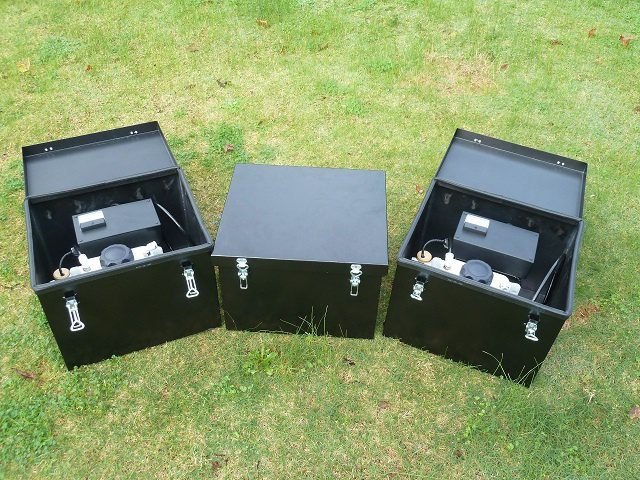
Brilliant Invention Gen 20 Hydrogen Generator ---(update Feb 7... Full Story

by Gavan Knox HFS whats app +61 403177183 gavan@hfuel.com.au... Full Story
HHO Versus Additives: What Actually Pays Back? - Oct.... Full Story

Run a Fleet Hydrogen Trial That Shows Real Results... Full Story

4WD Hydrogen Results for Hard-Working Rigs - Oct 9... Full Story
Payment Methods Partner:

© 2023 - Hydrogenfuelsystems pty ltd