Brilliant Invention Gen 20 Hydrogen Generator July 2 2026
Brilliant Invention Gen 20 Hydrogen Generator ---(update Feb 7... Full Story



by Gavan Knox MSc, BSc, BEd, Inventor
WhatsApp call +61 403177183
contact gavan@hfuel.com.au
https://hydrogenfuelsystems.com.au
Diesel Truck HHO Case Study That Measures Results. A diesel truck HHO case study is only worth reading if it proves what changed at the bowser, behind the wheel and at the exhaust. A driver does not need vague talk about alternative fuel. They need to know whether the truck used less diesel on the same run, pulled harder under load and produced a return that makes commercial sense.
For an owner-driver, a fleet manager or a trades business running a hard-working ute, light truck or prime mover, the test needs to reflect real conditions. That means comparable loads, routes, traffic, weather and driving habits. Anything less is marketing noise.
An on-board HHO system produces hydrogen and oxygen gas from the vehicle’s electrical system and introduces it into the engine intake. The purpose is to support a cleaner, more complete combustion event. On a diesel engine, the practical targets are straightforward: reduce fuel consumption, improve throttle response and torque under load, lower visible smoke where applicable, and potentially reduce carbon build-up associated with incomplete combustion.
Those outcomes must be measured separately. A truck can feel sharper after a modification, but driver feel alone cannot establish fuel savings. Equally, a small change in fuel use means little if the truck was running a lighter load or spent less time idling that week.
A credible before-and-after evaluation records fuel used, kilometres travelled, litres per 100 km, engine hours, average payload and idle time. If the vehicle works a fixed route, it should also record route profile and average journey time. For line-haul work, fuel use per tonne-kilometre can be more useful than litres per 100 km because it accounts for the amount of work performed.
Exhaust readings add another layer of proof. Depending on the testing equipment available, this may include opacity, particulate output, carbon monoxide, hydrocarbons and nitrogen oxides. The exact result will depend on engine condition, tuning, duty cycle and the testing method. That is why a report should state how and where readings were taken, rather than simply claiming a percentage with no conditions attached.
The first stage of a strong diesel truck HHO case study is not fitting the kit. It is confirming the vehicle is mechanically sound.
A blocked air filter, tired injectors, boost leaks, poor tyre pressures, dragging brakes or a fault code can distort the result before testing even begins. HHO is not a substitute for servicing. It is a combustion-efficiency enhancement system, and it works best when the base engine is operating as it should.
The baseline period should cover enough work to remove one-off variations. For a local delivery truck, that may mean several weeks of records over consistent routes. For a long-haul vehicle, multiple comparable runs are needed. Fuel figures should come from full-to-full fills where possible, not estimates from a dashboard range display.
The operator should record the following data in the same format for each period:
This is not paperwork for paperwork’s sake. It protects the result. When the savings are real, clean records make the case far easier to defend inside a fleet business or when deciding whether to equip more vehicles.
System size, mounting location, electrical supply and gas delivery all matter. A small passenger-car setup is not automatically suitable for a heavy diesel engine that spends its day hauling tools, freight or equipment. The generator output must match the engine application, while the wiring, fuse protection, relay arrangement, hose routing and mounting must handle vibration, heat and daily service conditions.
The installation should keep service points accessible and protect components from road spray, exhaust heat and damage. On a working truck, a tidy installation is more than appearance. It determines whether the equipment remains reliable after corrugations, stop-start work, long highway runs and workshop servicing.
Hydrogen Fuel Systems supplies different generator capacities for different applications, including truck-oriented systems. Selection should be based on the engine and duty cycle, not on a one-size-fits-all assumption. A lightly loaded urban delivery vehicle and a loaded 4WD touring rig may have similar engine sizes but very different electrical and operating demands.
Before commissioning, check that the alternator and charging system are healthy. A correctly designed HHO installation manages electrical load appropriately, but a weak battery or failing alternator will create problems that have nothing to do with combustion performance.
Once the system is fitted, run the same data collection process. Do not declare victory after one tank. Diesel consumption moves with headwinds, idling, traffic, load changes, regeneration events on modern emissions-equipped vehicles and the driver’s right foot.
A useful comparison puts the baseline period beside the post-installation period and calculates the fuel-use change against comparable work. For example, if a truck historically uses 18,000 litres per year, even a modest verified improvement can be meaningful. The value is determined by annual fuel volume and diesel price, not by a dramatic claim on a brochure.
The payback calculation is simple:
Annual fuel saving = annual litres used × verified fuel-use reduction × average diesel price
Then compare that figure with the installed cost of the system. If a vehicle burns large volumes of fuel and stays in service every day, the payback can be far stronger than it is for a weekend vehicle. This is why high-use trucks, generators, marine engines and commercial 4WD fleets are often the most logical candidates for testing.
Keep maintenance records in the same file. If intake cleaning, injector work or scheduled servicing occurs during the trial, note it. A serious case study does not hide other variables. It explains them.
The strongest result is repeatable. If the first post-installation month shows a major reduction in fuel use but the next two months return to baseline, investigate the operating differences before making a claim. Conversely, a consistent reduction across comparable work is more valuable than one exceptional tank figure.
Driver feedback matters, particularly on loaded climbs, overtaking response and low-speed pull-away. It should be treated as supporting evidence alongside fuel and emissions data. A driver may notice cleaner response before the spreadsheet has enough data to show a reliable fuel trend.
It also depends on the vehicle. Older mechanical diesels, common-rail engines, turbocharged work utes and emissions-controlled trucks do not behave identically. Engine condition, fuel quality, maintenance history and duty cycle all influence the final outcome. That is not a weakness of the test. It is the reason application-specific testing beats blanket promises.
The best commercial case study begins with one representative vehicle. Choose a truck with stable work, consistent fuel records and a driver who will record information properly. Fit the correctly sized system, establish the baseline, then track enough comparable operation to make the result credible.
If the numbers stack up, the business can make its expansion decision using its own operating data. That is more persuasive than a generic claim because it reflects the loads, routes, diesel pricing and engine types the business actually runs.
Start with the truck that burns the most fuel and performs the most repeatable work. A well-documented trial gives you something far more useful than a promise: evidence you can take to the workshop, the accounts team and the next vehicle purchase decision.
Sunday, November 29, 2026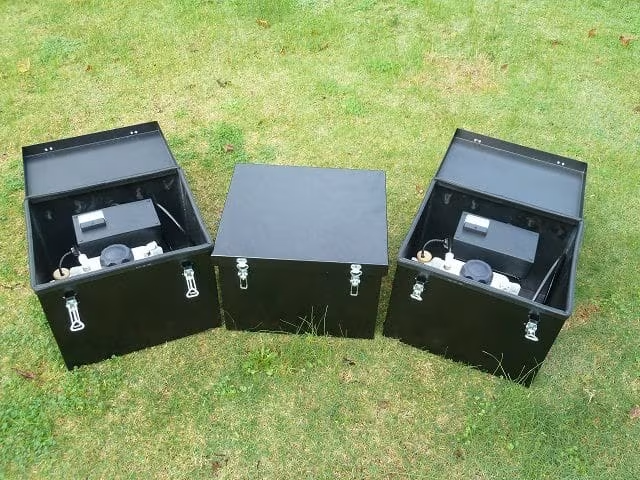
Brilliant Invention Gen 20 Hydrogen Generator ---(update Feb 7... Full Story

A Towing Economy HHO Example That Pays Its Way... Full Story
Diesel Truck HHO Case Study That Measures Results -... Full Story

HHO Controller Review for Better Engine Results - Nov... Full Story
Payment Methods Partner:

© 2026 Hydrogen Fuel Systems Pty Ltd