Brilliant Invention Gen 20 Hydrogen Generator July 2 2026
Brilliant Invention Gen 20 Hydrogen Generator ---(update Feb 7... Full Story


HHO Controller Review for Better Engine Results – Nov 27
HHO Controller Review for Better Engine Results – Nov 27. A hydrogen generator is only as effective as the electrical control behind it. Fit a quality cell, use poor current management, and you can end up with excessive heat, inconsistent gas production, flat battery voltage and disappointing results. This HHO controller review cuts through the sales talk and focuses on what actually counts when you want reliable hydrogen assistance from a car, ute, truck, 4WD, boat or generator.
The controller is not a decorative add-on. It is the part that determines how hard the HHO cell works. Get that setting right and you give the engine a consistent hydrogen and oxygen supply that supports cleaner combustion. Get it wrong and you can waste electrical power, overwork the alternator and shorten the life of system components.
An HHO controller regulates the electrical current delivered to the hydrogen generator. Current is the key variable because it drives gas production, electrolyte temperature and the demand placed on the vehicle charging system. More current is not automatically better. A cell pushed beyond its efficient operating range produces more heat, consumes more power and can create unnecessary stress across the installation.
Most quality systems use pulse-width modulation, commonly called PWM. Rather than feeding the cell with unrestricted power, a PWM controller rapidly switches the power supply on and off. This gives adjustable average current while reducing waste compared with a basic resistor-style setup. The result should be controllable output matched to the engine, the generator size and the job the vehicle performs.
For a daily-driven petrol car, the right current draw is very different from the requirement of a loaded diesel work ute, a long-haul truck or a stationary generator running for hours. This is why a one-setting-fits-all controller is a poor buying decision. The system must be sized and tuned for the application.
A proper controller review starts with electrical capability, not a shiny case or a large adjustment knob. Buyers should look at the controller as part of a complete system: alternator capacity, cable size, fuse protection, cell design, water reservoir, electrolyte concentration and vehicle duty cycle all affect the final result.
The controller needs enough continuous current capacity for the generator it is controlling, with a sensible margin. A controller that is rated too close to its maximum load may run hot and fail early, particularly in Australian conditions where under-bonnet temperatures can be severe.
Check the continuous rating, not just an inflated peak figure. A Gen 10 hydrogen system has different electrical requirements from a Gen 20 or Gen 25 unit. Installing a larger generator with an undersized controller is false economy. The controller may become the restriction point, preventing stable output or creating heat where you do not want it.
Equally, oversizing without setting the current correctly is not a solution. Capacity gives you headroom. Adjustment determines whether the system is operating efficiently.
A useful controller allows the installer to set current accurately and verify it with a reliable ammeter. If you cannot see the true operating draw, you are tuning blind. The current should be checked once the engine is running and the alternator is charging, not simply when the ignition is switched on.
Conditions change. A vehicle may draw differently after a long highway run than it does at cold start. Electrolyte concentration, water quality and cell temperature can all affect current. A good setup is one that can be inspected, tested and adjusted without guesswork.
For fleet and commercial users, repeatability matters even more. If several vehicles are fitted with the same system, each installation should have documented settings. That makes fault-finding faster and gives operators a proper baseline when comparing fuel use, kilometres travelled and maintenance behaviour.
Do not judge a controller in isolation. Heavy-duty cable, quality terminals, a correctly rated fuse, relay protection and secure earth points are essential. High resistance in poor wiring creates voltage drop and heat. That means the cell may receive unstable power even when the controller itself is working as intended.
The controller should be installed where it is protected from direct water exposure, vibration and excessive radiant heat, while still allowing airflow. A neat installation is not just about appearance. It makes connections easier to inspect and reduces the chance of faults caused by rubbing cables, loose terminals or corrosion.
A controller should also be wired so the HHO system runs only when the engine is operating. Leaving a cell powered with the engine stopped can drain the battery and create unwanted gas production. This is basic installation discipline, and it separates a serious system from a backyard experiment.
The biggest difference between a properly controlled HHO system and a crude setup is stability. Direct battery power can cause current to climb as the electrolyte warms. As current rises, heat rises too. That feedback cycle can become hard to manage and may lead to excessive water use, hotter cell operation and unreliable performance.
PWM control gives the installer a way to manage that behaviour. It lets the system be tuned to an efficient current range rather than simply allowing the cell to pull whatever it can. For owners who want lower operating costs, that matters. There is no point fitting hydrogen equipment if the electrical load is allowed to erase part of the gain.
That said, a PWM controller cannot correct every installation problem. A contaminated electrolyte mix, incorrect water level, restricted plumbing, unsuitable generator size or weak alternator will still affect performance. The controller is a critical component, but it must be supported by a properly specified system.
The correct setting depends on how the engine earns its keep. A lightly loaded commuter vehicle spends much of its time at modest throttle openings. A tradesperson towing a trailer, a 4WD carrying touring gear or a transport operator hauling weight works under a far greater load. Those engines may justify a larger hydrogen system and a higher controlled current draw, provided the charging system can support it.
Marine and generator applications require special attention because they can operate at steady load for long periods. In these cases, heat management and consistent amperage become especially important. The target is not maximum gas at all costs. The target is stable output over the full operating period.
Start with the system recommendation for the engine size and application. Then confirm the alternator is healthy, inspect voltage under load and set the controller using actual readings. Keep a record of the final amperage, the water level and the vehicle’s fuel figures before and after installation. Meaningful results come from consistent measurement, not a single tank of fuel driven in different conditions.
A cheap controller can look similar from the outside, but the details show up quickly in service. Quality heat dissipation, solid terminals, proper circuit protection and dependable adjustment make the difference between a system you trust and one that becomes a fault-finding job.
Look for a unit designed for continuous automotive use, not a light-duty hobby controller pressed into service under a bonnet. Confirm that its rating suits the generator, and make sure the supplier can provide installation guidance for your particular vehicle or machinery. Hydrogen Fuel Systems focuses on application-specific system sizing because a controller, cell and power supply must work as one package.
Be cautious of claims that a controller alone will transform fuel economy. It will not. Its job is to regulate the hydrogen generator so the complete system can operate efficiently. Engine condition, driving style, load, tyre pressures, injector health and maintenance all remain part of the fuel-use equation.
The best controller is not necessarily the one with the highest advertised amp rating. It is the one that gives stable, measurable control over a correctly sized HHO generator, fits the vehicle’s electrical capacity and can survive hard working conditions.
If you are investing in hydrogen assistance for a work vehicle, fleet, boat or generator, treat the controller as a performance component rather than an accessory. Set it properly, monitor it under load and keep records. That is how you turn an HHO system from a box of parts into a controlled fuel-saving tool that earns its place on the vehicle.
Thursday, November 26, 2026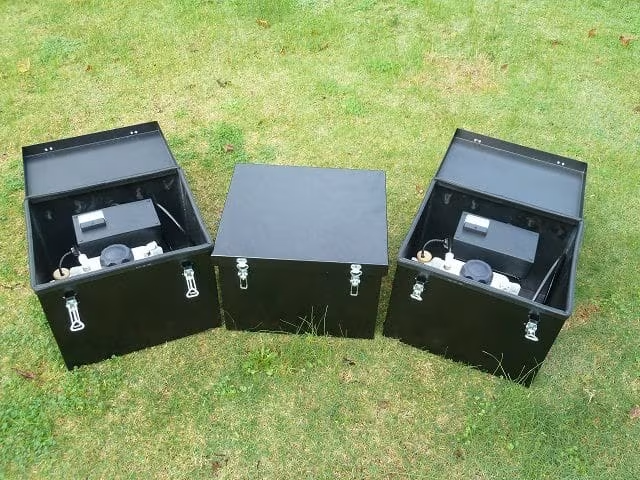
Brilliant Invention Gen 20 Hydrogen Generator ---(update Feb 7... Full Story

HHO Controller Review for Better Engine Results - Nov... Full Story
HHO Voltage Testing for Reliable Generator Output - Nov... Full Story
Best Hydrogen Kits for Boats by Engine Size -... Full Story
Payment Methods Partner:

© 2026 Hydrogen Fuel Systems Pty Ltd