Brilliant Invention Gen 20 Hydrogen Generator July 2 2026
Brilliant Invention Gen 20 Hydrogen Generator ---(update Feb 7... Full Story



by Gavan Knox MSc, BSc, BEd, Inventor
WhatsApp call +61 403177183
contact gavan@hfuel.com.au
https://hydrogenfuelsystems.com.au
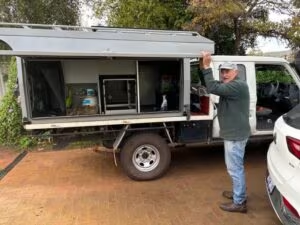
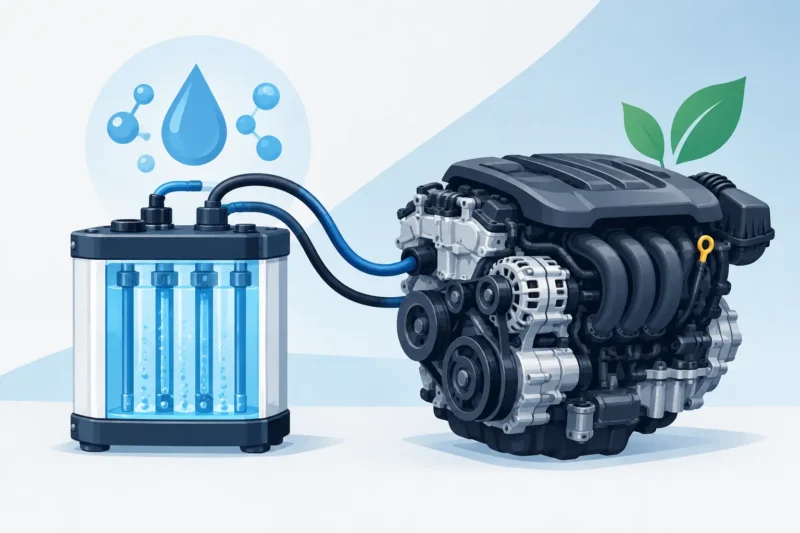
4WD HHO Installation Example for Touring Diesels. A proper 4WD HHO installation example is not a cell strapped beside the battery with a few wires run across the engine bay. On a touring diesel, every component has to survive heat, vibration, corrugations, water crossings and long hours under load. Do it cleanly and correctly, and you have a system built to support more efficient combustion without compromising service access or reliability.

This example follows the practical approach used for a typical late-model 3.0-litre turbo-diesel 4WD or ute used for towing, site work and outback touring. The exact system size, injection point and wiring layout must suit the engine and available space, but the installation principles remain the same.
A 4WD that spends its life doing school runs has different demands from one hauling a caravan across the Nullarbor or carrying tools around a work site. Before selecting a hydrogen generator system, inspect the engine bay, battery layout, air intake route, accessory placement and areas exposed to exhaust heat.
For a diesel 4WD, system sizing should be based on engine capacity, operating load and the vehicle’s normal duty cycle. A smaller system may suit a lightly worked vehicle, while a larger-capacity unit can be more appropriate for a bigger engine, consistent towing or commercial use. Oversizing without a proper application plan is not the goal. The objective is a matched system that produces the required gas volume and remains stable in real operating conditions.
This is also the point to assess the charging system. An HHO kit is an electrical accessory, so battery condition, alternator output, terminals and earth connections need to be sound before installation starts. Fitting any accessory to a weak electrical system is a shortcut to faults, not fuel savings.

On a typical turbo-diesel 4WD, the hydrogen generator cell is mounted on a rigid bracket in a cool, accessible section of the engine bay. The preferred location is away from turbocharger heat, exhaust manifolds, drive belts and moving components. It must also be positioned where the unit can be inspected, topped up and serviced without removing half the vehicle.
The cell is mounted upright on a strong bracket using suitable fasteners, vibration-resistant mounting and enough clearance around hoses and electrical terminals. A flimsy bracket might survive suburban driving, but it will not inspire confidence after hundreds of kilometres of corrugated tracks. Treat the mounting system as seriously as any other under-bonnet accessory.
The reservoir is then positioned where fluid level can be checked easily. It needs to sit securely, away from direct heat and protected from rubbing, pinching or impact. Hoses should take a clean route between the reservoir and generator, with no tight bends, low-hanging loops or sections likely to chafe on metal edges.
A quality installation looks deliberate. Hoses are clipped, wiring is protected in conduit, terminals are sealed, and every component remains accessible for servicing. If the job looks untidy on day one, it will usually become a fault-finding exercise later.
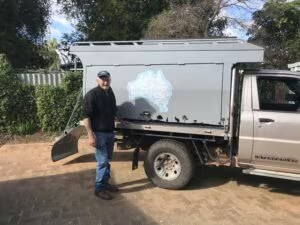
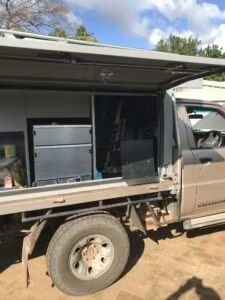

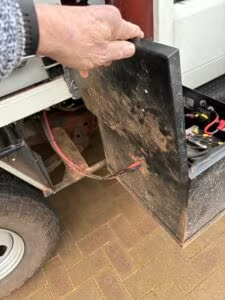
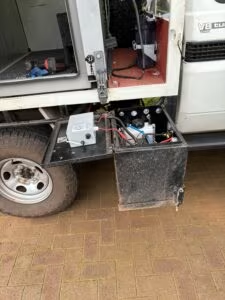

The gas line runs from the generator through the required safety components and into the approved intake location for that vehicle. The routing must stay clear of heat sources, sharp edges and moving parts. It should be secured at regular intervals rather than left loose to vibrate against the engine bay.
The intake connection is vehicle-specific. Some engines provide a straightforward intake path, while others require more planning because of intercooler plumbing, sensors, airboxes and limited space. The injection point must not interfere with factory sensors, compromise intake sealing or create an air leak. Never guess your way through this part of the job.
Use the specified fittings and clamps, then check the full line for leaks, restrictions and contact points before operating the system. A gas line routed with care is safer, easier to inspect and far more likely to stay reliable through rough Australian conditions.

The power feed should be run directly from the battery through correctly rated circuit protection. A relay or ignition-controlled supply ensures the system operates only when intended, rather than remaining live whenever the battery is connected. Cable size, fuse rating and controller settings must match the selected system and manufacturer specifications.
Run positive cables in protective conduit and keep them away from exhaust components, steering shafts, belts and sharp brackets. Earth connections need bare, clean metal and a secure fastener. Poor earthing creates voltage drop, inconsistent operation and unnecessary troubleshooting.
On a well-finished installation, the fuse holder is accessible, the relay is protected from water and heat, and the wiring is secured with quality clips or ties. Avoid routing cables across the top of the engine or leaving them where a bonnet strut, vibration or routine servicing can damage the insulation.
If the vehicle has dual batteries, a smart alternator, auxiliary charging equipment or multiple aftermarket accessories, take the extra time to confirm the electrical strategy. Modern 4WD wiring can become complicated quickly. A qualified automotive electrician is the right call where there is any uncertainty.




Before the first run, inspect every fitting, hose, terminal and mounting bolt. Check electrolyte level, confirm the cell is level, and ensure the reservoir cap and hose connections are secure. Verify that the gas line and wiring are not touching hot or moving parts.
Then confirm the electrical side: correct fuse installed, relay operation verified, controller connected as specified and earth points tight. Start the engine and check that the system behaves as intended. Look for abnormal heat, leaks, loose fittings or warning lights. Do not treat commissioning as a five-minute formality.
A professional installation should also preserve normal vehicle servicing. The air filter box, oil dipstick, coolant reservoir, battery terminals and common service points should still be reachable. Saving a few minutes during fitting is not worth making every future service harder.
The most convincing result is one you can track. Before fitting an HHO system, record fuel use over several full tanks, along with kilometres travelled, towing load, average speed, terrain and driving conditions. After installation, keep measuring under comparable conditions.
A 4WD’s fuel figures can move dramatically because of headwinds, tyre pressures, roof racks, trailer weight, sand driving, idling time and driver behaviour. One impressive tank is not enough evidence. A record across several operating cycles gives you a clearer picture of what the vehicle is doing.
The same discipline applies to engine response. Note towing performance, throttle feel, hill climbing and exhaust behaviour in normal work. Hydrogen Fuel Systems is built for owners who want practical engine efficiency gains, not vague claims that cannot be checked at the bowser or on the job.
The most common installation failures are not complicated. They are poor mounting, undersized wiring, unprotected cables, bad earths, loose hoses and a cell placed too close to heat. These issues can create faults that have nothing to do with the generator itself.
Another mistake is selecting a kit based only on the biggest advertised output. Your 4WD needs a system matched to its engine and working conditions, not a random collection of components. Correct sizing, proper installation and consistent monitoring produce the result worth paying for.
For a touring rig, work ute or hard-working diesel, the best installation is the one you can trust after the engine bay is covered in red dust and the vehicle is still hundreds of kilometres from home. Build it neatly, check it properly, and let the fuel records show the value.
by Gavan Knox MSc, BSc, BEd, Inventor
WhatsApp call +61 403177183
contact gavan@hfuel.com.au
https://hydrogenfuelsystems.com.au
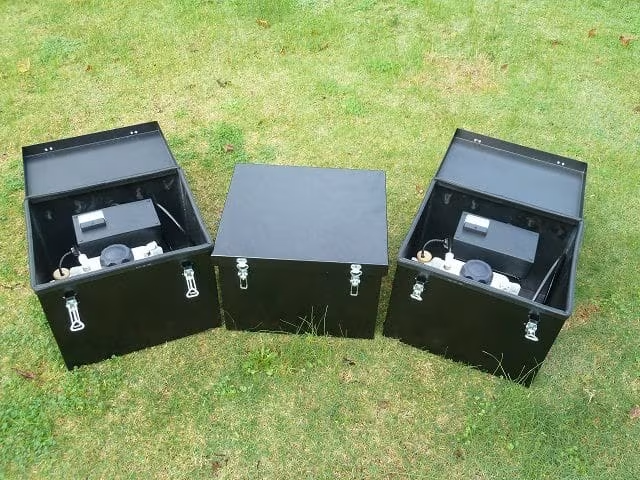
Brilliant Invention Gen 20 Hydrogen Generator ---(update Feb 7... Full Story
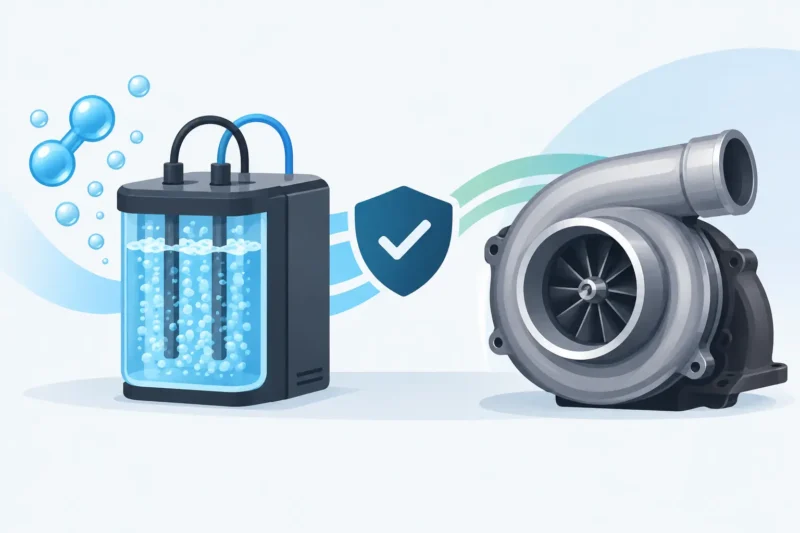
Will HHO Affect Turbochargers? Facts That Matter - Nov... Full Story
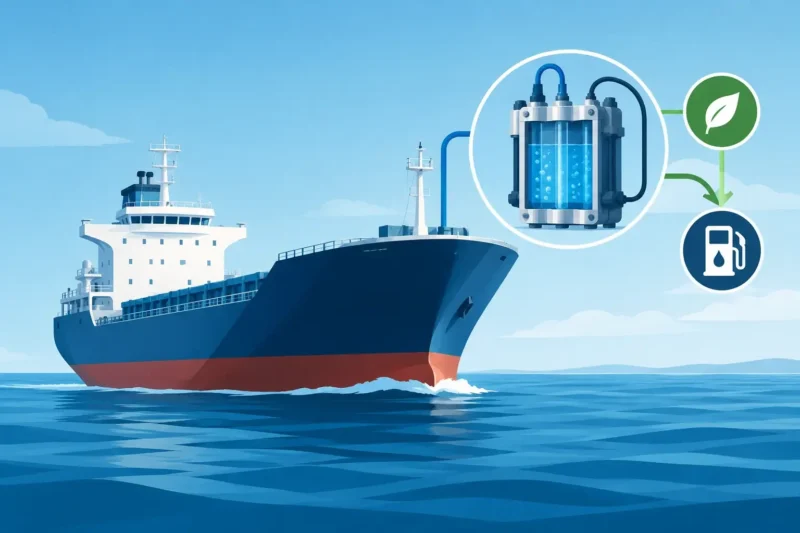
Marine Vessel HHO Fuel Trial for Real Fuel Savings... Full Story
HHO Kits That Make Hard-Working Engines Work - Nov... Full Story
Payment Methods Partner:

© 2026 Hydrogen Fuel Systems Pty Ltd