Brilliant Invention Gen 20 Hydrogen Generator July 2 2026
Brilliant Invention Gen 20 Hydrogen Generator ---(update Feb 7... Full Story
Perth, West Australia




by Gavan Knox MSc, BSc, BEd, Inventor
WhatsApp call +61 403177183
contact gavan@hfuel.com.au
https://hydrogenfuelsystems.com.au
A hydrogen generator is only as effective as the electrical control behind it. The best HHO power supplies do not simply push maximum current into a cell. They deliver stable, controlled power that suits the alternator, the engine duty cycle and the size of the HHO system. Get this part right and you give the generator the consistent output it needs to support cleaner combustion, stronger torque and lower fuel use.
For a commuter car, a high-hour generator, a loaded work ute or a road train, the right power supply is not a cosmetic extra. It is the component that protects the cell, protects the vehicle wiring and makes the entire installation perform as intended.
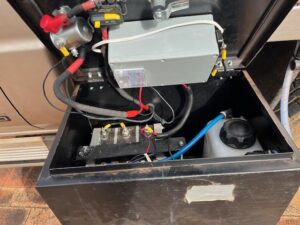
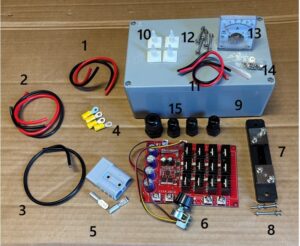
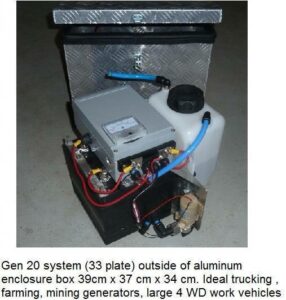
The cheapest way to power an HHO cell is to run it directly from the battery through a relay and fuse. That may work in a basic setup, but it gives the cell very little control. Alternator voltage rises after start-up, engine load changes across the day, electrolyte temperature increases, and current can climb beyond the level that produces efficient gas generation.
That is where a proper HHO power supply earns its place. Its job is to regulate the energy sent to the generator rather than letting the system draw whatever it can. Controlled current means more predictable hydrogen production, less unnecessary heat and a better chance of maintaining a useful operating range over long kilometres.
A quality unit should be selected for three things: the cell’s current requirement, the vehicle’s charging system and how hard the engine works. A small petrol hatchback and a diesel generator running for eight hours are not the same job. Neither should be fitted with the same electrical settings by default.
The goal is not the highest amp figure on a product label. The goal is efficient, repeatable output without overloading the alternator or cooking the electrolyte.
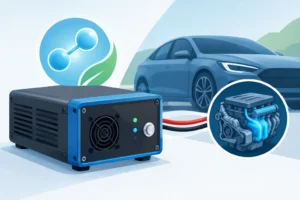
Start with the size of the hydrogen generator. Larger HHO systems designed for trucks, 4WDs, marine engines and stationary plant generally require a higher controlled current capacity than a compact car kit. But bigger is not automatically better. A controller that is far oversized for the cell can make adjustment less precise, while an undersized unit can run hot, limit output or fail under sustained use.
Your installation should have a defined target current range based on the generator design and the application. That target needs to account for the electrical load already on the vehicle. Headlights, air-conditioning, fridge systems, winches, work lights and auxiliary batteries all place demands on the charging system. On a fleet truck or trade vehicle, those loads are rarely theoretical.
Before choosing a supply, confirm the alternator’s available capacity at normal operating speed. An alternator may carry a high maximum rating, but it does not necessarily deliver that output at idle. If your HHO system is drawing heavily while the vehicle is crawling through traffic or idling at a site, voltage stability matters more than a peak figure in a catalogue.
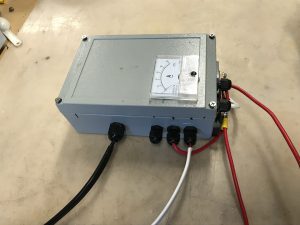
Pulse-width modulation, commonly called PWM, is one of the most practical options for controlling an HHO generator. Rather than feeding continuous battery voltage to the cell, a PWM controller switches power rapidly and adjusts the effective current delivered.
The benefit is control. A properly rated PWM lets an installer set the cell to a sensible draw, then fine-tune it after observing operating temperature, voltage behaviour and system performance. This matters on diesel vehicles where the engine may spend long periods under load, as well as marine and generator applications where run time can be substantial.
PWM control is not a licence to keep turning the dial up. Excess current creates heat, accelerates electrolyte loss and can produce unstable results. The best setting is the one that gives consistent operation within the generator’s intended range, not the setting that makes the most bubbles in a workshop test.
A current-limiting power supply is a strong choice where operating consistency is the priority. It is designed to restrict output to a nominated level even when voltage and conditions change. That makes it particularly useful for commercial vehicles, machinery and generators where the system needs to keep working without constant attention.
For owner-drivers, this means fewer surprises after a long day on the road. For fleet operators, it makes installations easier to standardise across similar vehicles. If a system has been set up with documented current targets, a current-limiting supply helps keep every unit closer to that target.
The trade-off is flexibility. If the vehicle or cell setup changes, the limit may need to be recalibrated. That is a minor job compared with the cost of running a poorly controlled system for months.
An HHO electrical circuit sits in a demanding environment. Under-bonnet heat, vibration, moisture, dust and voltage spikes are normal conditions in Australian vehicles. A power supply with no meaningful protection may appear cheaper on day one, but it can become the weakest link in the system.
Look for protection against over-current, short circuits and overheating. Reverse-polarity protection is also worthwhile, particularly where batteries are replaced or work is carried out by more than one person. Voltage spike protection matters on vehicles with heavy electrical loads, and proper heat dissipation is essential when the controller is mounted in an enclosed engine bay.
The controller must also be paired with correctly sized cable, terminals, fusing and a relay or ignition-switched trigger where required. A premium controller cannot compensate for thin cable, loose crimping or an unfused battery feed. Electrical resistance turns into heat, and heat is wasted energy.
Mount the unit where it is protected from direct water spray and excessive exhaust heat, while still allowing airflow. Avoid hanging it from wiring or fixing it to a surface that vibrates heavily. A neat installation is not just about appearance. It improves reliability and makes fault-finding faster.
Cars and light utes usually benefit from compact, adjustable control that does not place unreasonable demand on a standard alternator. The emphasis is on stable daily operation, clean wiring and a current level matched to the smaller generator.
Heavy diesel vehicles, 4WDs towing regularly and transport applications need more attention to alternator capacity and sustained load. A controller that survives a short test drive may not be suitable for a vehicle that spends hours at highway speed with accessories running. For these jobs, choose a unit rated for continuous duty, not just an attractive maximum rating.
Marine installations need additional care around moisture, corrosion and cable routing. Generators and stationary engines need stable power over long operating periods, often without the changing engine speeds seen on the road. In both cases, controlled current and component protection are central to dependable results.
If the vehicle has a smart alternator, battery management system or stop-start function, assess the charging behaviour before fitting the HHO power supply. These systems can reduce voltage under certain conditions, which changes what the cell sees. The answer may be a revised control strategy, not simply more current.
An amp rating tells you part of the story, but not enough. Ask whether the rating is continuous or peak, whether the unit has genuine thermal protection, how it handles heat, and whether its wiring terminals are built for the cable size required. A controller advertised with a huge number but poor heat management is false economy.
Also consider adjustment accuracy. A control knob with no reference point makes repeatable tuning difficult. If you service multiple vehicles or run a fleet, record the current setting, cable size, fuse rating and generator type for every installation. That documentation helps maintain performance and prevents guesswork when a vehicle returns for servicing.
Hydrogen Fuel Systems focuses on matched components because the generator, wiring and power control need to operate as one system. A correctly sized HHO kit cannot deliver its best result if the electrical supply is unstable, undersized or set up to overdrive the cell.
Once the power supply is installed, verify the current draw with a suitable meter rather than relying on a dial position. Check it after the engine has reached operating temperature, then inspect the wiring and controller after a normal drive or work cycle. If the controller is excessively hot, the cable is warm, or electrolyte consumption is unusually high, investigate before increasing output.
Track fuel use over a meaningful distance or operating period. One tank of fuel is rarely enough to judge an improvement, especially with changing loads, wind, traffic and driving style. Fleet and machinery operators should compare like-for-like work where possible: similar payload, route, run hours and fuel type.
The best HHO power supply is the one that gives your generator controlled, repeatable output without adding electrical stress to the vehicle. Choose it as carefully as you choose the cell itself, install it properly, and let measured operating results guide the final setting.
by Gavan Knox MSc, BSc, BEd, Inventor
WhatsApp call +61 403177183
contact gavan@hfuel.com.au
https://hydrogenfuelsystems.com.au
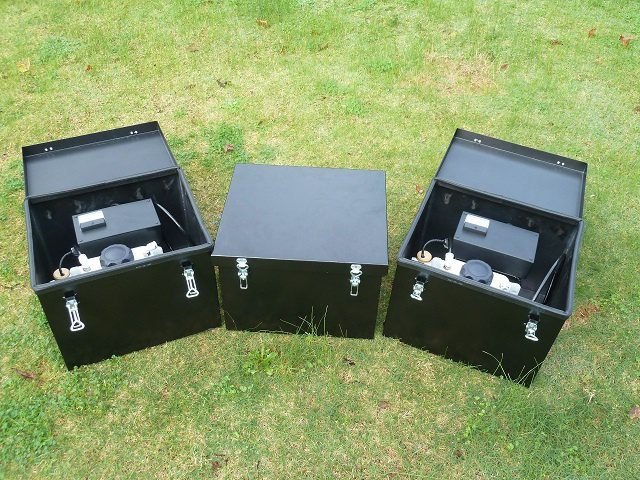
Brilliant Invention Gen 20 Hydrogen Generator ---(update Feb 7... Full Story

by Gavan Knox HFS whats app +61 403177183 gavan@hfuel.com.au... Full Story
A diesel that is smoking, using more fuel or... Full Story
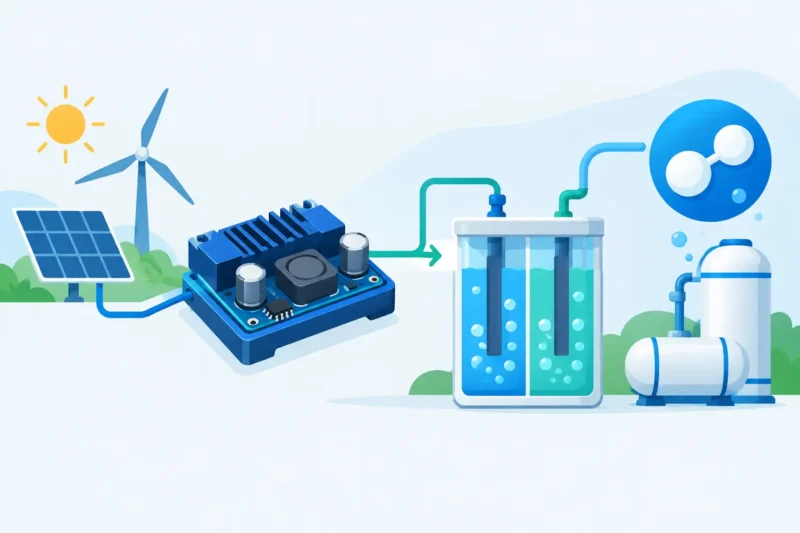
How Do DC-DC Boost Regulators Affect Hydrogen Gas Production?... Full Story
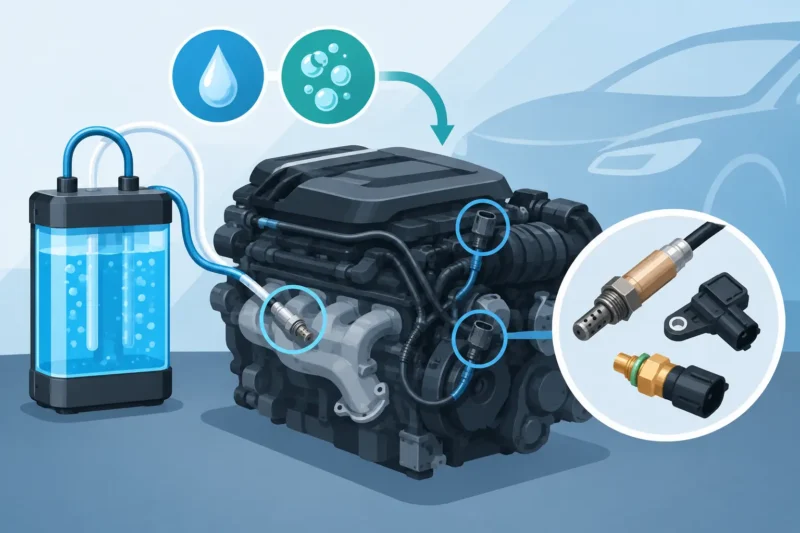
## Can HHO Affect Engine Sensors? What to Check... Full Story
Payment Methods Partner:

© 2023 - Hydrogenfuelsystems pty ltd