Brilliant Invention Gen 20 Hydrogen Generator July 2 2026
Brilliant Invention Gen 20 Hydrogen Generator ---(update Feb 7... Full Story
Perth, West Australia




by Gavan Knox MSc, BSc, BEd, Inventor
WhatsApp call +61 403177183
contact gavan@hfuel.com.au
https://hydrogenfuelsystems.com.au
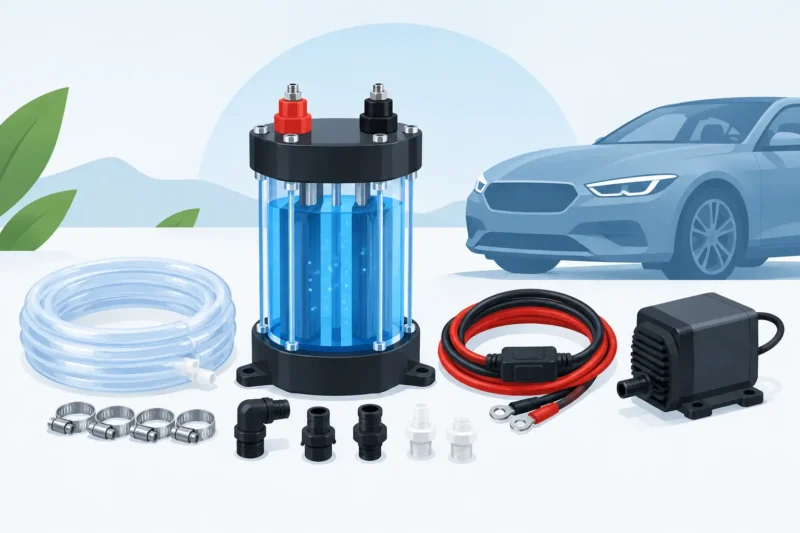
HHO Installation Kit Review for Real-World Buyers – Oct 16. A proper HHO installation kit review is not about admiring a shiny generator under the bonnet. It is about deciding whether the system is built to survive heat, vibration, long kilometres and the workload your engine actually faces. If you run a thirsty ute, diesel 4WD, work truck, boat or generator, a cheap-looking kit that is difficult to wire or impossible to service can cost more in downtime than it ever saves in fuel.
The right HHO system should support cleaner, more complete combustion while fitting the vehicle as a working machine, not a weekend science project. That means correct generator capacity, dependable electrical protection, sensible hose routing, accessible maintenance points and installation information that matches the engine application.
An HHO kit uses electrical power to produce hydrogen and oxygen gas on board, then introduces that gas into the engine intake. The goal is to improve combustion efficiency. For high-use vehicles and equipment, the attraction is obvious: lower fuel use, better engine response and reduced exhaust emissions can all make a meaningful difference to operating costs.
But the generator itself is only one part of the system. A good kit is an engineered package. It should arrive with the major electrical and safety components needed for a professional installation, along with instructions that make it clear where each part belongs and why it is there.
Start with the generator construction. Plate quality, seals, fasteners and the housing all matter because the unit works in a hot, vibrating engine bay. Poor-quality cells can leak, warp, corrode prematurely or produce inconsistent gas output. A well-built generator should feel purpose-designed, with a layout that allows normal inspection, fluid top-ups and servicing without dismantling half the vehicle.
Capacity matters just as much. Fitting an undersized system to a large diesel is unlikely to deliver a worthwhile result. Oversizing a system without considering electrical draw, installation space and operating conditions is no smarter. System selection should reflect engine size, fuel type and duty cycle. A commuter car, towing 4WD, road train, marine engine and standby generator are not the same job.
Buyers often focus on the cell and overlook the components that protect the vehicle. That is where many budget kits fall short. Before purchasing, review the full contents list and ask whether the kit includes the hardware needed to install safely and sensibly.
A practical package should account for the power supply, fused wiring, relay or ignition-controlled switching, connectors, water reservoir, tubing, filters and safety devices that prevent fluid or flame travelling in the wrong direction. Mounting hardware matters too. A generator secured with improvised brackets will eventually suffer from vibration, especially on corrugated tracks, worksites or rough regional roads.
The electrical side deserves close attention. The unit must only operate when the engine is running, and its current draw must be suited to the vehicle’s charging system. Correct cable sizing, terminal quality and fusing are not optional extras. They protect the wiring loom and make fault-finding far easier down the track.
Water management is another practical test. Look for a reservoir that is easy to check and refill, clear hose routing and filtration that supports a clean gas supply. If a kit forces you to remove covers or reach around hot components just to inspect fluid level, it is poorly thought through for a working vehicle.
Do not accept vague answers about what is supplied. Ask for a component list, installation diagram and clear confirmation of which items are application-specific. A complete kit reduces guesswork. It also prevents the all-too-common situation where an installer has the main unit but needs to source crucial fittings halfway through the job.
There is no universal mounting point that suits every engine bay. A review worth trusting looks beyond advertised compatibility and considers actual fitment. Under-bonnet space varies dramatically between late-model utes, older diesels, petrol sedans and heavy equipment. Heat sources, air intake position, battery location and service access all need to be considered before drilling a single hole.
The generator needs a stable, cool-as-practical location away from direct exhaust heat and moving parts. The reservoir must remain accessible. Hoses need to be routed away from sharp edges and high-temperature areas, while the gas entry point should be selected for even distribution and minimal restriction.
For turbo-diesel applications, intake pressure and plumbing layout require particular care. For marine and generator work, constant load and long run times make secure mounting, electrical protection and service access even more important. A system that works neatly on a light passenger vehicle may need a different configuration for a hard-working diesel generator.
This is why application guidance is valuable. Hydrogen Fuel Systems offers multiple generator sizes, including Gen 10, Gen 15, Gen 20 and Gen 25 systems, because engine demand is not one-size-fits-all. The useful question is not, “Will it fit?” It is, “Which system size and mounting arrangement suit the engine, the workload and the available space?”
Even premium components cannot compensate for careless installation. A clean installation is not just about appearance. It protects reliability, simplifies routine checks and gives the system the best chance to perform consistently.
Use proper brackets and fasteners rather than cable ties as a permanent mounting solution. Protect wiring with suitable conduit where needed, secure hoses at regular intervals and keep all lines clear of belts, fans and exhaust components. Any hole through metal should be protected with a grommet. These small details separate a system that lasts from one that creates avoidable failures.
After installation, inspect the system before regular use. Check for secure terminals, correctly rated fuses, tight hose connections, stable generator mounting and no signs of fluid leaks. Then recheck after the first period of operation. Heat cycles and vibration can reveal a loose fitting that was not obvious in the workshop.
Vehicle electronics also need respect. Modern engines use sensors and control systems that should never be bypassed, damaged or treated as an afterthought. Where vehicle-specific tuning or control adjustments are recommended, they should be carried out with accurate technical advice. Keep the installation compliant with applicable Australian vehicle, electrical and emissions requirements, and consider warranty obligations before modifying a newer vehicle.
Fuel savings are the reason most buyers start looking at HHO, but a serious review does not promise one identical percentage for every vehicle. Results depend on engine condition, route, load, idling time, driving style, fuel quality and how accurately fuel use is measured.
A well-maintained fleet vehicle running a consistent route gives a much clearer result than a 4WD used for mixed city driving, towing and weekend tracks. The same applies to generators: compare litres consumed against equivalent run hours and load, not a rough impression from a single day.
Record kilometres, litres, hours, payload and typical operating conditions before fitting the kit. Continue recording the same information afterwards over enough time to remove the effect of traffic, weather and one unusually heavy load. If fuel reduction is the target, calculate it per 100 kilometres or per operating hour. If engine response matters, record towing behaviour, hill performance and throttle feel under repeatable conditions.
This method also exposes whether the system is being maintained properly. A sudden change in results can point to low fluid level, a blocked filter, a wiring issue or an unrelated engine problem that needs attention.
The best HHO kit is not always the cheapest carton on the shelf. Price matters, but so do technical documents, replacement parts, system sizing advice and someone who can answer a direct question when your installation is in progress. A kit with clear manuals, test information and serviceable components is a business tool. A kit with no local support is a gamble.
For owner-drivers, fleet operators and machinery users, assess the purchase against the cost of fuel, the vehicle’s annual workload and the time available for correct installation and maintenance. High-fuel-use applications generally have more room for a return, provided the system is correctly matched and properly installed.
Choose the kit that is built for the work, not the marketing photo. Measure the engine bay, confirm the electrical requirements, demand the full component list and keep accurate fuel records once it is fitted. That is how an HHO system becomes a practical operating-cost decision rather than another accessory under the bonnet.
Thursday, October 15, 2026
Brilliant Invention Gen 20 Hydrogen Generator ---(update Feb 7... Full Story

by Gavan Knox HFS whats app +61 403177183 gavan@hfuel.com.au... Full Story
HHO Installation Kit Review for Real-World Buyers - Oct... Full Story
HHO Cable Sizing Guide for Reliable Installs - Oct... Full Story

Does HHO Affect Engine Oil? What Drivers See -... Full Story
Payment Methods Partner:

© 2023 - Hydrogenfuelsystems pty ltd