Brilliant Invention Gen 20 Hydrogen Generator July 2 2026
Brilliant Invention Gen 20 Hydrogen Generator ---(update Feb 7... Full Story
Perth, West Australia




by Gavan Knox MSc, BSc, BEd, Inventor
WhatsApp call +61 403177183
contact gavan@hfuel.com.au
https://hydrogenfuelsystems.com.au
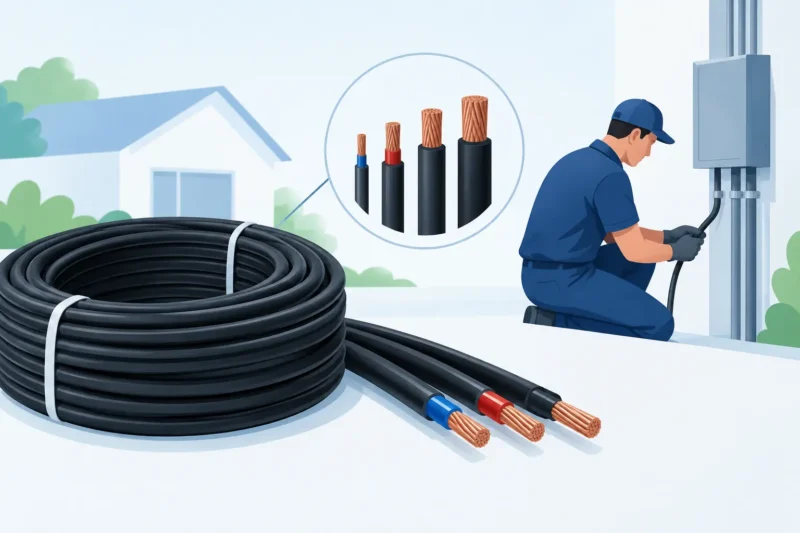
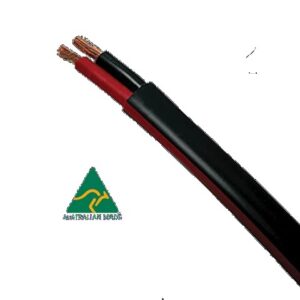
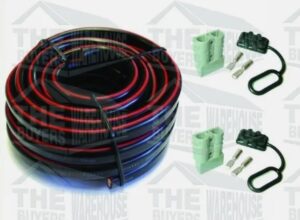
This 8mm B&S recommended HHO system cable is available from our shop… Click this link to see .
HHO Cable Sizing Guide for Reliable vInstalls – Oct 15. A hydrogen generator can be perfectly matched to the engine, correctly mounted and filled with the right electrolyte, yet still underperform because of one basic fault: undersized power cable. This HHO cable sizing guide shows how to build a supply circuit that delivers stable current to the cell without excessive voltage drop, hot terminals or nuisance fuse failures.
For a 4WD crossing the Pilbara, a working ute doing daily stop-start runs, or a diesel generator carrying a constant load, cable selection is not a minor installation detail. It determines whether the HHO system receives the power it was designed to use. Get the wiring right from the battery forward and you protect the vehicle, the HHO equipment and the return you expect from improved combustion.
HHO generators are high-current 12V accessories. Unlike a small LED light or dashboard gauge, the cell can draw sustained current for long periods while the engine is operating. Every metre of cable adds resistance. Resistance creates voltage drop and heat.
When voltage at the HHO cell falls, output can reduce. The installer may then be tempted to alter electrolyte concentration or bypass a protective component to chase more production. That is the wrong fix. A properly sized cable, clean connections and a suitable relay should come first.
Undersized cable also works against the vehicle charging system. Heat at a fuse holder, relay terminal or crimp is wasted energy. On a commercial vehicle or marine application where the system runs for hours, that loss is not theoretical. It is a reliability problem waiting to show itself.
Do not choose cable based on the physical size of the vehicle or the size of the engine. Choose it from the HHO unit’s specified operating current, then allow for cable length, ambient heat and the type of installation.
The stated current draw in the system documentation is the starting point. If your cell is designed to draw 20 amps, size the supply wiring for a continuous 20-amp load, not for a momentary 20-amp test reading. A system used on a generator, boat or long-haul truck deserves additional margin because it operates continuously and may be exposed to engine-bay heat.
Cable cross-sectional area is measured in mm². Ignore vague descriptions such as ‘heavy-duty wire’. Two cables can look similar on the outside but have very different copper content. Use quality automotive cable with fine-strand copper conductors, oil-resistant insulation and a clearly stated mm² rating.
The table below is a conservative starting point for a positive supply cable with a one-way battery-to-relay-to-cell distance of up to roughly two metres. Longer runs need larger cable. The earth return must be equally capable, whether it runs directly back to the battery or through a verified, clean chassis earth point.
| Continuous system current | Minimum copper cable size | Typical use case | |—|—:|—| | Up to 10A | 2.0 mm² | Smaller HHO systems and short runs | | Up to 15A | 3.0 mm² | Light vehicle installations | | Up to 20A | 4.0 mm² | Medium-output systems | | Up to 30A | 6.0 mm² | Higher-output 4WD, marine or generator systems | | Up to 40A | 8.0 mm² | Heavy-duty continuous-duty applications | | Up to 50A | 13.0 mm² | Large systems or longer cable routes |
These figures are not permission to fit the smallest possible cable. If the run passes from the battery in the engine bay to equipment mounted at the rear of a wagon, in a canopy, or beside a generator control panel, increase the cable size. At 12V, voltage drop becomes expensive very quickly.
A simple rule applies: the longer the run and the higher the current, the larger the conductor required. Both the positive and negative paths matter. If you run a dedicated negative cable back to the battery, calculate the total distance out and back. If you use a chassis earth, the earth path still needs to be sound, clean and capable of handling the load.
For most 12V HHO installations, aim to keep voltage drop below 3 per cent under operating load. On a charging system running around 13.8 to 14.4V, the cell should see close to charging voltage once the engine is running. A significant difference between battery voltage and voltage measured at the cell terminals points to cable resistance, a poor earth, an undersized relay or a failing connection.
Measure it instead of guessing. With the engine running and the HHO system switched on, measure voltage at the battery terminals and then at the HHO cell terminals. If the loss is more than a few tenths of a volt, inspect the circuit before changing any cell settings.
The fuse exists primarily to protect the cable from becoming a heating element if there is a short circuit. Fit it as close as practical to the battery positive terminal, ideally within 150 mm. A fuse installed metres down the cable leaves the unprotected section vulnerable if it rubs through on a bracket or contacts metalwork.
Fuse rating depends on the expected operating current and the cable’s safe capacity. A common approach is to select a fuse around 125 per cent of the normal continuous current, provided the fuse rating remains below the cable’s allowable current rating. For example, a system that normally draws 20A may use a 25A fuse with cable sized to comfortably support it.
Do not keep fitting larger fuses because one blows. Find the cause. It may be a shorted cable, loose terminal, incorrect relay wiring, excess cell current or a corroded connection. A larger fuse can turn a simple fault into damaged wiring.
The ignition circuit should not carry the HHO cell’s full current. Use an automotive relay so the ignition source only energises the relay coil while the main battery feed supplies the HHO unit through the fused heavy cable.
Choose a quality relay with a continuous current rating above the expected load. A 30A relay may be adequate for a smaller system, but it is not the right choice for a unit that can operate near 30A for extended periods. For higher-current installations, use a 40A or 70A relay, or a purpose-built continuous-duty contactor where required.
Mount the relay away from direct exhaust heat and water spray. Keep the high-current wiring short, terminate it properly and protect it in split conduit or abrasion-resistant sleeving. Routing a cable through a sharp firewall hole without a grommet is not an installation. It is a future breakdown.
A clean battery positive feed cannot compensate for a poor earth. If using a chassis earth, select a solid point close to the HHO unit, remove paint to expose clean metal, use a correctly sized ring terminal and secure it with a serrated washer or proven fastening method. Seal the finished connection against corrosion.
For high-current systems, direct return-to-battery negative wiring is often the more dependable option. It adds cable length and cost, but it removes uncertainty from painted panels, corroded body joins and marginal factory earth straps. This matters particularly on older utes, machinery and marine installations.
Before operating the HHO system, check the complete circuit under load. The following checks prevent most wiring-related failures:
Hydrogen Fuel Systems installation components and system documentation are designed to make this process straightforward, but every vehicle is different. A compact passenger vehicle, a road train prime mover and a marine diesel each present different cable lengths, mounting options and electrical demands.
A correctly sized cable costs far less than chasing intermittent faults, replacing burnt connectors or losing HHO output when the vehicle is working hardest. Build the power circuit with the same care you would give a winch, auxiliary battery or high-load pump, then let the system deliver the stable performance it was built for.
by Gavan Knox MSc, BSc, BEd, Inventor
WhatsApp call +61 403177183
contact gavan@hfuel.com.au
https://hydrogenfuelsystems.com.au
Thursday, October 15, 2026
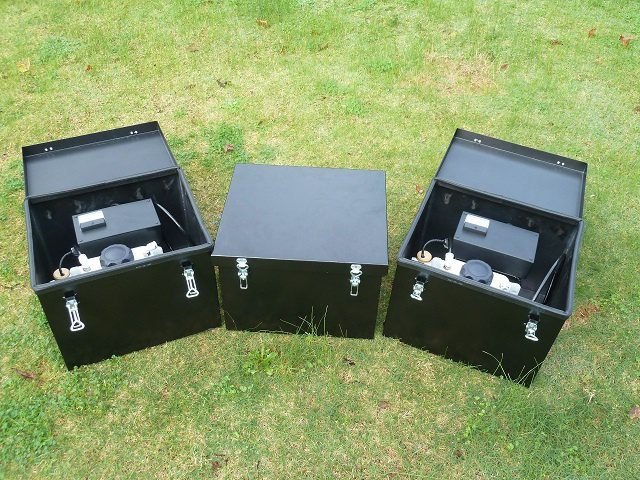
Brilliant Invention Gen 20 Hydrogen Generator ---(update Feb 7... Full Story

by Gavan Knox HFS whats app +61 403177183 gavan@hfuel.com.au... Full Story
HHO Cable Sizing Guide for Reliable Installs - Oct... Full Story
Does HHO Affect Engine Oil? What Drivers See -... Full Story

Best Vehicles for HHO Upgrades in Australia - Oct... Full Story
Payment Methods Partner:

© 2023 - Hydrogenfuelsystems pty ltd