Brilliant Invention Gen 20 Hydrogen Generator July 2 2026
Brilliant Invention Gen 20 Hydrogen Generator ---(update Feb 7... Full Story


by Gavan Knox MSc, BSc, BEd, Inventor
WhatsApp call +61 403177183
contact gavan@hfuel.com.au
https://hydrogenfuelsystems.com.au
How Boost Regulators Affect Hydrogen Gas Production – Oct 2. A hydrogen cell does not respond to marketing voltage figures. It responds to the real electrical power reaching its plates under load. So, how do step up boost power supply voltage regulator stabilisers affect hydrogen gas production? They can help an HHO system maintain a controlled operating supply when vehicle voltage moves around, but only when the regulator, wiring, cell size and current limit are matched properly.
For a ute, truck, 4WD, boat or generator working hard, that distinction matters. A weak or unstable supply can reduce gas output, create inconsistent results and put unnecessary stress on electrical components. An oversized boost setup can do the opposite: drive excessive current, heat the electrolyte and turn a useful hydrogen enhancement system into a maintenance problem.
Hydrogen gas production in an HHO cell is fundamentally tied to current flow through the electrolyte. As electrical current passes between the plates, water is split into hydrogen and oxygen gas. More current generally produces more gas, up to the point where heat, plate design, electrolyte concentration and system capacity become the limiting factors.
A vehicle electrical system is not a laboratory power supply. Battery voltage may sit around 12 volts with the engine off, then rise into the mid-13 to 14-volt range once the alternator is charging. It can also dip under heavy demand from lights, thermo fans, winches, air compressors or accessories. Marine and generator applications can have their own charging variations.
A step-up boost converter raises a lower DC input voltage to a higher controlled output voltage. A voltage regulator stabiliser is designed to keep that output closer to its set point as input conditions change. When correctly applied, this can give the hydrogen cell a more consistent electrical feed and therefore a more consistent gas-production rate.
That does not mean a boost regulator creates free power. It draws power from the vehicle charging system. If it increases output voltage, it must draw corresponding current at the input, plus conversion losses. The alternator still carries the load. The benefit is control, not magic energy.
Voltage is only half the picture. A hydrogen cell can draw sharply different current depending on electrolyte strength, temperature, plate spacing, plate condition and gas production demand. Simply forcing higher voltage into the cell without managing current is a fast way to create excess heat.
As the electrolyte warms, its resistance usually drops. The cell can then pull more current, which creates more heat again. This cycle can lead to hot wiring, accelerated plate wear, excessive water consumption and unstable gas output. In severe cases, it can damage the power supply, fuse holders, connectors or the cell itself.
The best power arrangement is not necessarily the one with the highest voltage reading. It is the arrangement that delivers the required current consistently while keeping cable temperature, electrolyte temperature and component ratings within safe operating limits.
For this reason, a properly configured regulator may include current limiting, thermal protection and input/output protection. A simple boost converter with an adjustable voltage knob may look attractive, but it is not automatically suitable for continuous under-bonnet use. Automotive electrical systems are harsh. Heat, vibration, voltage spikes, moisture and poor earth connections expose weak components quickly.
When voltage at the cell drops, current may fall and gas production follows. On a lightly loaded system, the reduction might be minor. On a larger generator or a system with long cable runs, undersized wiring or corroded terminals, voltage drop can be substantial.
This is why a cell that performs well during a workshop test may produce less gas once fitted to a vehicle. The battery may be sound, but voltage is being lost through thin cable, poor crimp terminals, a weak relay, an unsuitable earth point or a connection that has started to corrode.
A boost stabiliser can compensate for some input variation. It cannot fix fundamentally poor wiring. If the unit is working hard to overcome voltage loss caused by undersized cable, it will draw more input current and run hotter. Sort the supply path first.
Higher voltage can increase current draw and gas output, but only within the cell’s intended operating range. Past that point, more electrical input often becomes heat rather than productive gas generation. The electrolyte can become hot, water level can drop faster and the system can become harder to tune.
More gas is not always better either. An HHO system must be matched to engine size, duty cycle and installation layout. A small passenger vehicle, a high-load diesel truck and a stationary generator do not need the same electrical configuration. Oversupplying a smaller cell does not create a smarter system. It creates avoidable strain.
Start with the hydrogen generator’s required operating current, not with the biggest voltage number advertised on a power supply. The cell manufacturer should provide a target range based on the generator size and intended application. That target informs the regulator rating, cable size, fuse protection and relay specification.
A regulator should be rated for continuous operation above the expected load, not merely its short-term peak claim. Heat is the enemy of DC electronics, especially in an engine bay. Allow headroom and mount the unit where it can shed heat while remaining protected from direct water spray, exhaust heat and mechanical damage.
The supply wiring must also be fit for purpose. High-quality cable, correctly crimped terminals, an appropriate fuse close to the battery and a solid chassis or battery-negative return all matter. Voltage regulators cannot compensate for careless installation.
For systems switched by ignition, use a suitably rated relay or controller so the cell cannot continue running when the engine is off. This protects the battery and prevents unnecessary gas production. On vehicles with smart alternators or stop-start systems, voltage behaviour can be more variable, making correct control strategy even more valuable.
Hydrogen Fuel Systems installation guidance is designed around matching the generator, electrical supply and vehicle application rather than applying a one-size-fits-all voltage setting. That approach is what keeps an HHO installation serviceable in real conditions, not just impressive on a bench test.
A stabilised boost supply can make sense where charging voltage fluctuates or where a particular HHO cell needs a controlled input to maintain predictable operation. It may help deliver steadier gas production across changing engine speeds and accessory loads.
But it also introduces another electronic component, another heat source and another point that must be installed correctly. A quality converter with adequate protection is preferable to a cheap unit pushed to its limit. If the alternator is already heavily loaded by work lights, refrigeration, winches, pumps or auxiliary batteries, assess total electrical demand before adding any continuous load.
For fleet and commercial operators, the practical question is straightforward: does the system produce repeatable results without creating downtime? A well-matched regulator supports that goal. An incorrectly selected one can create faults that cost more than the savings it was meant to support.
The right way to assess a regulator is under real operating load. Measure voltage at the battery and directly at the hydrogen cell with the engine idling, at normal cruising revs and with major accessories switched on. Also check current draw using an appropriate DC clamp meter.
Watch for voltage sag, hot terminals, unstable current or a regulator that becomes excessively hot. Check electrolyte temperature after a sustained run, not just immediately after startup. If output rises dramatically as the cell warms, review current control and electrolyte concentration before increasing voltage further.
Gas production should be evaluated alongside engine operation, fuel use and maintenance records. A controlled electrical supply is one part of an effective hydrogen enhancement system. Correct generator sizing, safe installation, clean intake integration and realistic before-and-after measurement are what turn the hardware into a useful operating-cost tool.
A boost regulator is worth fitting when it gives your HHO cell the stable, protected supply it actually needs. Set it for controlled performance, not maximum numbers, and your system has a far better chance of delivering dependable gas output on the road, on the water or at the worksite.
by Gavan Knox MSc, BSc, BEd, Inventor
WhatsApp call +61 403177183
contact gavan@hfuel.com.au
https://hydrogenfuelsystems.com.au
Brilliant Invention Gen 20 Hydrogen Generator ---(update Feb 7... Full Story
Will HHO Affect Turbochargers? Facts That Matter - Nov... Full Story
Marine Vessel HHO Fuel Trial for Real Fuel Savings... Full Story
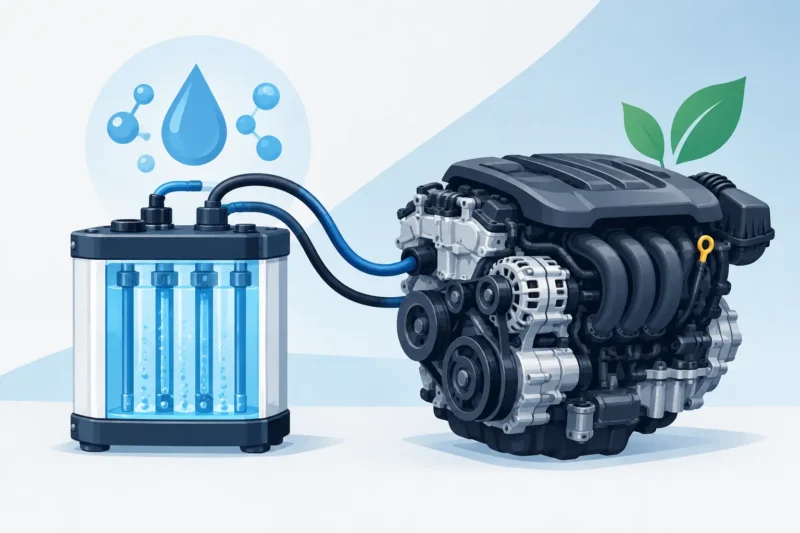
HHO Kits That Make Hard-Working Engines Work - Nov... Full Story
Payment Methods Partner:

© 2026 Hydrogen Fuel Systems Pty Ltd