Brilliant Invention Gen 20 Hydrogen Generator July 2 2026
Brilliant Invention Gen 20 Hydrogen Generator ---(update Feb 7... Full Story


by Gavan Knox MSc, BSc, BEd, Inventor
WhatsApp call +61 403177183
contact gavan@hfuel.com.au
https://hydrogenfuelsystems.com.au
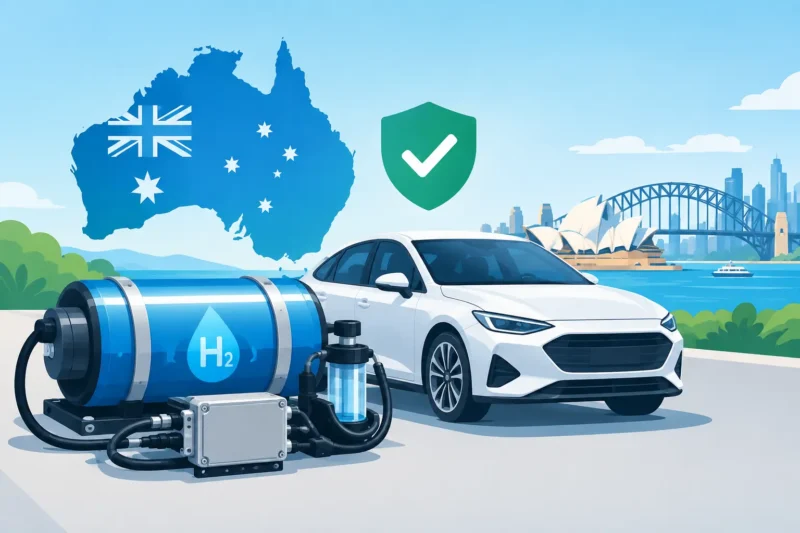
Are Hydrogen Kits Legal for Australian Vehicles. A hydrogen kit can be a smart addition to a hard-working diesel, petrol vehicle, generator or marine engine. But are hydrogen kits legal in Australia? The straight answer is: the kit itself is not automatically illegal, yet the way it is installed and the effect it has on the vehicle determine whether it can stay compliant on public roads.
For fleet operators, owner-drivers and 4WD owners, that distinction matters. A properly fitted hydrogen generator system can be used as an aftermarket efficiency upgrade. A poorly installed system, or one that interferes with emissions equipment or vehicle safety, can create roadworthy, registration and insurance problems quickly.
Australia does not have one simple national rule that says every HHO or hydrogen generator kit is approved, or banned. Vehicle standards are a combination of federal requirements, state and territory registration laws, roadworthiness rules and engineering requirements for certain modifications.
In practical terms, a hydrogen kit must not make the vehicle less safe, cause it to exceed applicable emissions limits, create an electrical hazard, or alter the vehicle in a way that requires approval without getting that approval. The vehicle still needs to meet the requirements that apply where it is registered, whether that is Western Australia, Queensland, New South Wales, Victoria or elsewhere.
This is why serious buyers should ignore blanket claims from either side. Saying every hydrogen system is illegal is wrong. Saying every system can be fitted to every vehicle with no compliance checks is equally wrong. The result depends on the vehicle, the system design, the installation standard and local modification rules.
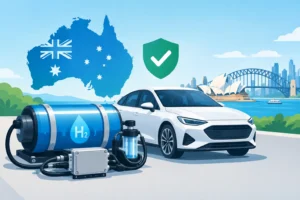
An aftermarket hydrogen generator is a product. A registered ute, truck or passenger vehicle is regulated transport equipment. Those are two different questions.
You can generally purchase an HHO kit, replacement parts, water reservoirs, wiring components and associated hardware. The legal issue begins when the system is installed on a road-registered vehicle. At that point, authorities and insurers may assess whether the modification affects safety, emissions, engine management or the vehicle’s approved configuration.
For off-road equipment, stationary generators, marine applications and machinery used on private property, the compliance pathway can be different. The operator still has a duty to manage safety, but road registration rules may not apply in the same way. That makes hydrogen enhancement particularly relevant for high-hour generators, agricultural equipment and commercial machinery where fuel use is a major operating cost.
A legal installation starts with workmanship. A hydrogen system should be mounted securely, protected from heat and vibration, wired correctly, fused appropriately and kept clear of moving components. The engine bay is not the place for loose wiring, improvised brackets or fittings that can rub through on a rough track.
Hydrogen and oxygen gases generated through electrolysis are combustible. That does not make an HHO system unfit for use, but it does mean system design matters. Proper gas handling, secure hose routing, quality connections, suitable flashback protection and correct ventilation are basic requirements. The system must be installed exactly as specified, not modified with home-made shortcuts.
Electrical load also matters. The alternator, battery, cables and fuse protection need to suit the generator size. An under-sized cable or poorly protected circuit can create more risk than any fuel-saving benefit. On modern vehicles, installers must also take care not to interfere with engine control systems, airbags, ABS wiring or factory sensors.
A professionally installed system with clear technical documentation gives you a far stronger compliance position than a cheap, unverified kit fitted without a wiring diagram or vehicle-specific plan.
The biggest legal risk is not the hydrogen generator itself. It is tampering with factory emissions controls.
Australian vehicles are required to comply with applicable emissions standards. Removing, disabling, bypassing or defeating emissions equipment can make a vehicle unroadworthy and may breach state or territory rules. That includes components such as catalytic converters, diesel particulate filters, exhaust gas recirculation systems and related sensors.
A hydrogen enhancement system should support combustion efficiency without being used as an excuse to delete or defeat original equipment. If a vehicle displays warning lights, produces excessive smoke, fails an emissions test or has altered emissions hardware, fitting an HHO kit will not solve the legal issue.
This is especially relevant for late-model diesel work vehicles. Modern engines have tightly integrated emissions and engine-management systems. Any aftermarket addition needs to be planned around the factory design, not forced onto it. If an installation changes fuelling or engine calibration, seek specialist advice before putting the vehicle back into service.
Sometimes, but not always. Approval requirements vary between states and territories and depend on the nature of the modification.
A straightforward auxiliary system that is securely installed and does not materially change the vehicle’s structure, fuel system, emissions controls or safety systems may not require an engineer’s certificate. However, requirements can change when an installation involves significant electrical alterations, structural changes to mount components, changes to a fuel system, or modifications that affect emissions performance.
State-based guidance for light vehicle modifications is often used by inspectors and certifiers when assessing whether work has been carried out safely. For heavy vehicles, commercial fleets and specialised applications, the compliance standard may be more demanding again.
The sensible approach is to check with your state or territory road authority, an approved vehicle examiner or an automotive engineer before installation if there is any doubt. This is particularly worthwhile for fleet vehicles that must pass regular inspections, operate under client safety policies or travel interstate.
A vehicle can run well and still fail a roadworthy inspection if its modifications are unsafe or undocumented. Inspectors will look for obvious issues: insecure mounting, leaking hoses, exposed wiring, battery cables without adequate protection, sharp edges, poor routing and interference with other components.
Insurance is another practical consideration. Many policies require you to disclose aftermarket modifications. If your insurer is not told about a hydrogen system, there may be a dispute after a claim, particularly following an electrical fire or engine-bay incident. Disclosure is simple and protects your position. Tell the insurer what has been fitted, who installed it and retain invoices, installation photos and product documentation.
For commercial operators, keep the same records in the vehicle maintenance file. That includes servicing dates, replacement parts, wiring information and any inspection or certification documents. It is a small administrative job compared with the cost of a vehicle being taken off the road.
Before installing a hydrogen system, work through these four checks:
This is not paperwork for paperwork’s sake. It protects the vehicle, keeps your operating costs predictable and shows that the system was treated as a proper mechanical upgrade rather than a backyard experiment.
When a driver, workshop manager, inspector or insurer asks questions, proof carries weight. Quality systems should come with clear installation instructions, electrical specifications, component information and maintenance guidance. Test material and certification documents can also help a buyer assess whether a product is engineered for real engine use.
Hydrogen Fuel Systems focuses on application-specific HHO systems and supporting technical material because fitment cannot be treated as an afterthought. A Gen 10 suitable for a smaller vehicle is not the same proposition as a higher-output system for a large diesel, marine engine or generator. Correct sizing and installation are central to both performance and compliance.
Be wary of any seller who promises a universal fit with no questions about your engine, vehicle age, electrical system or intended use. The right solution starts with the application.
Hydrogen kits can be legal in Australia when they are safe, professionally installed where necessary, compatible with the vehicle and compliant with local modification and emissions requirements. They are not a licence to tamper with factory emissions gear, ignore electrical safety or skip insurance disclosure.
If fuel spend is chewing into the margin on your ute, truck, boat or generator, investigate the system properly before you fit it. Choose equipment with proper documentation, match it to the job and get clarity from the relevant authority when the modification is not straightforward. That is how you pursue better combustion and lower operating costs without putting your registration, cover or vehicle safety at risk.
by Gavan Knox MSc, BSc, BEd, Inventor
WhatsApp call +61 403177183
contact gavan@hfuel.com.au
https://hydrogenfuelsystems.com.au
Tuesday, November 3, 2026
Brilliant Invention Gen 20 Hydrogen Generator ---(update Feb 7... Full Story
Will HHO Affect Turbochargers? Facts That Matter - Nov... Full Story
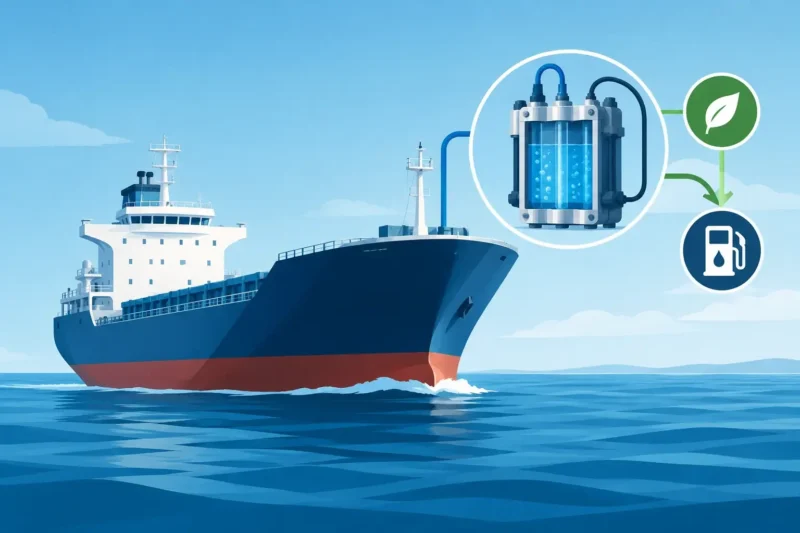
Marine Vessel HHO Fuel Trial for Real Fuel Savings... Full Story
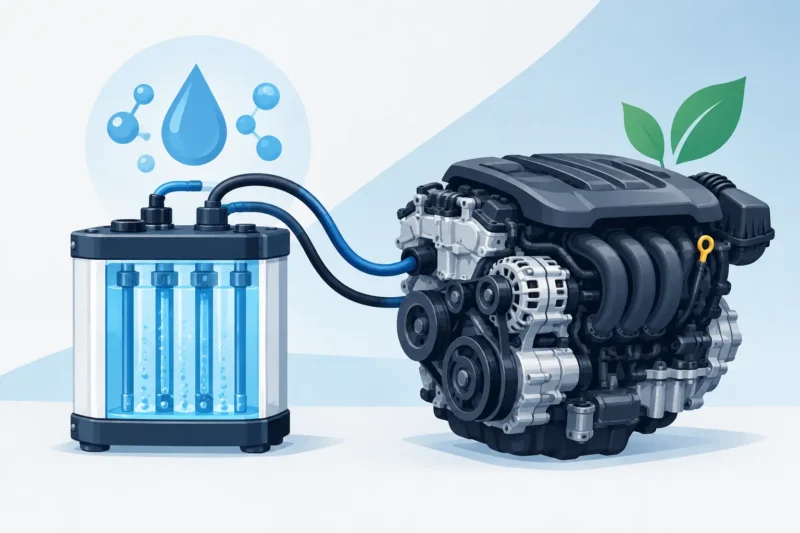
HHO Kits That Make Hard-Working Engines Work - Nov... Full Story
Payment Methods Partner:

© 2026 Hydrogen Fuel Systems Pty Ltd