Brilliant Invention Gen 20 Hydrogen Generator July 2 2026
Brilliant Invention Gen 20 Hydrogen Generator ---(update Feb 7... Full Story



by Gavan Knox MSc, BSc, BEd, Inventor
WhatsApp call +61 403177183
contact gavan@hfuel.com.au
https://hydrogenfuelsystems.com.au
Fuel Savings for Petrol Fueled Engines That Work. A petrol engine that is burning more fuel than it should is costing you twice: once at the bowser and again in lost response, carbon build-up and unnecessary wear. Fuel savings for petrol fuelled engines do not come from wishful thinking or a bottle of miracle additive. They come from getting combustion, maintenance, driving load and the right enhancement equipment working together.
For a daily driver, ute, 4WD, work van, boat or generator, the target is simple: produce the same useful work with less petrol. That means looking beyond a single fuel economy number and dealing with the mechanical reasons an engine wastes fuel in the first place.




Petrol engines are designed to mix air and fuel, compress it and ignite it at precisely the right moment. When that process is clean and controlled, the engine makes useful power efficiently. When the mixture is poor, the spark is weak, deposits interfere with airflow or the engine is working harder than necessary, fuel use climbs.
Short trips are a common culprit. A cold engine runs richer while it warms up, and repeated stop-start operation can prevent it reaching its most efficient operating temperature. Heavy loads, roof racks, under-inflated tyres and aggressive acceleration add further drag. For tradies and fleet operators, idling time can quietly consume a serious amount of fuel without moving the vehicle one metre.
There is also the issue of incomplete combustion. Every combustion event is a race measured in milliseconds. If the flame front does not propagate cleanly through the air-fuel charge, some of the available energy is lost as heat, deposits and exhaust emissions rather than delivered to the crankshaft.

Before changing anything, measure what the vehicle is doing now. Fill the tank consistently, record odometer kilometres, retain fuel receipts and calculate litres per 100 km across several normal fill cycles. One tank is not proof. Traffic, towing, wind, payload and a heavy right foot can skew the result badly.
For machinery, marine engines and generators, track litres per operating hour alongside the work completed. A generator running a fixed load is often easier to assess than a vehicle travelling through changing conditions. Fleet managers should compare similar routes, loads and drivers wherever possible.
A baseline does more than prove savings later. It exposes problems early. If a vehicle that once used 11 L/100 km has crept up to 13 L/100 km, there is a reason. Find it before paying for another year of wasted fuel.


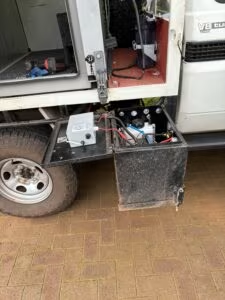

No fuel-saving system should be asked to compensate for an engine with a fault. Servicing is not glamorous, but it is where many petrol savings begin. Follow the manufacturer’s service schedule and investigate warning lights rather than clearing them and hoping for the best.
Pay particular attention to spark plugs, ignition coils, air filters, oxygen sensors, fuel injectors and vacuum leaks. A tired ignition component can lead to misfires or weak combustion. A contaminated air filter restricts airflow. A faulty oxygen sensor may cause the engine management system to command an unnecessarily rich mixture. These are not minor details – they directly affect how much petrol reaches the cylinders.
Tyre pressure matters as well, especially on utes, 4WDs and loaded work vehicles. Check pressures cold and set them for the real load and conditions, not merely the number remembered from an empty vehicle. Do not overinflate tyres chasing economy, as grip, ride and tyre wear still matter.
Once the engine is in sound condition, combustion enhancement becomes a practical option for owners who want to reduce operating costs without replacing the vehicle.

r, commonly called an HHO kit, uses electrical power to produce a small volume of hydrogen and oxygen gas. The gas is introduced into the engine’s intake air. The purpose is not to replace the petrol tank with hydrogen. It is to support a faster, more complete combustion event so more of the fuel already being injected can contribute to useful engine output.
That distinction matters. A correctly selected and installed system is an enhancement system. It must suit the engine size, duty cycle and electrical system, and it should work alongside normal servicing and sensible operation. It is not a licence to ignore faults, tow beyond the vehicle’s limits or expect identical results from every engine.
Where combustion quality improves, owners may see better throttle response, smoother running and reduced fuel use under comparable conditions. The scale of any gain depends on the vehicle, tune, route, load, driver behaviour and installation quality. A highway vehicle covering long distances at steady load can produce a cleaner comparison than a car used only for short urban trips.
Hydrogen Fuel Systems supplies system sizes for applications ranging from passenger vehicles through to 4WDs, marine engines and generators. Selecting capacity is not a matter of buying the biggest unit available. It is about matching the system to the engine and its real workload, then installing it properly with suitable wiring, filtration and safety components.
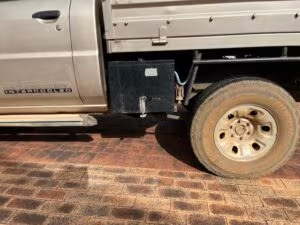
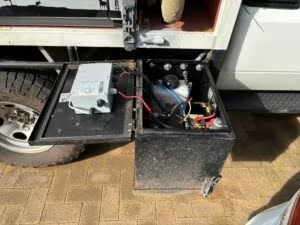

A fuel-saving product is only as good as its installation. Hoses must be secure, electrical connections correctly protected and the gas supply properly filtered. System placement should allow inspection and routine maintenance without exposing components to unnecessary heat, vibration or damage.
For modern petrol engines, the engine management system also needs consideration. These vehicles constantly adjust fuelling according to sensor feedback. A knowledgeable installer understands that the vehicle must remain safe, driveable and compliant with applicable Australian requirements. Keep records of the installation, vehicle baseline and subsequent fuel use. That is how you turn a claim into operating data.
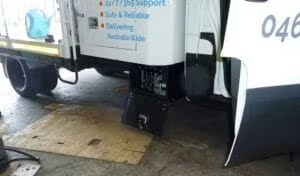



Technology helps, but it cannot repeal physics. The biggest savings are often lost through harsh acceleration, unnecessary idling and carrying dead weight around for months. Petrol engines consume fuel rapidly when pushed hard, particularly in a loaded vehicle or when towing.
Aim for progressive acceleration, anticipate traffic and maintain steady speed where conditions allow. Remove unused tools, cargo and accessories that add weight or aerodynamic drag. If the vehicle is a workhorse, plan runs to reduce duplicate trips and long idle periods. These changes cost little, and they make the savings from a well-maintained engine and correctly fitted HHO system easier to see.
There are trade-offs. Air-conditioning, towing, sand driving, steep terrain and city congestion all increase consumption. That does not mean efficiency work has failed. It means the comparison must be honest. Compare like with like: similar fuel, routes, loads, weather and driving conditions.



The number that matters is not a flashy claim from a single run. It is the reduction in litres used over a meaningful period, set against the cost of the equipment, installation and maintenance. For a high-kilometre owner-driver, a consistent reduction in fuel use can add up quickly. For a weekend vehicle with low annual kilometres, payback may take longer even if the vehicle runs better.
Track three things: litres per 100 km or litres per hour, the cost per kilometre or hour, and the conditions in which the work was done. If you manage several vehicles, test one comparable vehicle first. A controlled trial gives you far more confidence than fitting equipment across an entire fleet without data.
Ask for application-specific technical information, installation guidance and evidence relevant to your engine type. Tested documentation, clear component specifications and practical support matter far more than vague promises. A serious fuel-saving decision should stand up to a calculator and a spanner.
The best next move is straightforward: service the petrol engine properly, record its current consumption, then assess a correctly matched combustion-enhancement system against your actual workload. Every litre you stop wasting is money that stays in the business or in your pocket.
by Gavan Knox MSc, BSc, BEd, Inventor
WhatsApp call +61 403177183
contact gavan@hfuel.com.au
https://hydrogenfuelsystems.com.au
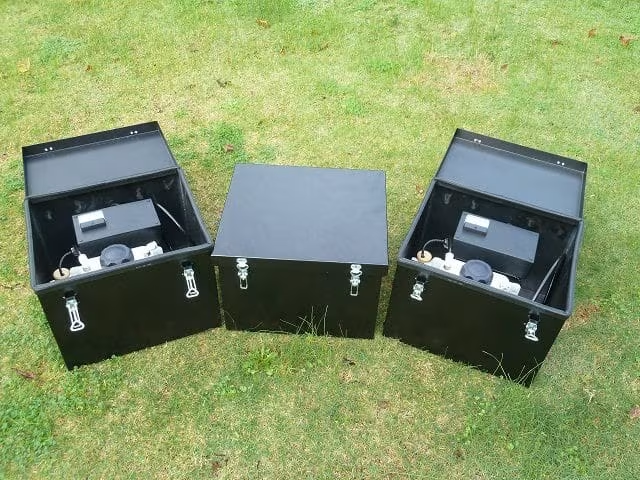
Brilliant Invention Gen 20 Hydrogen Generator ---(update Feb 7... Full Story
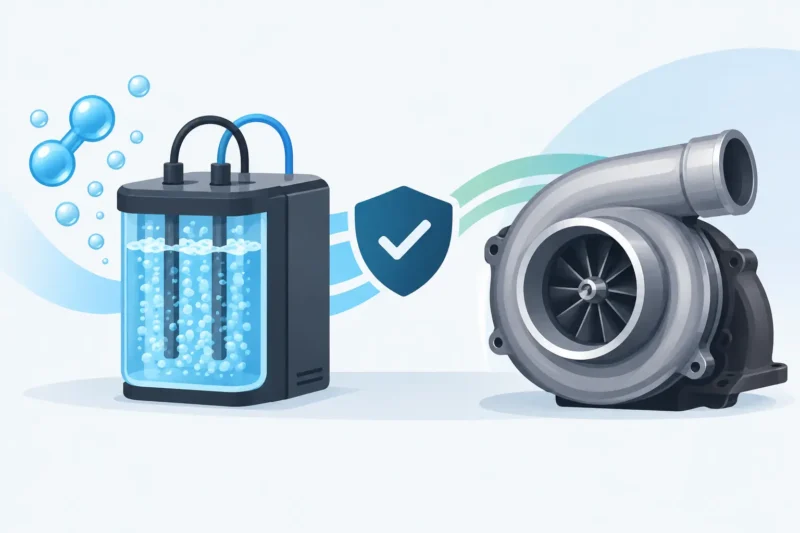
Will HHO Affect Turbochargers? Facts That Matter - Nov... Full Story
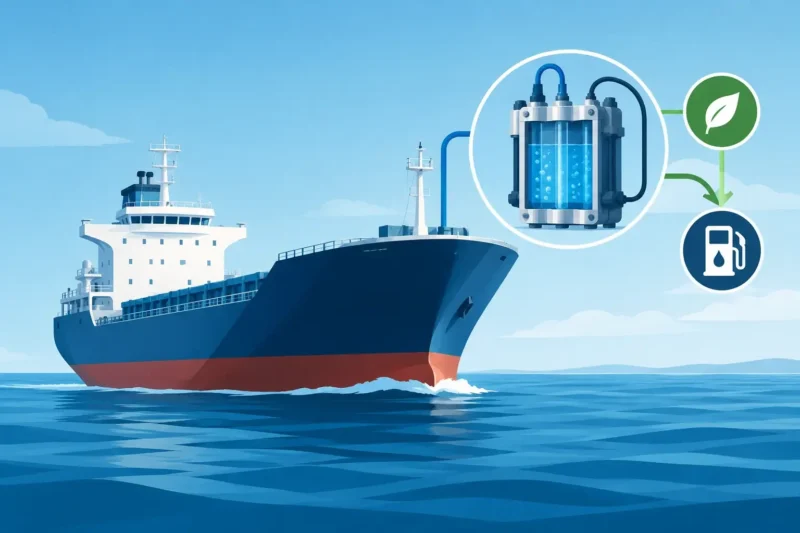
Marine Vessel HHO Fuel Trial for Real Fuel Savings... Full Story
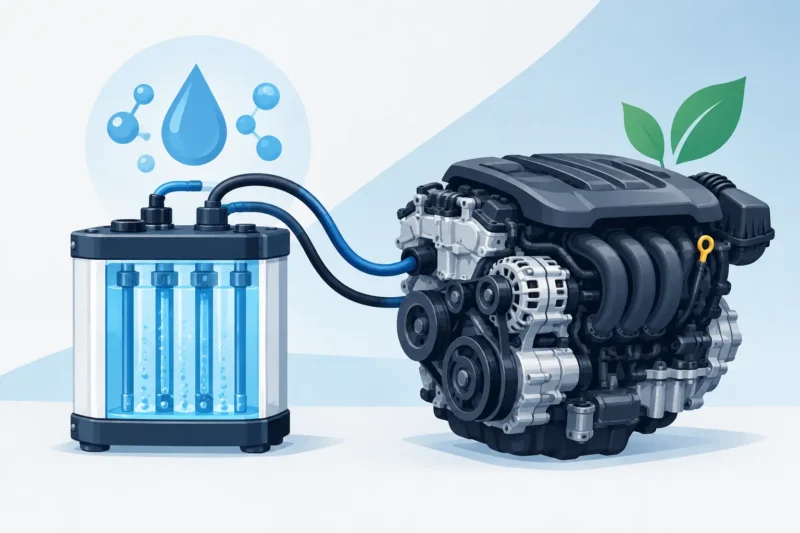
HHO Kits That Make Hard-Working Engines Work - Nov... Full Story
Payment Methods Partner:

© 2026 Hydrogen Fuel Systems Pty Ltd