Brilliant Invention Gen 20 Hydrogen Generator July 2 2026
Brilliant Invention Gen 20 Hydrogen Generator ---(update Feb 7... Full Story


by Gavan Knox MSc, BSc, BEd, Inventor
WhatsApp call +61 403177183
contact gavan@hfuel.com.au
https://hydrogenfuelsystems.com.au
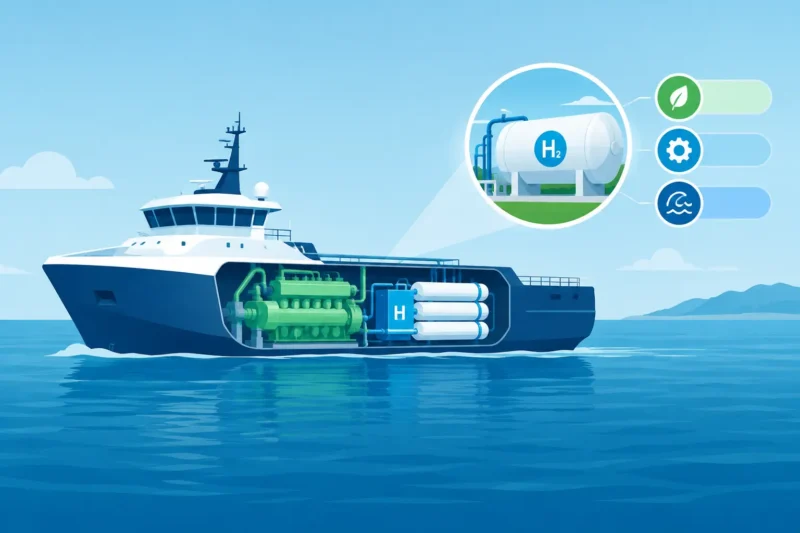
Marine Engine Hydrogen Case Study Results. A fishing boat can burn through more diesel in a week than a family car uses in months. That is why a marine engine hydrogen case study must be more than a testimonial saying the engine “felt better”. Vessel owners need operating figures, fuel records, load conditions and installation details that show whether an on-board hydrogen system is delivering a commercial result.
For marine operators, the question is simple: does hydrogen assistance reduce fuel use and improve combustion enough to justify the investment? The answer depends on the engine, its duty cycle, its condition and whether the system is correctly sized and installed. A credible case study puts those facts on the table.
Marine engines do not live easy lives. They run for long hours, often under steady load, in salt air and sometimes with inconsistent maintenance histories. A diesel auxiliary, workboat engine or commercial fishing vessel has a very different operating pattern from a road vehicle that spends much of its time accelerating, braking and idling.
That makes marine applications well suited to measured fuel comparisons. When a vessel operates similar routes, carries similar loads and runs comparable engine hours, fuel consumption can be tracked before and after hydrogen assistance with far more confidence than a one-off trip report.
The strongest case study records the engine make, model, displacement, fuel type and rated power. It also identifies the vessel’s normal job, whether that is trawling, cruising, charter work, transport or powering onboard equipment. Without that context, a fuel-saving percentage is only a headline.
A proper report also shows the baseline fuel use. That may be litres per engine hour, litres per nautical mile or total fuel used for a repeatable task. Engine-hour readings and fuel receipts are useful, but a calibrated fuel-flow meter is stronger again. The more repeatable the measurement, the more valuable the result.
An HHO hydrogen system generates a controlled hydrogen and oxygen gas supply on board, using electrical power from the vessel. The gas is introduced into the engine’s intake air to support more complete combustion of the primary fuel.
Hydrogen burns quickly and has a wide flammability range. In the right application, that can assist combustion where diesel fuel alone may not burn as cleanly or completely. The intended operational benefits are straightforward: less fuel required for the same job, cleaner combustion, reduced exhaust smoke and a more responsive engine under load.
For a vessel owner, fuel savings are usually the lead benefit. But reduced soot loading can matter just as much on engines that work hard for long periods. Cleaner combustion may help reduce carbon deposits around intake components and combustion areas, although it is not a substitute for correct servicing, injector maintenance, clean filters or proper engine tuning.
The trade-off is that an on-board system must be matched to the engine and installed properly. Undersize it and the effect may be negligible. Oversize it or wire it carelessly and you create unnecessary electrical demand and avoidable reliability issues. Marine installation requires secure mounting, corrosion-conscious component placement, protected wiring, correctly rated fusing and safe hose routing away from heat, moving parts and areas exposed to physical damage.
A workboat at a consistent cruising speed or a commercial vessel pulling similar gear gives an operator a useful comparison environment. If RPM, load, route, weather and payload are reasonably similar, the before-and-after numbers carry real weight.
That does not mean marine testing is perfect. Current, tide, wind, hull fouling, propeller condition and payload can move fuel figures significantly. A clean hull on one test day and heavy growth on another can make a poor system look good, or hide a genuine improvement. This is why one tank of fuel is not a case study.
A serious marine comparison should run over enough hours to reduce the influence of a single rough day, a changed route or a different skipper. The aim is not to chase a favourable number. The aim is to find the operating average that affects the fuel account.
Before installation, record several comparable operating periods. Note litres consumed, engine hours, average RPM, vessel load and the work completed. Then repeat the same process after installation and after the system has been checked for correct operation.
Four areas deserve close attention:
A case study should also report what did not change. If the vessel used the same fuel supplier, ran the same propeller and completed the same task, say so. If injector servicing, turbo repairs or a propeller change happened during the trial, that must be declared. Mechanical honesty protects the value of the result.
Consider a vessel that normally uses 42 litres per engine hour while operating at a repeatable cruise RPM. Across several comparable runs, it records 40 litres per hour after a correctly fitted hydrogen system is introduced.
That is a reduction of 2 litres per hour, or about 4.8 per cent. For a vessel running 1,000 hours annually, the difference is 2,000 litres of diesel before any fuel-price calculation. If diesel costs $2.10 per litre, that represents $4,200 in annual fuel spend.
That is the commercial language operators understand. Not vague promises. Litres, hours, dollars and a clear calculation.
But the example also shows why disciplined testing matters. If the post-installation period included lighter loads, calmer water or a freshly cleaned hull, the result cannot be credited to hydrogen assistance alone. The operator needs enough matched data to be confident the saving is real.
Marine engine bays are unforgiving. Heat, vibration, moisture and salt attack weak installation work quickly. A hydrogen generator kit must be mounted securely, with service access for checking fluid level, fittings, electrical connections and filters. Components should not be placed where they can be drenched, knocked or exposed to excessive heat.
Electrical supply is critical. The system needs appropriately sized cable, secure terminals, a correctly selected fuse and switching that prevents the generator from operating when the engine is off. Loose wiring and poor earth connections are not minor details on a boat. They are failure points.
Gas delivery requires equal care. Hoses must be routed neatly, protected from chafe and kept clear of hot exhaust components. The intake connection needs to be secure and positioned for consistent distribution. A poorly fitted inlet connection can create leaks, poor delivery or unwanted air-entry issues.
Hydrogen Fuel Systems supplies application-focused kits and technical materials for operators who want a practical starting point, but the condition of the vessel and the standard of installation still determine the quality of the end result. A well-engineered kit cannot compensate for worn injectors, blocked air filters, a failing turbocharger or an engine with unresolved faults.
Not every marine engine will return the same percentage improvement. Engines under consistent heavy load may show a different response from lightly used pleasure craft. A maintained diesel with good compression and correctly functioning fuel equipment gives the system a better platform than an engine already suffering from mechanical problems.
Generator applications can be particularly useful for measurement because load and run time are often easier to track. A fishing vessel can offer strong potential too, provided the operator records conditions honestly. Recreational boats may still benefit, but irregular usage patterns can make proof harder to establish.
Treat ambitious claims carefully. Any supplier claiming identical savings for every vessel, every engine and every operating condition is avoiding the mechanical reality. The best result is the one your own fuel log can support.
Before fitting a system, establish the baseline. Keep fuel receipts, record engine hours and write down the job completed. After installation, continue with the same discipline for long enough to produce a useful comparison. This gives you a practical payback calculation based on your vessel, your fuel price and your operating hours.
The value of hydrogen assistance is not a flashy number on a brochure. It is a documented reduction in litres consumed while the engine keeps doing the hard work. For marine operators watching every operating cost, that is the result worth testing for.
Thursday, November 19, 2026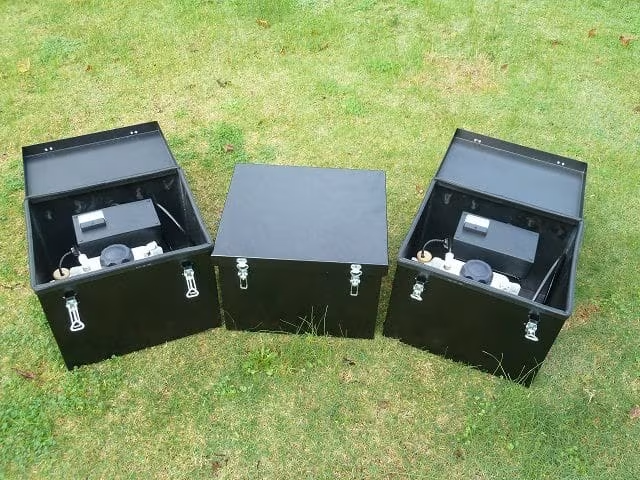
Brilliant Invention Gen 20 Hydrogen Generator ---(update Feb 7... Full Story
How to Maintain Hydrogen Generator Systems - NOV 22... Full Story
Marine Engine Hydrogen Case Study Results - Nov 21... Full Story
How to Choose HHO Amperage for Your Engine -... Full Story
Payment Methods Partner:

© 2026 Hydrogen Fuel Systems Pty Ltd