Brilliant Invention Gen 20 Hydrogen Generator July 2 2026
Brilliant Invention Gen 20 Hydrogen Generator ---(update Feb 7... Full Story
Perth, West Australia





by Gavan Knox MSc, BSc, BEd, Inventor
WhatsApp call +61 403177183
contact gavan@hfuel.com.au
https://hydrogenfuelsystems.com.au
Aftermarket Combustion Efficiency Upgrade Explained – Aug 29. A work ute that idles through traffic, a prime mover hauling weight, a boat pushing against tide and a generator running overnight all share the same problem: fuel burnt poorly is money wasted. An aftermarket combustion efficiency upgrade is designed to improve how effectively an internal combustion engine uses the fuel already being fed into it. For operators paying serious fuel bills, that is a practical performance question, not a passing trend.
Hydrogen enhancement systems, often called HHO kits or hydrogen generator kits, produce a supplementary hydrogen-rich gas on board and introduce it into the engine’s intake. The aim is to support a faster, more complete combustion event. Done correctly, the result may be a cleaner burn, sharper throttle response and reduced fuel consumption under comparable operating conditions.
The key word is comparable. Real savings are measured against the same load, route, driving behaviour, weather and maintenance condition. Anyone promising a fixed result before knowing the vehicle, engine and duty cycle is selling hope rather than a working plan.

Fuel does not always burn perfectly inside a cylinder. Diesel engines can produce soot under heavy load, during transient throttle events or when air, fuel delivery and engine condition are not working in balance. Petrol engines can also lose efficiency through incomplete combustion, carbon build-up, poor ignition performance or extended idling.
A hydrogen enhancement system is fitted as a supplementary system, not as a replacement for proper servicing. Its electrolyser uses electrical power to generate a controlled volume of gas, which is then delivered through the intake path. Hydrogen has a fast flame speed and low ignition energy. In the right application, that characteristic can help promote a more consistent flame front and a more complete burn of the primary fuel charge.
That is why the potential benefits are linked. When combustion improves, an engine may need less throttle for the same job, respond more cleanly under load and send fewer unburnt hydrocarbons or soot-forming particles out the exhaust. Reduced carbon residue can also be valuable on engines that spend their lives at low speed, on short trips or under repeated stop-start work.
It is not magic gas in a bottle. The alternator must supply electricity, the kit must be sized correctly and the vehicle must be mechanically sound. A blocked air filter, failing injector, tired turbo hose, faulty sensor or dragging brake will not be fixed by adding an HHO system.
The strongest business case is usually found where fuel use is high and the operating pattern is repeatable. A passenger car travelling occasional weekend kilometres may deliver a slower payback than a work vehicle covering major annual kilometres. The same principle applies to machinery.
For fleets and owner-drivers, consistent routes and load records make it easier to establish a genuine baseline. A delivery van, service ute, light truck or rigid truck can be monitored using litres per 100 kilometres, fuel receipts, telematics and kilometres travelled. For a generator, the more useful measure is litres per hour at a known electrical load. Marine operators should track litres per nautical mile, engine hours, sea state and vessel loading.
Four-wheel drives are another practical application, particularly when they tow, tour remotely or carry a constant touring load. More responsive power delivery can be useful when the vehicle is working hard, but fitment must be planned around dust sealing, vibration, water exposure and safe routing under the bonnet.
A correctly selected system should match the engine capacity, intake layout and intended work. A small system on a large diesel may not deliver enough supplementary gas to make a meaningful difference. Oversizing is not the answer either. The right outcome comes from controlled output, reliable electrical protection and a professional installation.
Start with the engine, not the marketing label. Record the fuel type, engine displacement, induction setup, voltage system, available under-bonnet space and normal operating load. A naturally aspirated petrol sedan, a turbo-diesel LandCruiser, a commercial truck and a stationary generator have different packaging, airflow and duty-cycle requirements.
Hydrogen Fuel Systems offers Gen 10, Gen 15, Gen 20 and Gen 25 configurations for different vehicle and equipment applications. The useful question is not simply which unit is largest. It is which configuration is appropriate for the engine and is supported by clear installation guidance, correct wiring components, fittings, filters and serviceable parts.
Before buying, ask for application-specific information. You need to know where the unit mounts, how the water supply is checked, where the gas line enters the intake, how the electrical circuit is fused and switched, and what safety components are included. A proper installation should look tidy and deliberate, not like an experiment cable-tied beside a hot exhaust manifold.
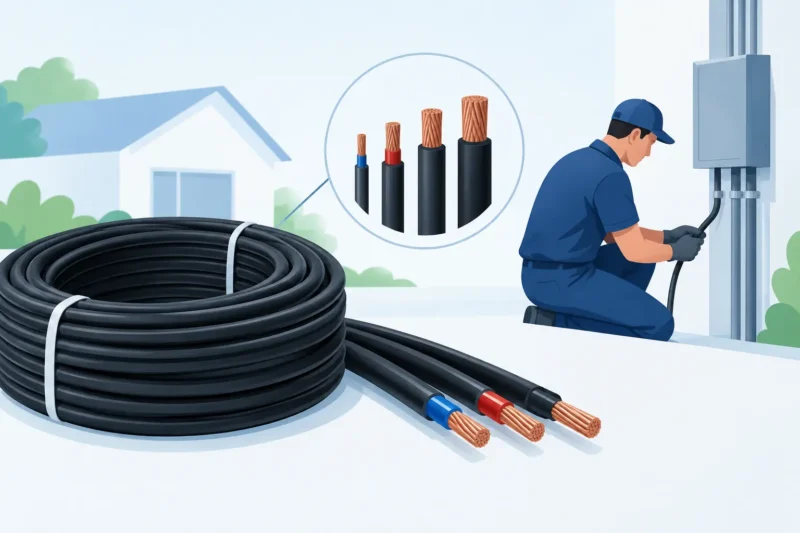
Electrical supply is critical. The kit should operate only when the engine is running, with suitable fusing, cable sizing and relay control. Poor wiring can create voltage drop, unreliable operation and unnecessary risk. The alternator and battery also need to be in good condition before any auxiliary electrical system is added.
Gas-line placement matters just as much. The intake connection needs to be secure, leak-free and positioned to distribute supplementary gas sensibly without interfering with factory systems. On modern vehicles, installers should take particular care around mass airflow sensors, boost plumbing, crankcase ventilation and emissions-control hardware.
Water quality and maintenance are not optional. Mineral deposits and contamination can reduce electrolyser performance over time. Follow the supplied maintenance schedule, inspect hose connections, check fluid levels and replace consumable components where required. A system that is neglected cannot be fairly judged.
Fuel-saving claims deserve evidence. The best approach is to establish a baseline over enough operating time to smooth out one-off variables. For a fleet vehicle, that may mean several tanks of fuel before fitting and several comparable tanks after fitting. Keep the records simple: date, odometer, litres purchased, operating route, load and any unusual idling or towing.
Do not compare a loaded highway run in July with an unloaded city week in January and call the difference a result. Compare like with like. If telematics are available, use them to separate idle time, cruise time, speed, engine load and driver behaviour. That data is useful for identifying whether the gain is coming from the combustion upgrade, a change in driving practice or both.
Emissions testing should be treated the same way. Exhaust readings can vary with engine temperature, load, fuel quality and test method. If lower emissions are an operational target, use a recognised testing process and record the conditions. Documentation carries more weight than a dashboard photo or a verbal estimate.
An HHO system is an aftermarket modification, so fitment must be considered alongside the vehicle’s warranty position, insurance requirements and Australian roadworthiness rules. Rules can vary by state and by the type of vehicle. Commercial operators may also have company policies or maintenance standards that apply to modifications.
Modern diesel engines with DPF, EGR and SCR systems need particular care. The objective is to support combustion without bypassing, disabling or tampering with factory emissions equipment. Any proposal that involves defeating an emissions-control device is the wrong approach. Keep the vehicle compliant and ensure all servicing requirements continue to be met.
Results also vary. Engines with poor maintenance history can show a different response from well-maintained engines. Heavy towing, aggressive acceleration, tyre pressure, payload and long idle periods all influence fuel consumption. An efficiency upgrade works best when it is part of a disciplined operating programme, alongside servicing, correct tyre pressures, sensible driving and accurate fuel records.
For a high-use vehicle or machine, the purchase decision should come down to cost per operating hour or kilometre. Calculate current fuel spend, establish a credible baseline and set a realistic review period after installation. If the system improves the way the engine works and reduces fuel use in your actual duty cycle, the numbers will show it.
Choose a properly sized kit, install it with care and measure the outcome under real working conditions. That is how an aftermarket combustion efficiency upgrade becomes a practical tool for protecting margins rather than another accessory under the bonnet.
Friday, August 28, 2026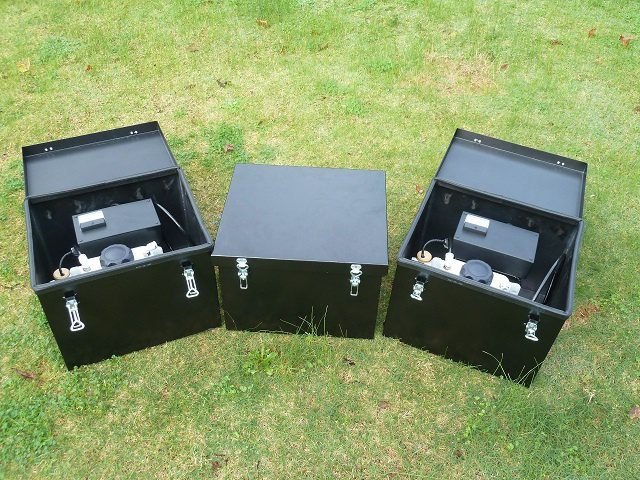
Brilliant Invention Gen 20 Hydrogen Generator ---(update Feb 7... Full Story

by Gavan Knox HFS whats app +61 403177183 gavan@hfuel.com.au... Full Story
HHO Cable Sizing Guide for Reliable Installs - Oct... Full Story
Does HHO Affect Engine Oil? What Drivers See -... Full Story

Best Vehicles for HHO Upgrades in Australia - Oct... Full Story
Payment Methods Partner:

© 2023 - Hydrogenfuelsystems pty ltd