Brilliant Invention Gen 20 Hydrogen Generator July 2 2026
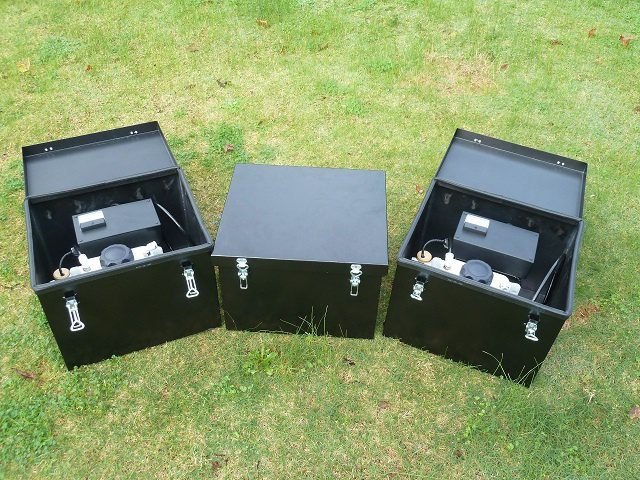
Brilliant Invention Gen 20 Hydrogen Generator ---(update Feb 7... Full Story
Perth, West Australia




by Gavan Knox MSc, BSc, BEd, Inventor
WhatsApp call +61 403177183
contact gavan@hfuel.com.au
https://hydrogenfuelsystems.com.au
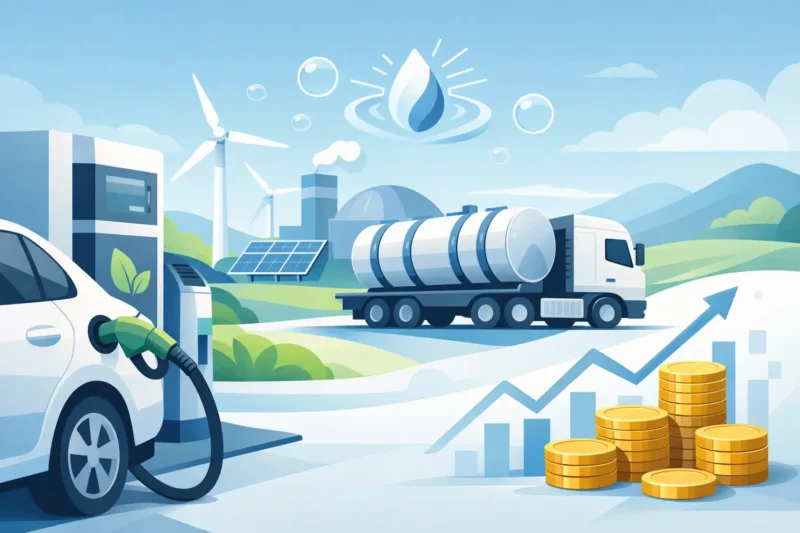
Aftermarket Hydrogen Technology That Earns Its Keep – Sept 2. A heavy ute, a working truck, a marine engine or a generator does not get cheaper to run because of good intentions. It gets cheaper when more of the fuel going into the cylinder is converted into useful work. That is the practical case for aftermarket hydrogen technology: improving combustion in engines that consume serious litres, work hard and need to stay on the job.
For owners who watch every fuel docket, the question is not whether hydrogen sounds clever. The question is whether an on-board hydrogen system is correctly sized, properly installed and capable of delivering a return in the application it is fitted to. Get those fundamentals right and hydrogen enhancement can become a valuable tool for reducing operating costs, improving engine response and cutting exhaust emissions.

An HHO system produces a controlled flow of hydrogen and oxygen gas on board, using electrical power and distilled water. That gas is introduced into the engine’s air intake, where it supports a faster, more complete combustion event. It is not a replacement fuel tank and it does not turn a diesel engine into a hydrogen vehicle. It is a combustion enhancement system designed to help the fuel already being used burn more efficiently.
That distinction matters. The engine still runs on petrol or diesel, but the combustion process can be cleaner and more effective. In real working conditions, that may show up as lower fuel consumption, stronger throttle response, improved torque under load and less visible exhaust smoke. Results depend on the engine, its condition, the duty cycle and the quality of the installation.
For a fleet operator, even a modest improvement can add up quickly. A truck, generator or vessel operating long hours has a far greater opportunity to recover the cost of a system than a vehicle that only sees short suburban trips. High fuel use is where the numbers become worth examining.
Internal combustion engines are not perfectly efficient. Fuel quality varies, loads change, intake systems collect contamination and engines spend much of their life operating outside the ideal conditions shown in a brochure. Incomplete combustion leaves energy on the table while contributing to carbon deposits, smoke and higher emissions.
Hydrogen has a fast flame speed and a wide ignition range. When delivered in the correct volume through a well-designed HHO system, it can assist ignition and flame propagation inside the cylinder. The intended result is a more complete burn of the primary fuel charge.
That is why this technology is relevant to diesel workhorses, petrol 4WDs, marine engines and stationary generators. These applications often face sustained load, idling, towing, stop-start work or long running hours. They are also applications where fuel spend and engine wear are commercial issues, not just talking points.
A clean, well-maintained engine will generally provide the fairest starting point. Hydrogen enhancement is not a repair for failed injectors, worn turbochargers, blocked filters, serious oil consumption or fault codes that have been ignored. Fix mechanical problems first. Then assess the gains from improved combustion on an engine that is fundamentally sound.
The right system is not simply the biggest unit that will fit under the bonnet. Gas production needs to match engine capacity, fuel type and working demand. A lightly used passenger vehicle has different requirements from a loaded diesel ute, while a road train, excavator or commercial generator requires a different level of output again.
Hydrogen Fuel Systems offers Gen 10, Gen 15, Gen 20 and Gen 25 configurations because engine applications are not one-size-fits-all. Correct sizing helps ensure the generator produces useful gas volume without creating unnecessary electrical demand or a messy installation.
For passenger vehicles and smaller 4WD applications, fitment space, electrical load and intake plumbing need careful attention. Owners may be chasing better day-to-day economy, improved towing response or a cleaner-running engine for touring work. A compact, properly matched system is usually the sensible path.
Larger diesel engines can consume substantial fuel every shift. Here, the potential return is driven by litres burned, hours worked and load consistency. A generator running for extended periods can be especially straightforward to monitor because runtime and fuel use are easier to record than on a vehicle travelling mixed routes.
Marine installations demand additional discipline. Components must be mounted securely, protected from vibration and moisture, and installed with safe routing for hoses, wiring and intake connections. A system that performs well on land still needs marine-appropriate installation practices before it earns a place in an engine bay below deck.
A quality hydrogen generator kit is only part of the result. Installation is where the system becomes a working component rather than an expensive box of parts. Secure mounting, correct wiring protection, reliable power supply, clean water management and leak-free intake connections all matter.
The electrical side deserves particular respect. The generator must be wired so it operates appropriately with the vehicle or equipment, using suitable cable sizing, fusing, relays and switching. Poor wiring can create voltage drop, inconsistent production and avoidable reliability problems. On modern vehicles, installers must also avoid interfering with factory systems and should account for sensor placement and intake design.
Water quality matters too. Using distilled water helps minimise mineral build-up in the cell. Filters, hoses and fittings should be inspected as part of normal servicing. This is practical equipment, not magic. Like any engine-related system, it rewards owners who follow the documentation and keep an eye on the basics.
For fleets, standardising the installation process across similar vehicles can make maintenance simpler and performance data more meaningful. Photograph each fitment, record the system size, note odometer readings and keep a maintenance schedule. That level of discipline separates a genuine operating-cost project from a guess.
Fuel economy varies with driver behaviour, payload, wind, traffic, terrain, tyre pressure and service condition. Anyone claiming every vehicle will achieve the same percentage saving is not dealing with real-world operations. The correct approach is to establish a baseline and measure like-for-like work.
Record litres purchased, kilometres travelled or operating hours, average loads and the kind of work performed before installation. Continue the same record after fitting the system. For a truck, compare similar routes and payloads. For a generator, compare fuel used per hour at a consistent load. For a boat, account for speed, sea state and engine hours.
Do not judge the system on one tank of fuel. A meaningful assessment takes repeated operating cycles. Drivers may also report smoother response, reduced smoke or better pulling power, but the financial case should be built from records, not excitement at the workshop gate.
Aftermarket hydrogen technology is usually strongest where engines run hard, burn plenty of fuel and stay in service long enough for savings to compound. Owner-drivers, courier fleets, trade businesses with working utes, regional operators, farms, marine users and generator owners all have a reason to investigate it when fuel use is a persistent cost centre.
It may be less compelling for a low-kilometre vehicle, an engine with unresolved mechanical faults or an owner unwilling to maintain the system. That is not a weakness of the technology. It is simply the commercial reality that every modification needs to suit the application.
The best buyers are not chasing a miracle. They want a documented, correctly sized system that supports cleaner combustion and gives them a fair shot at lowering fuel use over time. Start with the engine, match the kit to the workload, install it properly and measure every litre. That is how a practical upgrade earns its keep.
by Gavan Knox MSc, BSc, BEd, Inventor
WhatsApp call +61 403177183
contact gavan@hfuel.com.au
https://hydrogenfuelsystems.com.au
Brilliant Invention Gen 20 Hydrogen Generator ---(update Feb 7... Full Story

by Gavan Knox HFS whats app +61 403177183 gavan@hfuel.com.au... Full Story
A diesel that is smoking, using more fuel or... Full Story
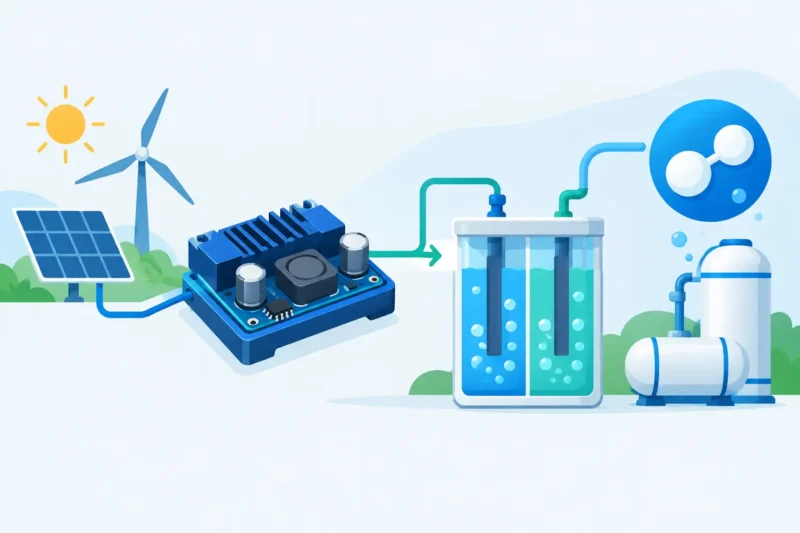
How Do DC-DC Boost Regulators Affect Hydrogen Gas Production?... Full Story
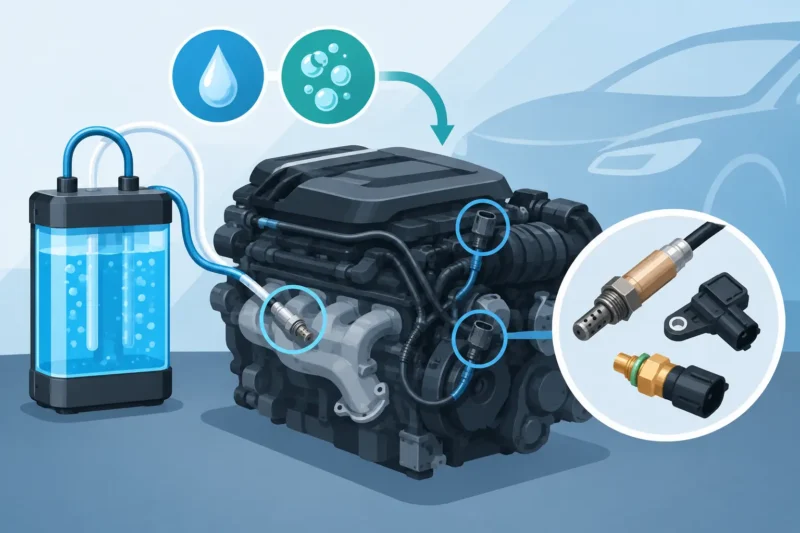
## Can HHO Affect Engine Sensors? What to Check... Full Story
Payment Methods Partner:

© 2023 - Hydrogenfuelsystems pty ltd