Brilliant Invention Gen 20 Hydrogen Generator July 2 2026
Brilliant Invention Gen 20 Hydrogen Generator ---(update Feb 7... Full Story
Perth, West Australia




by Gavan Knox MSc, BSc, BEd, Inventor
WhatsApp call +61 403177183
contact gavan@hfuel.com.au
https://hydrogenfuelsystems.com.au
Australian HHO Installers and Proper Kit Fitment – Sept 1. A hydrogen kit is only as good as the way it is fitted. Australian HHO installers need to do more than mount a generator under the bonnet and connect a few wires. The system must suit the engine, survive heat and vibration, draw power safely and deliver controlled hydrogen gas where it can support combustion.
For a high-kilometre ute, 4WD, truck, generator or marine engine, poor fitment can turn a practical fuel-saving upgrade into a nuisance. A proper installation is built around the vehicle, its workload and the results the owner expects to measure.
The first question is not, “Where will the cell fit?” It is, “What is this engine doing every day?” A diesel LandCruiser used for touring, a courier van idling in traffic and a prime mover hauling freight have very different operating profiles. Engine capacity matters, but so do duty cycle, fuel type, electrical condition and available mounting space.
A competent installer should inspect the battery, alternator, terminals and main earth points before fitting an HHO system. Hydrogen generators rely on a stable electrical supply. If the vehicle has weak charging performance, corroded terminals or an existing parasitic drain, those problems need attention before additional accessories are added.
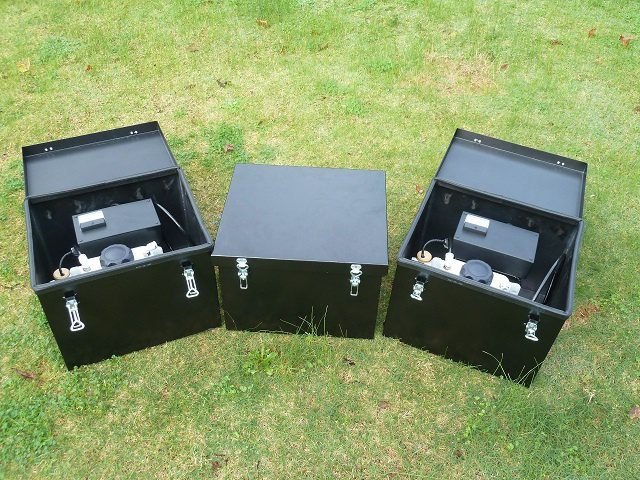
They should also identify safe, serviceable locations for the generator, reservoir, filter and associated hoses. The kit needs to be accessible for fluid checks and maintenance without being exposed to excessive exhaust heat, sharp edges, moving belts or regular water ingress. This is particularly relevant in Australia, where summer under-bonnet temperatures can be punishing and many 4WDs are expected to handle corrugations, dust and long-distance travel. Complete Kits come with the electrolyte reservoir mounted into an enclosure box with the Power supply and electrolysis unit. For trucking, Genset, farming, Mining and Marine applications larger electrolyte reservoirs are used which are a distance away from the electrolysis unit. In these situations the Electrolyte Pump should still be mounted close to the electrolysis unit to provide Sufficient Pressure head to ensure Turbulent flow past teh electroldes.
There is no advantage in choosing a system simply because it is the biggest available. The right generator is based on engine displacement, fuel consumption, intended use and the vehicle’s electrical capacity. A smaller petrol passenger vehicle may suit a Gen 10 or Gen 15 configuration, while larger diesels, trucks, machinery and marine applications may call for Gen 20 or Gen 25 equipment. Very large displacement engines can be supplied with sufficient hydrogen by a combination of 2 or more Gen 20 or Gen 25 systems. Custom made Hydrogen generators are availableto be specially designed for your individual size engine by calling Gavan on (WHATSAPP) +61 403177183 and emailing him at gavan@hfuel.com.au. Very large capacity engines use specialist Patyented Alloy Anode/Cathode electrodes matched to higher pressure head pumping systems.
Correct sizing gives the installer a practical foundation for gas output and current draw. Overspecifying a system can place unnecessary demand on the charging circuit. Underspecifying it may leave the owner disappointed because the system is not matched to the amount of fuel the engine is using under load.
This is where generic, one-size-fits-all installations fall short. A fleet vehicle doing 80,000 kilometres a year deserves a different assessment from a weekend 4WD. The potential financial return is also different. Higher fuel use creates more opportunity for savings, provided the system is installed, maintained and operated correctly.
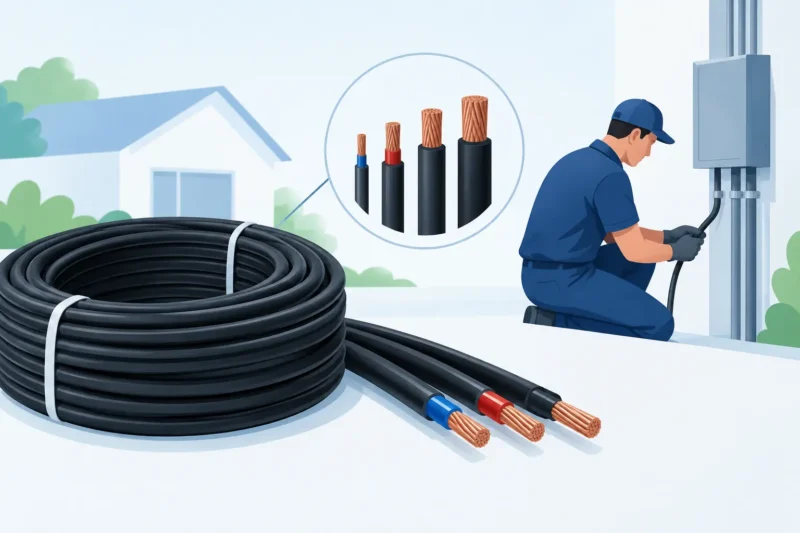
The mounting bracket may look tidy, but the electrical work determines whether the system is reliable. Proper cable sizing, fusing, relays, connectors and earth points are not optional details. They protect the vehicle and help the generator operate consistently. The minimum size cable used to power Hydrogen systems is 8mm BandS twin core double insulated electrical cable. This size cable has very low resistance and avoids wasting electrical energy as Heat Energy.
The kit should be wired so it operates in the intended conditions, rather than running unattended when the engine is off. Wiring must be secured away from heat, steering components and points where it can chafe through. Connections should be protected from moisture and vibration, especially on work vehicles, off-road vehicles and marine equipment.
A professional fitment also accounts for modern vehicle electronics. Late-model diesels can have complex charging systems, sensitive sensors and tightly packed engine bays. The installer must understand what they are connecting to and avoid interfering with factory wiring or engine-management components.
An HHO system generates hydrogen and oxygen on board, then feeds the gas through correctly routed tubing into the intake system. That sounds straightforward. It is not a place for shortcuts.
Hose routing must be secure, heat-resistant where required and protected from kinking or crushing. Filters, bubbler arrangements and safety components must be fitted in the right direction and placed where they can be inspected. Intake connection points need to be chosen carefully so the gas is introduced appropriately without creating leaks or compromising other engine hardware.
The electrolyte reservoir also needs a sensible location. It should be easy to top up, firmly secured and kept clear of areas where a spill could cause corrosion or damage. An installer who hides every component for appearance but makes routine maintenance difficult has not delivered a practical system. Complete Kits come with the electrolyte reservoir mounted into an enclosure box with the Power supply and electrolysis unit. For trucking, Genset, farming, Mining and Marine applications larger electrolyte reservoirs are used which are a distance away from the electrolysis unit. In these situations the Electrolyte Pump should still be mounted close to the electrolysis unit to provide Sufficient Pressure head to ensure Turbulent flow past teh electroldes.
Ask how the installer handles these basics. If the answer is vague, or they cannot explain the purpose of the fuse, relay, filter, hoses and mounting arrangement, keep looking. The right person should be able to walk you through the installation in plain mechanical language.
Hydrogen enhancement is purchased for operating results: lower fuel use, cleaner combustion, improved throttle response and reduced exhaust emissions. Those outcomes can be valuable, particularly where fuel is a major business cost. But a credible installer will not pretend every vehicle produces the same percentage improvement.
Actual results depend on engine health, driving style, payload, terrain, idling time, fuel quality and maintenance condition. A worn injector, blocked air filter, slipping transmission or failed sensor will not be fixed by adding an HHO kit. Address existing faults first, then measure the effect of the system against a genuine baseline.
For fleets and owner-drivers, the cleanest approach is to record fuel purchases, odometer readings, hours worked, average loads and normal routes before installation. Continue recording them after fitment over enough kilometres or operating hours to smooth out one unusual tank of fuel or one easy week of work. That is how a claimed saving becomes a business number.
Hydrogen Fuel Systems supports its kit range with application guidance, technical material and documented test information. That matters because buyers should be able to examine the equipment, understand the intended fitment and make a decision based on more than a sales pitch.
Before handing over your vehicle, ask whether the installer has worked on your engine type and whether they will assess the charging system first. Contact Gavan Knox on +61 403177183 to Confirm which generator size is recommended and why. You should also know where each component will be mounted, how the kit is fused and how the gas line will be protected.
Ask what maintenance you will be responsible for. HHO systems are not fit-and-forget accessories. Depending on the configuration and use, owners may need to check fluid level, inspect connections, keep filters clean and monitor the condition of the electrolyte. A good installer gives you clear instructions instead of leaving you to work it out after the vehicle leaves the workshop. Distilled water Must be used, not tap water ( which contains high levels of flouride and other dissolved salts), A specialist patented “Resin filter” can be purchased from Gavan to purify Tap water and even Ground water to high Quality Pure water with extremely low ppm levels of any impurities
It is also reasonable to ask about support if a hose, connector or component needs replacement. Parts availability matters more to a regional operator, tradie or fleet manager than a flashy installation photo. Downtime costs money.
Finally, discuss compliance, insurance and warranty implications for your particular vehicle. Requirements can vary by vehicle type, modification and insurer. A straight answer at the start is far better than a problem when a claim or inspection arises later.
The cheapest quote is not always the lowest-cost option. An installer who uses weak brackets (for An installer who uses weak brackets for Mounting a steel box, Aluminium Box, Plastic Battery Box or Dewalt2Toughbox enclosure), poor wiring practices or unsuitable components can leave you with repeat repairs, electrical issues and a system that never gets the chance to perform as intended. Paying for correct generator sizing, secure mounting, protected wiring and proper commissioning is paying for usable results.
For Austrlain vehicle owners, the best HHO installation is one that remains reliable through summer heat, daily work, rough tracks and long highway kilometres. Choose an installer who starts with the engine and the workload, documents the fitment and gives you a clear plan for measuring what the system delivers.
by Gavan Knox MSc, BSc, BEd, Inventor
WhatsApp call +61 403177183
contact gavan@hfuel.com.au
https://hydrogenfuelsystems.com.au
Brilliant Invention Gen 20 Hydrogen Generator ---(update Feb 7... Full Story

by Gavan Knox HFS whats app +61 403177183 gavan@hfuel.com.au... Full Story
HHO Cable Sizing Guide for Reliable Installs - Oct... Full Story
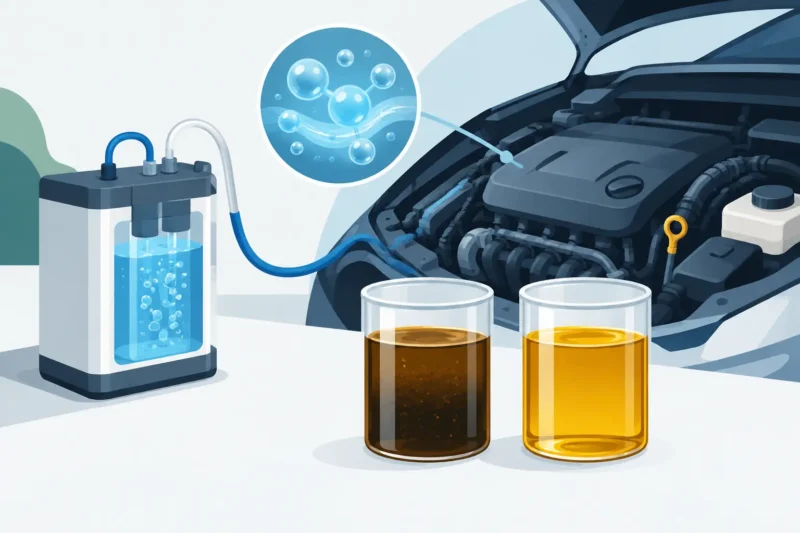
Does HHO Affect Engine Oil? What Drivers See -... Full Story
Best Vehicles for HHO Upgrades in Australia - Oct... Full Story
Payment Methods Partner:

© 2023 - Hydrogenfuelsystems pty ltd