Brilliant Invention Gen 20 Hydrogen Generator July 2 2026
Brilliant Invention Gen 20 Hydrogen Generator ---(update Feb 7... Full Story
Perth, West Australia




by Gavan Knox MSc, BSc, BEd.
WhatsApp call +61 403177183
contact gavan@hfuel.com.au
https://hydrogenfuelsystems.com.au
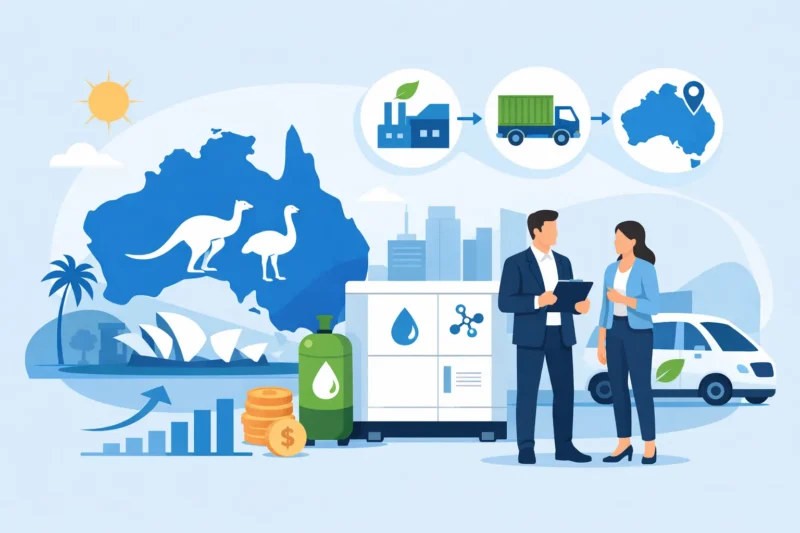
How to Become an HHO Distributor in Australia. Fuel is one of the biggest operating costs for owner-drivers, fleet operators, tradies and machinery users. If you want to become an HHO distributor in Australia, you are not simply selling an accessory – you are offering a fuel-saving and engine-performance solution to people who measure every litre, every job and every kilometre.
The opportunity is strongest when it is handled properly. Customers need clear product selection, realistic application advice, professional installation support and documentation they can inspect before they spend. The distributors who build repeat business are the ones who understand engines, ask the right questions and sell on evidence rather than hype.

Australia is built around vehicles and equipment that work hard. Diesel utes, 4WDs, trucks, marine engines, generators and agricultural machinery often operate long hours under load. For many operators, a reduction in fuel use or an improvement in combustion efficiency can have a direct effect on margins.
That creates a practical sales conversation. Instead of leading with vague environmental claims, lead with operating cost, engine response, reduced exhaust emissions and the potential for cleaner combustion. A driver covering serious kilometres each week has a very different reason to buy than a weekend 4WD owner. Both may be interested in HHO technology, but their return-on-investment calculation is not the same.
There is also room for a distributor to create ongoing revenue. Customers may need replacement filters, parts, system upgrades, installation assistance or advice as they add vehicles and equipment. A properly supported first sale can lead to workshop referrals, fleet discussions and repeat orders.
An HHO system generates hydrogen and oxygen on board, using electrical power and an electrolyte solution. The gas is introduced into the engine intake to support more complete combustion. The commercial aim is straightforward: help the engine burn its fuel charge more efficiently while supporting power, torque, fuel economy and emissions outcomes.
But the technical detail matters. A customer with a small petrol car does not need the same system as a heavy-duty diesel truck, a generator or a marine application. Hydrogen Fuel Systems offers Gen 10, Gen 15, Gen 20 and Gen 25 systems to suit different engine sizes and working conditions. A distributor must be able to match generator capacity, power supply components, plumbing, mounting location and installation method to the application.
Do not promise a fixed saving before you know the vehicle, duty cycle and existing condition. Fuel results can vary with engine size, kilometres travelled, load, terrain, driving style, maintenance and the quality of the installation. Strong distributors explain the potential benefit, then establish a baseline so the customer can measure their own result.
That approach protects your reputation. It also separates you from sellers who throw around big numbers but cannot explain how a system works, where it is fitted or what evidence supports it.
Technical buyers want proof they can review. Keep product specifications, installation instructions, test reports, certification documents, patent information and application guidance ready for every serious enquiry. A fleet manager may want a different level of detail to a private vehicle owner, but both need confidence that the system is engineered for real-world use.
Documentation does not replace practical knowledge. It gives your practical advice weight. If you can show a customer why a particular system suits their engine and walk them through the installation requirements, the conversation becomes far more credible.
The fastest way to waste advertising dollars is to market to everyone with an engine. Start with users who have a clear fuel-cost problem and enough operating hours to see whether the system performs for their application.
High-kilometre owner-drivers, transport operators, delivery fleets, civil contractors, farms, marine operators, mining support vehicles and generator users are strong prospects. So are workshops that already service diesel vehicles and have customers asking about fuel economy, emissions or engine performance. In cities such as Perth, Brisbane and Melbourne, as well as regional areas with transport, agriculture and mining activity, the market can be substantial when you target the right equipment.
Ask practical questions before quoting. What engine is it? Petrol or diesel? What is the displacement? How many kilometres or operating hours does it complete each week? Is it naturally aspirated or turbocharged? Does it tow, carry loads, idle for long periods or operate in harsh conditions? Is there room for safe mounting under the bonnet or elsewhere in the engine bay?
Those questions do two jobs. They help you recommend the right package, and they show the buyer that you are not guessing.
A good product can be undermined by a poor installation. Mounting must be secure, hoses routed safely, electrical components protected, fusing correct and all connections checked before the vehicle goes back into service. A rushed fitment creates leaks, wiring faults, unhappy customers and a damaged local reputation.
You do not have to personally install every system, but you do need a reliable process. Some distributors build the business around their own workshop. Others partner with capable auto electricians, diesel mechanics or performance workshops. Either model can work if the installer follows the supplied technical guidance and understands the vehicle being modified.
Create a handover procedure. Confirm the customer knows how to check fluid levels, recognise normal operation, maintain the system and contact you if there is a problem. Record the installation date, vehicle details, engine details and parts used. This is useful for support, warranty discussions and future sales.
You should also make compliance part of the conversation. Vehicle modification, roadworthiness, insurance and workplace requirements can vary by state, vehicle class and application. Encourage customers to check their obligations and use qualified installers where required. Commercial confidence comes from doing the job properly, not from cutting corners.
Most customers are not buying hydrogen generation because they want a science project under the bonnet. They want lower running costs, improved engine behaviour and a system that earns its place on the vehicle.
Help the buyer calculate their baseline. For a truck, that may mean litres per 100 kilometres over a representative route. For a generator, it may mean litres per operating hour at a known load. For a boat, it may be fuel use across regular trips. Capture the figures before installation, then compare them over enough time to account for changing conditions.
The payback period depends on fuel price, usage and the result achieved. A high-use fleet vehicle can justify the investment much faster than a lightly driven family car. Be direct about that. Honest qualification improves close rates because buyers can see you are focused on whether the system suits their operation, not just on making a sale.
Where fuel savings are a key motivation, advise customers to keep records. Fuel receipts, kilometres, hours and maintenance notes turn a claim into a usable case study. They can also become powerful local proof when the next fleet operator asks what the system has delivered in practice.
Your sales process should be simple: qualify the application, recommend the correct system, explain installation requirements, provide the technical material, close the order and support the customer after fitment. Avoid overwhelming buyers with chemistry. Give them the information that matters to their engine and their costs.
After installation, follow up. Ask whether the vehicle is operating correctly, whether the owner has started recording fuel use and whether they need help with maintenance. A customer who feels supported is far more likely to refer another driver, workshop or business owner.
Photos of clean installations, documented vehicle details and genuine customer feedback are valuable sales tools. Keep the focus on the application. A Gen 20 fitted to a working diesel vehicle tells a stronger story when prospects know the engine type, use case and reason the customer chose it.
The best HHO distributors are technically switched on, commercially sharp and easy to reach. They do not pretend every vehicle will produce the same outcome. They match the system to the job, back the recommendation with documentation and stay involved after the sale.
If you are serious about building an HHO distributor business, start with the vehicles and operators you understand best. Learn the product range, set a high installation standard and make every customer result worth talking about. That is how a one-off kit sale becomes a respected local fuel-saving and performance business.
by Gavan Knox MSc, BSc, BEd.
WhatsApp call +61 403177183
contact gavan@hfuel.com.au
https://hydrogenfuelsystems.com.au
Wednesday, July 15, 2026
Thursday, July 16, 2026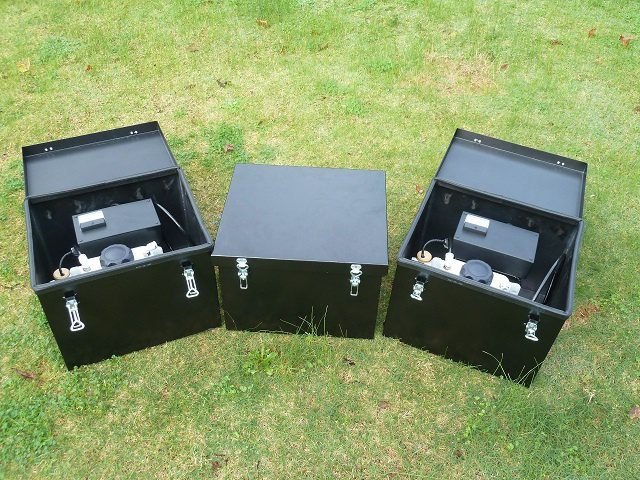
Brilliant Invention Gen 20 Hydrogen Generator ---(update Feb 7... Full Story

by Gavan Knox HFS whats app +61 403177183 gavan@hfuel.com.au... Full Story
A diesel that is smoking, using more fuel or... Full Story

How Do DC-DC Boost Regulators Affect Hydrogen Gas Production?... Full Story
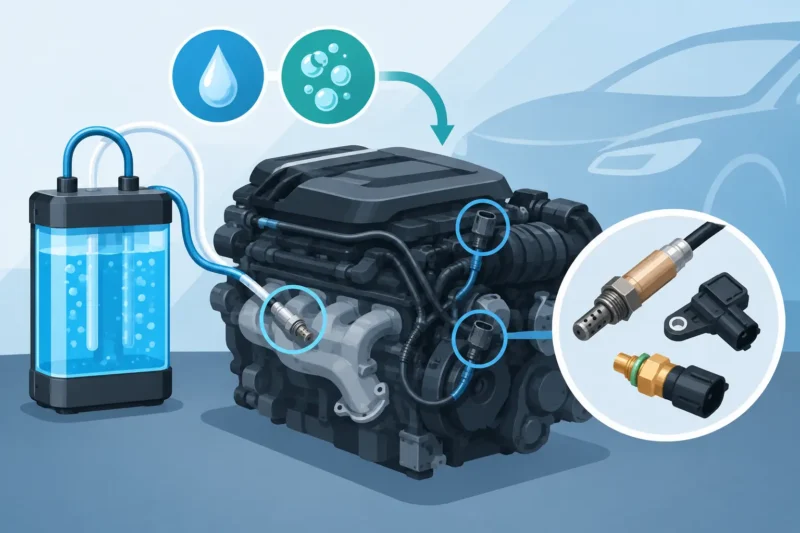
## Can HHO Affect Engine Sensors? What to Check... Full Story
Payment Methods Partner:

© 2023 - Hydrogenfuelsystems pty ltd