Brilliant Invention Gen 20 Hydrogen Generator July 2 2026
Brilliant Invention Gen 20 Hydrogen Generator ---(update Feb 7... Full Story
Perth, West Australia




by Gavan Knox MSc, BSc, BEd, Inventor
WhatsApp call +61 403177183
contact gavan@hfuel.com.au
https://hydrogenfuelsystems.com.au
Best Marine Fuel Upgrades for Working Boats – Oct 4. A boat that burns more fuel than it should is not just expensive at the bowser. It cuts into every job, every charter and every run offshore. The best marine fuel upgrades target the real causes of wasted diesel or petrol: poor fuel quality, restricted delivery, incomplete combustion, excess idling and an engine that is no longer operating at its best.
For Australian boat owners, the right upgrade is rarely the shiniest component in a catalogue. It is the one that delivers a measurable improvement on your engine, under your load, on your normal routes. Start with the fundamentals, then add technology where the numbers stack up.
Before fitting any performance system, make sure the engine is receiving clean, unrestricted fuel. Marine fuel lives in a harsh environment. Condensation, water contamination, microbial growth and sediment can build up in tanks, particularly in boats that sit for long periods between runs. A dirty fuel system can reduce power, raise fuel use and create the sort of reliability issue nobody wants outside the heads.
A quality primary fuel-water separator is one of the strongest upgrades for diesel boats. It removes water and contaminants before they reach the lift pump, injectors and high-pressure fuel equipment. Choose a unit with a clear bowl where permitted, a serviceable element and flow capacity that exceeds your engine’s maximum demand. Undersizing a filter is false economy – it can become a restriction at high load.
Tank cleaning also deserves attention. Replacing filters without dealing with sludge in the tank simply delays the problem. If filters repeatedly darken, block early or show water, inspect the tank and fuel pickup. A clean tank, sound breather and fresh filter elements give every later upgrade a fair chance to perform.
Old hose can collapse internally, shed debris or allow air into the low-pressure side of the system. Air leaks are especially frustrating because they may not leave an obvious fuel leak. The engine may start hard, hunt at idle or lose power when pushed. Renewing suspect hose, clamps and seals is a practical job that protects both fuel economy and uptime.
Marine operators sometimes chase engine modifications while towing a dirty hull through the water. That is backwards. Hull fouling and propeller damage increase drag, forcing the engine to burn more fuel to maintain the same speed. On a workboat, that penalty can be substantial over a season.
Keep the hull clean and apply a suitable antifouling system for the boat’s operating pattern and local waters. Inspect the propeller for bent blades, corrosion, rough edges, fishing line and damage around the hub. A correctly pitched, balanced propeller lets the engine reach its intended operating range without overloading or over-revving.
Prop selection is not one-size-fits-all. A boat carrying heavy gear, ice, passengers or commercial equipment may need a different pitch to a lightly loaded recreational vessel. Measure wide-open-throttle rpm against the engine manufacturer’s specification with the boat in its real working condition. If the engine cannot reach the correct range, fuel economy and engine life can both suffer.
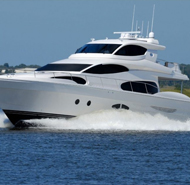
Once fuel supply, hull condition and propeller setup are right, combustion efficiency is the next place to look. An on-board hydrogen generator, commonly called an HHO kit, adds hydrogen-rich gas to the intake air. The purpose is to support a faster, more complete burn of the fuel already being injected.
For suitable petrol and diesel marine engines, a properly sized system can help reduce fuel consumption, improve throttle response and lower visible smoke under load. The outcome depends on engine condition, displacement, duty cycle, load profile and installation quality. A vessel running long, consistent hours under load is generally a better candidate for tracking fuel savings than a weekend boat that idles, trolls and runs at mixed speeds.
Hydrogen Fuel Systems offers marine-capable generator sizes and application guidance designed around engine capacity and operating demand. The key is system matching. A small unit on a large commercial diesel will not deliver the gas volume required to make a meaningful difference, while an oversized or poorly installed system creates unnecessary complexity.
Marine installation needs more care than a basic vehicle fitment. Components must be securely mounted, protected from vibration, wired with correct fusing and isolated from heat, salt spray and direct water exposure. Hose routing must avoid chafe and hot exhaust components. Electrical connections need marine-grade protection, and the system should be installed so routine checks are straightforward.
A hydrogen assistance system is not a substitute for repairing worn injectors, a failing turbocharger, poor compression or an engine management fault. Fix existing defects first. Then establish a fuel-use baseline before installation and compare it over enough operating hours to account for weather, load, tide and skipper behaviour.

If you cannot measure fuel burn, you cannot prove a saving. A fuel-flow monitor is one of the most valuable upgrades for boats where operating cost matters. It shows litres per hour, total fuel used and, in many setups, litres per nautical mile. That gives operators immediate feedback on trim, throttle setting, route choice and load management.
For diesel engines with return lines, use a monitoring solution designed to measure supply and return flow accurately. For petrol outboards and simpler fuel systems, compatible engine data can often provide useful consumption figures. The goal is not dashboard clutter. The goal is knowing what your boat actually costs to run at different speeds and loads.
Engine monitoring can also flag developing problems. Rising fuel burn at the same rpm may point to hull fouling, propeller damage, a restricted filter, injector issues or changing load. Exhaust gas temperature, coolant temperature, boost pressure and battery voltage are useful supporting data on larger installations.
Injectors meter fuel in extremely precise quantities. When spray patterns deteriorate, fuel atomisation suffers and combustion becomes less efficient. Symptoms can include smoke, rough running, difficult starts, reduced power and higher fuel use. On common-rail engines, diagnosis should be carried out with appropriate test equipment rather than assumptions.
Air restriction matters just as much. Replace or service air filters on schedule, inspect intake ducting and check turbocharger hoses for leaks. A boost leak means the engine may receive less air than the control system expects, which can raise exhaust temperatures and reduce performance. On a marine diesel that works hard for long periods, small intake faults quickly become expensive.
These are not glamorous upgrades, but they are often where the easiest gains are found. A clean air path, healthy injectors and unrestricted fuel delivery create the conditions for lower fuel use and stronger pulling power.
The best option changes with the boat. A commercial cray boat, charter vessel, aluminium runabout and sailing auxiliary do not burn fuel in the same way.
A high-hour commercial vessel should prioritise accurate fuel monitoring, tank hygiene, propeller efficiency and upgrades with a clear payback period. Track litres per hour before and after each change. A recreational boat that sits for weeks may see its biggest win from fuel stabilisation, water separation, battery maintenance and preventing contamination. A heavy trailer boat may benefit more from correct propeller setup than any engine add-on.
Avoid buying on headline claims alone. Ask what engine size the upgrade suits, how it is installed, what maintenance it needs and how performance will be measured. Tested components, documented installation instructions and realistic operating data matter more than generic promises.
Start by recording current consumption across normal operating conditions. Note engine hours, litres added, average load, speed and sea state. Then deal with obvious drag and maintenance issues before fitting a combustion-enhancement system or other technology. This sequence prevents you from paying for a performance upgrade while a blocked filter or fouled hull continues to waste fuel.
The strongest marine fuel strategy is not a single part. It is a properly maintained boat with clean fuel, efficient propulsion, reliable engine data and combustion support matched to the engine’s workload. Put numbers around every change, keep the upgrades that pay their way, and your boat will work harder for every litre it burns.
by Gavan Knox MSc, BSc, BEd, Inventor
WhatsApp call +61 403177183
contact gavan@hfuel.com.au
https://hydrogenfuelsystems.com.au
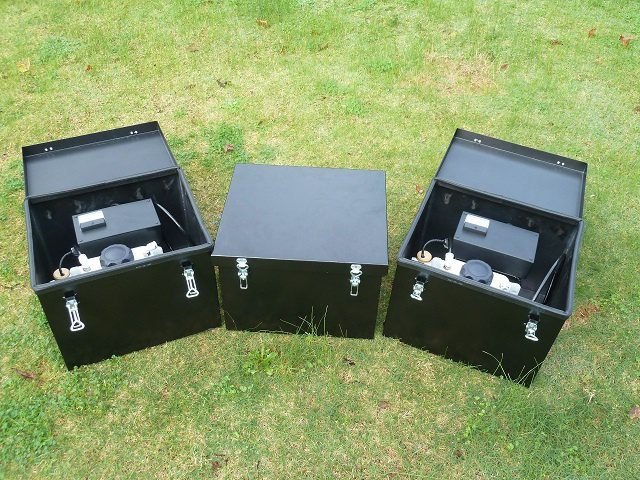
Brilliant Invention Gen 20 Hydrogen Generator ---(update Feb 7... Full Story

by Gavan Knox HFS whats app +61 403177183 gavan@hfuel.com.au... Full Story
Hydrogen Cell Reviews for Real Engine Results - Oct... Full Story
Best Marine Fuel Upgrades for Working Boats - Oct... Full Story
How 24V-to-13.8V Buck Configuration Regulators Affect HHO generation in... Full Story
Payment Methods Partner:

© 2023 - Hydrogenfuelsystems pty ltd