Brilliant Invention Gen 20 Hydrogen Generator July 2 2026
Brilliant Invention Gen 20 Hydrogen Generator ---(update Feb 7... Full Story
Perth, West Australia





by Gavan Knox MSc, BSc, BEd, Inventor
WhatsApp call +61 403177183
contact gavan@hfuel.com.au
https://hydrogenfuelsystems.com.au
Bus Fleet Hydrogen Retrofit Results That Matter- Sept 20. A bus fleet does not need another promise. It needs lower litres per 100 km, clean repeatable data and equipment that earns its place under the bonnet. That is why bus fleet hydrogen retrofit results must be measured against actual routes, loads, idling time and driver behaviour – not a single tank refill or a short, favourable test run.
An on-board hydrogen generator, often called an HHO system, is not a replacement for diesel or petrol. It produces a controlled hydrogen and oxygen gas mixture intended to support more complete combustion in an internal combustion engine. For fleet operators, the commercial question is simple: can the system reduce fuel consumption, improve combustion quality and support lower operating costs without creating a maintenance headache?
The answer depends on the engine, duty cycle, installation quality and, most importantly, how the trial is run. A city route with constant stops produces a very different outcome from an airport shuttle or regional coach operation. The right approach is to test hard, compare like with like and keep only the results that stand up to scrutiny.

The strongest result is not a headline percentage. It is a consistent downward movement in fuel used per kilometre across enough operating hours to rule out luck. For a depot manager, that means comparing litres per 100 km, litres per engine hour and total fuel spend against a baseline collected before installation.
A well-managed retrofit trial can also look at smoke, exhaust emissions, idle quality and engine response under load. Better combustion can reduce unburnt fuel and carbon build-up, which may be valuable for buses that spend long periods idling, pulling away from stops and operating in congested urban traffic. But these gains need to be demonstrated on the fleet’s own vehicles.
Expect variation between buses. Older engines with uneven maintenance history, dirty intake components, injector issues or existing fault codes are not ideal test candidates. A hydrogen enhancement system cannot repair worn injectors, a blocked air filter, boost leaks or a failing EGR system. Start with a mechanically sound vehicle, then the fuel figures have meaning.
For larger engines, system sizing also matters. An under-sized generator may not deliver enough gas volume to make a measurable difference under sustained load. An overcomplicated installation that is poorly matched to the electrical system can create problems that no fleet needs. The setup must suit the engine capacity, electrical supply and daily operating pattern.

Before fitting anything, record at least several weeks of normal operation. Use fuel-card data where possible, matched to odometer readings, route allocation and vehicle number. If the bus runs fixed work, the comparison is cleaner. If it rotates across routes, capture enough data to account for those changes.
The baseline should include fuel consumption, kilometres travelled, engine hours, average passenger load where available, idle time and any active maintenance issues. Weather, air-conditioning demand and major diversions can also affect fuel use. You do not need a university laboratory to run a useful trial, but you do need discipline.
Avoid judging a retrofit by one before-and-after fill. Fill levels vary, pumps cut off differently and drivers do not all operate the same way. A bus may return an impressive number one week simply because it had less traffic, fewer hills or a lighter passenger load. Fleet decisions should be based on a trend across multiple refuelling cycles.
For a practical trial, choose comparable buses or use the same vehicle across comparable weeks. Keep tyre pressures, servicing intervals and route allocations as steady as possible. Ask drivers not to change their driving style just because a test is underway. The goal is not to manufacture a result. It is to find out whether the result survives normal work.
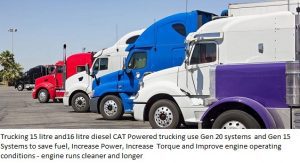
Fuel is usually the first number operators care about, and rightly so. On a high-kilometre bus, even a modest, repeatable reduction in fuel use can add up quickly across a year. The calculation should be based on the fleet’s actual average consumption, annual kilometres and diesel price – not a generic savings claim.
For example, a bus travelling 70,000 km a year at 35 litres per 100 km uses 24,500 litres annually. If a properly controlled trial shows a sustained improvement, the annual fuel reduction can be calculated in litres and dollars immediately. That gives management a payback model based on its own operating reality.
However, operating return is broader than fuel. If improved combustion reduces visible smoke, supports cleaner running or helps limit carbon-related fouling, there may be maintenance benefits as well. These outcomes are harder to price because they depend on the bus, service schedule and existing condition. Treat them as supporting evidence unless your workshop records show a clear pattern over time.
Do not claim savings simply because the engine feels sharper. Better throttle response can be useful, particularly when a fully loaded bus pulls away from a stop, but driver feel is subjective. Pair driver feedback with fuel data, diagnostic readings and workshop inspections.

Emission outcomes are often part of the reason fleets investigate hydrogen enhancement. A more complete burn may reduce certain exhaust components, but the only credible way to establish that on a particular bus is through before-and-after testing using the same method.
Use a qualified emissions test provider or suitable workshop equipment, and take readings with the engine at comparable operating temperature. Record the test conditions, fuel type, odometer reading and any recent servicing. If one test is performed immediately after an injector service and the other months later under different conditions, the comparison is weak.
For fleets working in Australian cities, cleaner exhaust performance can matter where buses spend hours near passengers, footpaths and depot staff. It can also support internal sustainability targets. Still, emissions results should be reported carefully. A retrofit is an engine enhancement system, not a substitute for meeting applicable Australian vehicle standards, maintenance obligations or local regulatory requirements.
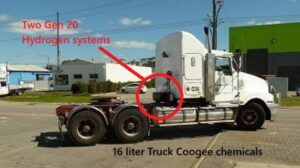
A sound product can produce poor fleet results if the installation is rushed. The generator, electrical connections, fusing, wiring protection, hose routing and mounting points all need to be chosen for heavy daily use. A bus vibrates, heats up, idles for extended periods and sees regular workshop access. The system must be secure, serviceable and protected from chafing and contamination.
The electrical supply deserves special attention. An on-board generator draws power, so installers must ensure alternator capacity, cable sizing, relays and fusing are correct for the vehicle. Poor connections create voltage drop and unreliable output. Worse, they can create an avoidable safety risk.
Maintenance staff should know what has been installed and how to inspect it. Clear documentation, a parts list and defined service checks prevent confusion when a bus comes in for scheduled work. Hydrogen Fuel Systems positions its kits around application-specific sizing, installation material and test-based performance support – the same standard fleet operators should demand from any supplier.

Hydrogen retrofit results are not identical across every fleet. A bus with very low annual kilometres may take longer to recover the installation cost. A vehicle due for replacement soon may not offer enough remaining service life. Newer buses with tightly controlled emissions systems require careful assessment before any modification, particularly where warranties, compliance requirements or manufacturer policies apply.
Likewise, do not use a retrofit as a shortcut around overdue engine repairs. Diagnose faults first. Repair air leaks, injector problems, cooling issues and exhaust restrictions before measuring hydrogen enhancement. A clean baseline vehicle gives the system a fair chance and gives the operator trustworthy numbers.

The fleet operators who get value from a hydrogen retrofit do not buy on hype alone. They nominate a suitable bus, establish baseline consumption, install correctly, monitor the vehicle over meaningful kilometres and calculate savings from real depot records. If the improvement repeats, they have a case for a wider rollout. If it does not, they have avoided an expensive assumption.
That is the practical standard for bus fleet hydrogen retrofit results: fewer litres consumed for the same work, supported by disciplined data and a properly maintained engine. Put the system to work where the kilometres are high, the records are clean and every saved litre has a direct impact on the bottom line.
by Gavan Knox MSc, BSc, BEd, Inventor
WhatsApp call +61 403177183
contact gavan@hfuel.com.au
https://hydrogenfuelsystems.com.au
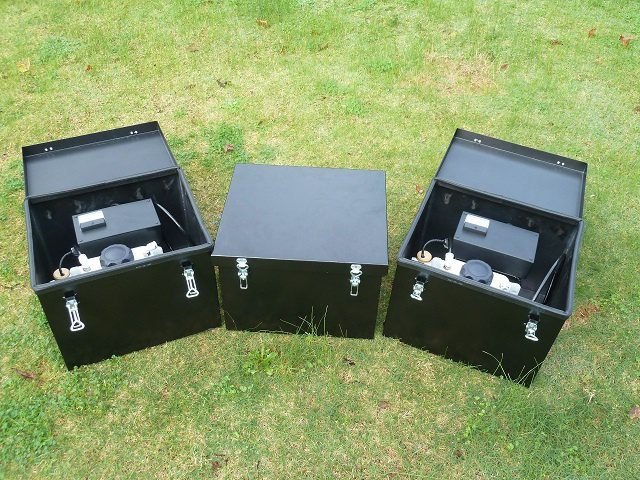
Brilliant Invention Gen 20 Hydrogen Generator ---(update Feb 7... Full Story

by Gavan Knox HFS whats app +61 403177183 gavan@hfuel.com.au... Full Story
A diesel that is smoking, using more fuel or... Full Story

How Do DC-DC Boost Regulators Affect Hydrogen Gas Production?... Full Story
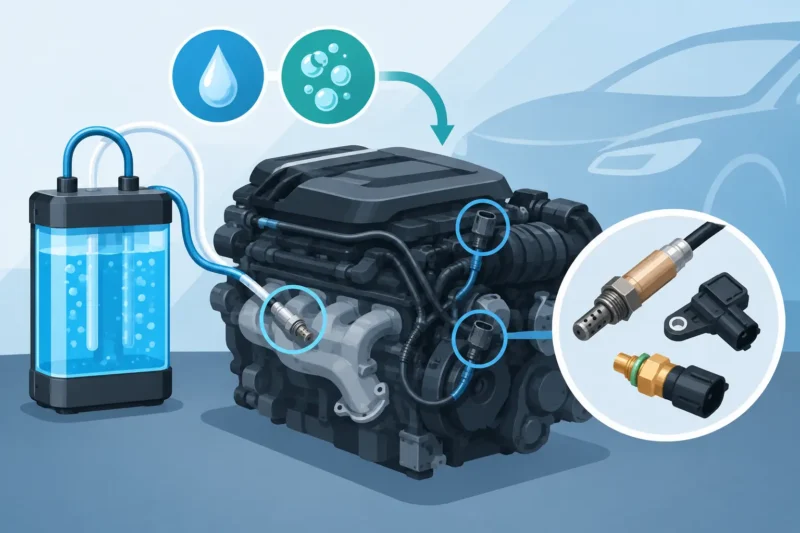
## Can HHO Affect Engine Sensors? What to Check... Full Story
Payment Methods Partner:

© 2023 - Hydrogenfuelsystems pty ltd