Brilliant Invention Gen 20 Hydrogen Generator July 2 2026
Brilliant Invention Gen 20 Hydrogen Generator ---(update Feb 7... Full Story
Perth, West Australia




by Gavan Knox MSc, BSc, BEd, Inventor
WhatsApp call +61 403177183
contact gavan@hfuel.com.au
https://hydrogenfuelsystems.com.au
Can HHO Reduce Soot in Hard-Working Diesels? – August 17A black haze under load is more than an emissions issue. It is fuel leaving the exhaust as unburnt carbon, coating the tailpipe, loading the DPF and signalling that combustion is not as clean as it should be. So, can HHO reduce soot in a hard-working diesel? It can support the conditions for a cleaner burn, but the result depends on the engine, the kit output, the installation and how the vehicle is actually worked.
For fleet operators, tradies, 4WD owners and machinery users, that distinction matters. A system that looks good at idle but delivers no measurable change while hauling a trailer, climbing a range or running a generator is not a result. The right question is not whether hydrogen sounds clever. It is whether it improves combustion enough to reduce smoke, protect the exhaust system and lower operating costs in your real duty cycle.
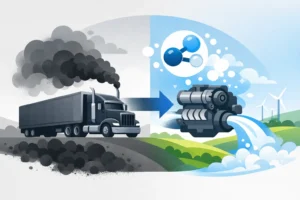
Diesel soot forms when fuel is injected into areas of the combustion chamber that do not have enough oxygen or time to burn completely. Under acceleration, heavy load, poor atomisation, dirty intake components or incorrect fuelling, those local rich zones become more severe. The result is particulate matter – the black carbon seen as smoke in older or poorly tuned diesels.
Modern diesels complicate the picture. Exhaust gas recirculation, turbocharger response, injector strategy and DPF operation all influence soot output. A vehicle may show no visible smoke because the DPF catches it, while the filter is quietly accumulating load faster than it should. Another vehicle without a DPF may make the problem obvious every time the driver puts the foot down.
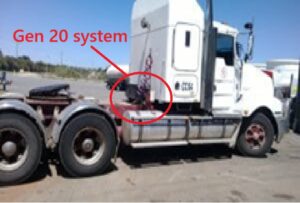
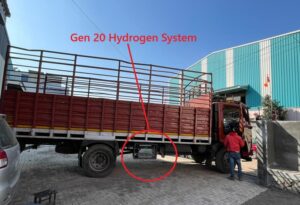

Soot is not caused by one fault alone. Worn injectors, restricted air filters, boost leaks, a sticking EGR valve, poor fuel quality, excessive oil consumption and an unsuitable tune can all be part of the problem. No HHO system should be sold as a substitute for fixing a mechanical fault.
HHO is a mixture of hydrogen and oxygen produced on board through electrolysis and introduced into the engine intake. Hydrogen has a very low ignition energy and a fast flame speed. In the right application, that can help initiate and spread combustion through the diesel-air mixture more effectively.
The practical aim is straightforward: burn more of the injected fuel in the cylinder rather than allowing carbon-rich particles to leave in the exhaust. When combustion quality improves, operators may see less visible smoke under load, cleaner exhaust components and a slower rate of DPF soot accumulation. Better combustion can also support fuel efficiency and drivability gains, which is why soot reduction should be assessed alongside fuel use and engine response rather than in isolation.
But HHO is a combustion supplement, not a magic gas. The volume introduced is small compared with the engine’s total intake airflow. Its usefulness relies on delivering a stable gas supply at the right rate, using correct safety hardware and matching the system to the engine’s size and workload. A lightly used passenger diesel and a constantly loaded ute, truck or marine engine do not require the same approach.
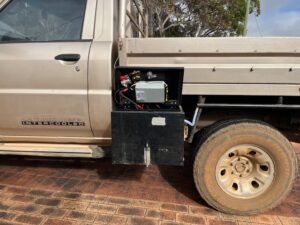
An engine already running cleanly, with healthy injectors, unrestricted intake air and well-managed fuelling, may show only a modest soot change. An engine that has been over-fuelling or operating inefficiently under load may have more room for improvement once underlying faults are repaired and combustion support is added.
Operating conditions also matter. Long highway work at steady load is different from stop-start city driving, short trips or repeated cold starts. Generator and marine applications can be especially worthwhile to assess because they often run for extended periods at a consistent load, making before-and-after fuel and exhaust testing easier to compare.
Visible black smoke is useful evidence, but it is not the full measurement. A quick puff during a gear change is different from sustained smoke while pulling a load. Likewise, a clean-looking tailpipe on a DPF-equipped vehicle does not prove that soot production is low. It may simply mean the DPF is doing its job.
For non-DPF diesels, an opacity test under repeatable load is one of the most practical ways to measure change. For DPF-equipped vehicles, monitor differential pressure, regeneration frequency and diagnostic soot-load data where available. A workshop-grade particulate test is stronger again, particularly for fleets that need evidence before fitting equipment across multiple vehicles.
Fuel consumption must be measured properly as well. Use the same route, payload, driver behaviour and fuel where possible. A single tank filled after different driving conditions proves very little. Fleet data gathered over several weeks is far more useful than an optimistic claim based on one run around the block.
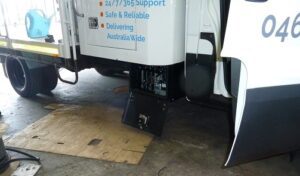
If your diesel suddenly starts smoking, diagnose it first. Check the air filter and intake tract, inspect intercooler hoses for leaks, verify boost pressure, assess injector health and look for EGR or turbocharger issues. Also check oil level and oil consumption. Burning oil can create particulate emissions that hydrogen supplementation will not solve.
Once the engine is mechanically sound, an HHO system can be assessed as an efficiency upgrade. The installation needs a fused electrical supply, correctly sized wiring, secure mounting, leak-free gas plumbing and flashback protection. The electrolyser, reservoir and fittings must be positioned away from excessive heat and moving components. A loose hose or poor electrical connection has no place under the bonnet of a working vehicle.
Do not bypass, remove or defeat emissions equipment to chase a result. Australian road rules, warranty requirements and emissions obligations still apply. The goal is to improve combustion while keeping the vehicle safe, compliant and reliable.

System size matters. A small generator may be suitable for a passenger vehicle, but it can be undersized for a large-capacity diesel, a loaded 4WD, a truck or a high-hour generator. Oversizing without considering electrical load, installation space and actual gas demand is not smart engineering either.
This is where application-specific guidance earns its keep. Hydrogen Fuel Systems offers different generator sizes for vehicles, trucks, marine engines and stationary equipment, so the system can be selected around capacity and workload rather than guesswork. Ask for installation documentation, component specifications and test material relevant to your engine type before making a decision.
A professionally fitted system should be easy to inspect and maintain. Check electrolyte level where applicable, inspect electrical terminals, confirm hoses remain secure and replace filters or service parts on schedule. Small maintenance checks protect the investment and keep output consistent.

Cleaner soot performance is valuable, but exhaust emissions are a balance. Changes that improve combustion temperature and burn speed can affect nitrogen oxide emissions in some engines. That is why a serious assessment looks at more than black smoke. It considers fuel use, opacity or particulate load, engine temperatures, diagnostic data and, where possible, full emissions readings.
The strongest case for HHO is not a promise that every engine will deliver the same number. It is a documented, repeatable improvement on a correctly maintained engine operating in a known workload. If a supplier cannot explain how output is matched, how the system is protected or how results should be measured, keep looking.
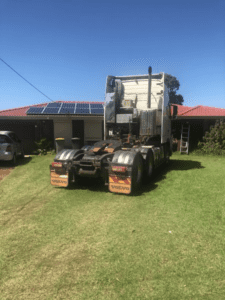
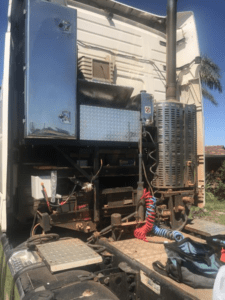
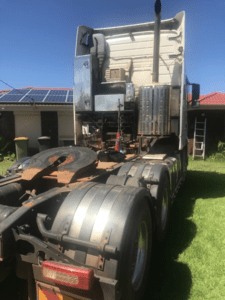
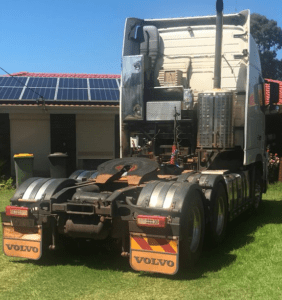
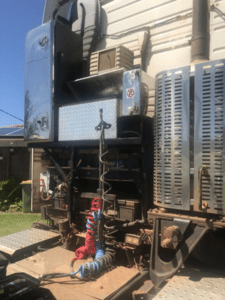
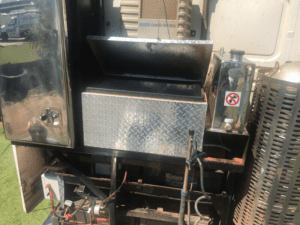
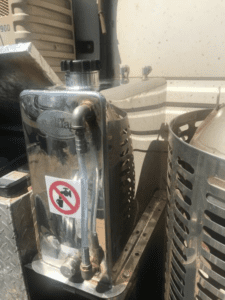

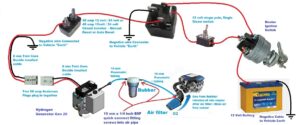
A diesel that works for its living deserves evidence, not guesswork. Repair the faults that create soot, fit equipment designed for the application, then test it under the loads that matter. That is how an HHO upgrade moves from an interesting idea to a decision that can be measured at the exhaust, at the pump and across the service schedule.
by Gavan Knox MSc, BSc, BEd.
WhatsApp call +61 403177183
contact gavan@hfuel.com.au
https://hydrogenfuelsystems.com.au
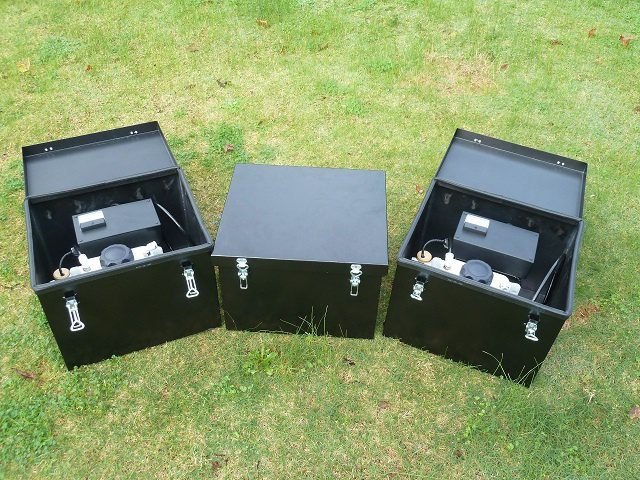
Brilliant Invention Gen 20 Hydrogen Generator ---(update Feb 7... Full Story

by Gavan Knox HFS whats app +61 403177183 gavan@hfuel.com.au... Full Story
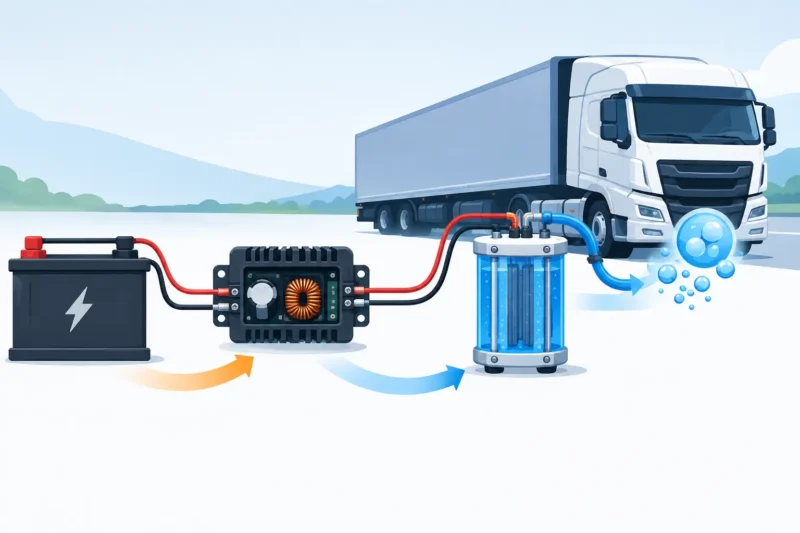
How 24V-to-13.8V Buck Configuration Regulators Affect HHO generation in... Full Story
A diesel that is smoking, using more fuel or... Full Story

How Do DC-DC Boost Regulators Affect Hydrogen Gas Production?... Full Story
Payment Methods Partner:

© 2023 - Hydrogenfuelsystems pty ltd