Brilliant Invention Gen 20 Hydrogen Generator July 2 2026
Brilliant Invention Gen 20 Hydrogen Generator ---(update Feb 7... Full Story
Perth, West Australia





by Gavan Knox MSc, BSc, BEd.
WhatsApp call +61 403177183
contact [email protected]
https://hydrogenfuelsystems.com.au
Diesel Efficiency Australia That Cuts Fuel Costs – August 15. Fuel is not a minor line item when your diesel works for a living. Whether it is a ute towing tools across Perth, a road truck running interstate, a 4WD hauling a caravan, a generator under constant load or a marine engine pushing against tide, poor combustion and wasted energy show up quickly at the bowser. Improving diesel efficiency Australia is about finding those losses, measuring them properly and choosing upgrades that make commercial sense.
The biggest mistake is chasing one miracle figure. Fuel use is affected by load, terrain, idle time, vehicle condition, driving habits, fuel quality and the way the engine burns each cycle. A serious efficiency plan looks at the whole operating picture, then proves its result in litres, kilometres and dollars.
Before changing a part, fitting an enhancement system or blaming the engine, establish a usable baseline. Fill the tank consistently, record litres purchased, kilometres travelled, hours operated and the work completed. For a truck or 4WD, litres per 100 km may be useful. For plant, generators and marine applications, litres per hour under a comparable load is often the figure that matters.

One tank tells you almost nothing. Wind, traffic, payload, road surface and regeneration cycles can move the result dramatically. Track several comparable operating cycles. A fleet should separate empty runs from loaded runs, city work from highway work, and idling from productive engine hours. That turns a vague feeling that the vehicle is using too much fuel into evidence you can act on.
It also stops false promises. Any supplier claiming the same fuel saving for every diesel, every driver and every workload should be challenged. The right question is not, “What percentage will I get?” It is, “What result can this engine produce in this duty cycle, and how will we verify it?”
A modern common-rail diesel can hide a costly fault while still starting, idling and driving reasonably well. The engine may be working harder than it should, injecting more fuel to achieve the same result. Older mechanical diesels can be even less forgiving when maintenance slips.
Restricted air filters, split intercooler hoses, leaking boost plumbing and dirty sensors all reduce the quality of combustion. If the turbo cannot deliver the intended air charge, the engine cannot burn fuel as efficiently under load. Black smoke, sluggish response and higher exhaust temperatures are warning signs, not personality traits of a hard-working diesel.
Fuel filtration matters just as much. Water contamination, blocked filters or inconsistent fuel supply can affect injector performance and atomisation. Diesel injectors are precision components. A poor spray pattern does not simply cost power – it can increase consumption, soot loading and wear.
Check the basics methodically: air intake condition, intercooler integrity, fuel filters, injector health, boost performance, exhaust restrictions and fault codes. On electronically controlled engines, scan data can reveal what a quick visual inspection cannot. Rail pressure, airflow readings, boost targets and regeneration activity provide useful clues.
Mechanical drag is expensive because it never appears as useful work. Underinflated tyres, poor wheel alignment, dragging brakes, seized trailer components and overloaded roof racks all force the engine to burn more diesel just to maintain speed.
For commercial vehicles, tyre pressure should match the load and tyre manufacturer guidance, not a guess made at the depot. On a touring 4WD, aggressive tyres and accessories may be necessary for the job, but they have a fuel penalty. That does not make them wrong. It means the owner needs realistic expectations and needs to recover efficiency where they can.
A diesel produces its best economy when it is kept in an efficient part of its torque range, rather than being constantly flogged or lugged. That does not mean crawling along in the tallest gear. Excessively low revs under heavy throttle can raise cylinder pressure, heat and fuel use. It means selecting the right gear early, building speed smoothly and avoiding unnecessary braking followed by hard acceleration.
Idling deserves special attention. It feels cheap because the vehicle is standing still, but it burns fuel while producing no kilometres and often no productive work. Some applications need idle time for auxiliaries, site safety or climate control. Where it is avoidable, it should be treated as an expense with an engine running.
Cruising speed is another hard truth. Aerodynamic resistance rises sharply as speed increases, particularly on high-profile 4WDs, vans and trucks. Dropping a few kilometres per hour on a long run can reduce fuel burn without changing the vehicle at all. The trade-off is time, so the sensible setting depends on delivery windows, driver fatigue rules and the value of the load.
Once the vehicle is mechanically sound and the baseline is clear, combustion improvement is the next place to look. Diesel fuel does not always burn as completely or as consistently as operators would like, especially when engines face changing loads, stop-start work, towing, long idle periods and accumulated carbon deposits.
An on-board hydrogen generator, often called an HHO system, introduces a small hydrogen and oxygen gas supply into the intake stream to support the combustion event. The objective is not to replace diesel with hydrogen. The objective is to help the existing fuel charge burn more effectively, so the engine can produce useful torque with less wasted fuel and less soot under suitable operating conditions.
That distinction matters. A correctly selected system is a combustion-efficiency upgrade, not a fantasy fuel replacement. Its value depends on engine size, airflow, operating load, electrical supply, installation quality and how the vehicle is driven. A small passenger diesel, a loaded prime mover and a stationary generator do not require the same system or deliver the same outcome.
Hydrogen Fuel Systems offers generator sizes suited to applications ranging from cars and 4WDs through to trucks, marine engines and generators. The practical case for an appropriately sized kit is straightforward: operators want lower fuel consumption, improved response and torque, cleaner combustion and less reliance on excess fuel to do the same work.
A vehicle that feels sharper after an upgrade may genuinely be operating better, but feel alone does not pay an invoice. Measure fuel use before and after over comparable work. Keep load, routes, speeds and operating hours as consistent as possible. Where fleets are involved, trial one vehicle against a similar control vehicle before rolling out a system across the fleet.
Useful evidence includes fuel records, engine-hour data, diagnostic scans, emissions observations where available and maintenance notes. Watch for changes in smoke, throttle response, soot-related issues and the frequency of problems connected with dirty combustion. No single measurement tells the entire story, but several aligned measurements make a compelling commercial case.
Be especially careful with short trials. If fuel prices change, the driver changes, the vehicle begins a lighter route or maintenance is performed at the same time, the result can be distorted. A credible trial records those changes rather than pretending they did not happen.
The best technology can disappoint when it is undersized, badly mounted or wired without regard for the vehicle’s electrical system. A working diesel environment involves vibration, dust, heat, water exposure and constant movement. Components, hoses, fittings, electrical connections and mounting points need to suit that reality.
System sizing should reflect engine capacity and duty cycle. An engine that spends its life lightly loaded may respond differently from one that tows, climbs, runs continuously at high load or powers fixed equipment for long hours. The alternator and power supply arrangement must also be assessed so the system operates as intended without creating avoidable electrical stress.
Installation should follow supplied technical documentation and be completed safely. For fleet and commercial equipment, standardise the installation process so every vehicle is serviceable, inspectable and documented. That protects the result and makes future troubleshooting far easier.
Fuel savings become meaningful when they are converted into annual operating dollars. Start with annual diesel spend, not a generic online percentage. Then model conservative, expected and high-performing scenarios based on your actual baseline and trial data. Include the purchase price, installation cost, servicing requirements and any downtime.
A high-use truck, boat or generator can justify an efficiency upgrade faster than a weekend vehicle because every improvement is multiplied across more litres consumed. Conversely, a lightly used vehicle may still benefit from better response and cleaner operation, but the financial payback will naturally take longer. There is no point pretending otherwise.
The operators who win with diesel efficiency do not wait for fuel prices to become unbearable. They measure the engine, remove obvious losses, choose proven upgrades that fit the application and keep tracking the numbers after installation. Start with the next tank, the next work week or the next generator run – because the litres you do not burn are the ones you never have to pay for.
by Gavan Knox MSc, BSc, BEd.
WhatsApp call +61 403177183
contact [email protected]
https://hydrogenfuelsystems.com.au
Views: 1
Sunday, August 16, 2026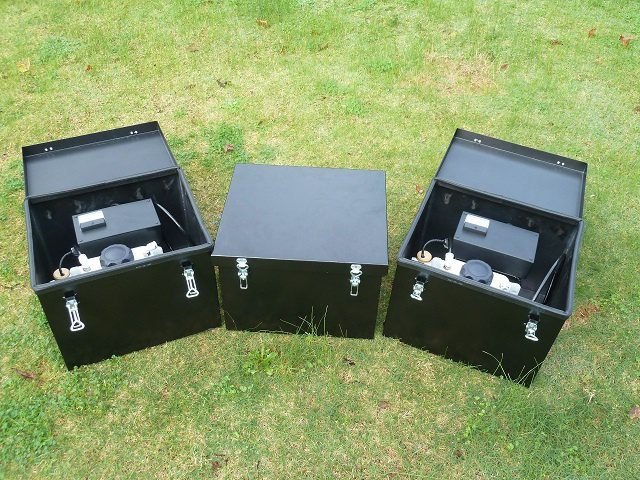
Brilliant Invention Gen 20 Hydrogen Generator ---(update Feb 7... Full Story

by Gavan Knox HFS whats app +61 403177183 [email protected]... Full Story
A hydrogen generator can only perform as consistently as... Full Story
How Iridium Alloy Electrodes Lift Hydrogen Output- Aug 19... Full Story

How Delivery Van HHO Savings Can Cut Fuel Costs-... Full Story
Payment Methods Partner:

© 2023 - Hydrogenfuelsystems pty ltd