Brilliant Invention Gen 20 Hydrogen Generator July 2 2026
Brilliant Invention Gen 20 Hydrogen Generator ---(update Feb 7... Full Story
Perth, West Australia




by Gavan Knox MSc, BSc, BEd.
WhatsApp call +61 403177183
contact gavan@hfuel.com.au
https://hydrogenfuelsystems.com.au
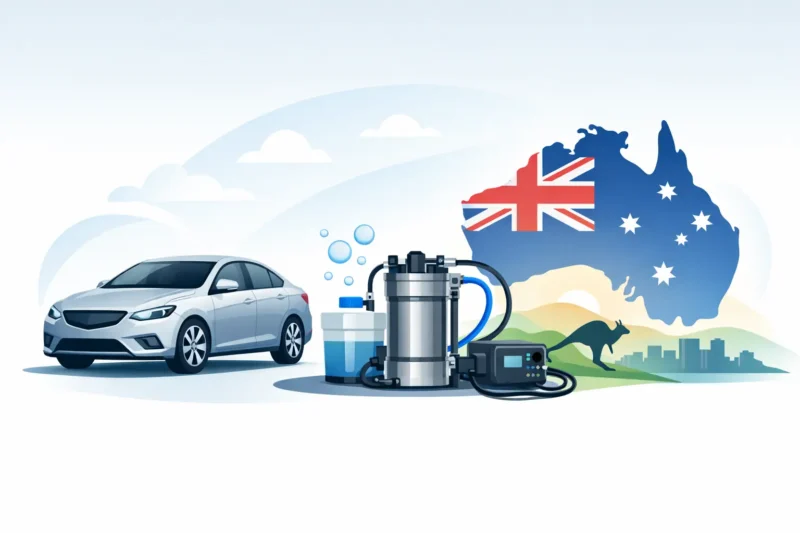
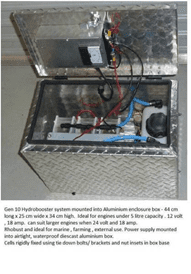
Gen 10 HHO Kit Review for Aussie Drivers- Aug 14. Fuel is one of the few operating costs you feel every time you turn the key. That is why a proper gen 10 hho kit review needs to look beyond glossy promises and focus on the questions that matter: will it suit your engine, is it fitted correctly, and can it deliver a worthwhile return for the kilometres you do?
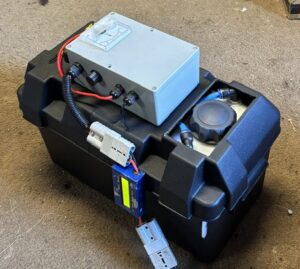
The Gen 10 is aimed at drivers who want a practical entry into on-board hydrogen enhancement without jumping straight into a larger system designed for heavy-duty, high-capacity applications. For the right petrol or diesel vehicle, it is a compact, purpose-built system intended to support cleaner, more efficient combustion. It is not magic, and it is not a substitute for fixing a tired engine. But fitted to a sound vehicle that works hard or travels regularly, it can be a serious tool for reducing fuel use and improving the way an engine performs.
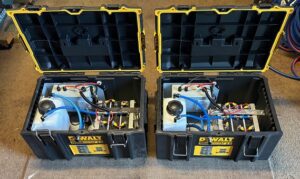
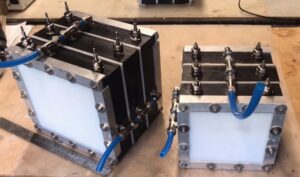
A Gen 10 HHO kit produces hydrogen and oxygen gas on demand from its onboard electrolyte system. That gas is introduced into the engine’s intake air stream, where it is designed to assist the combustion process. Better combustion is the central objective – burning the available fuel charge more completely can reduce wasted fuel, cut smoke and improve response.
The Gen 10 sits at the compact end of the HHO system range. That makes it a logical match for smaller to medium-capacity petrol and diesel engines, including passenger vehicles, work utes, 4WDs and light commercial applications. Its suitability depends on the engine, how it is used, available mounting space and the electrical system, not merely the badge on the bonnet.
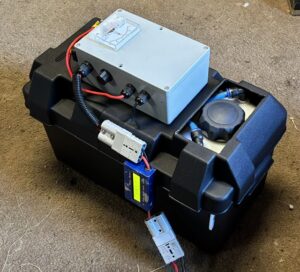
For a commuter that only travels short distances around town, the financial case can take longer to build. For an owner-driver covering substantial weekly kilometres, a trade ute carrying tools, or a 4WD doing regular highway work, every reduction in fuel use has more room to add up. The Gen 10 is about matching system capacity to the job rather than buying the biggest unit available.
The strongest case for a Gen 10 is an engine that is mechanically healthy, used consistently and consuming enough fuel for efficiency gains to matter. A clean, well-serviced diesel or petrol engine gives the kit the best chance of showing its value. If injectors are worn, filters are blocked, the turbo system is leaking, or fault codes are being ignored, repair those issues first. No hydrogen system should be expected to compensate for poor maintenance.
When the foundation is right, drivers commonly look for three outcomes: reduced fuel consumption, sharper throttle response and cleaner exhaust behaviour. Hydrogen is highly combustible and burns quickly, helping support a more complete burn of the primary fuel. In a diesel application, that can be particularly attractive where load, idling and soot are ongoing concerns.
Results will vary. A light-footed highway driver, a stop-start courier, a heavily loaded trailer rig and a 4WD in soft sand do not create the same conditions. Fuel quality, load, tyre pressures, driving style, terrain and engine condition all affect the final number. Anyone offering a fixed saving for every car is selling a number, not assessing the vehicle.
That said, the benefit is not limited to the bowser. More complete combustion can mean less visible smoke, smoother operation and less carbon-related build-up over time. For operators running vehicles for years rather than months, those operational gains can be just as relevant as a fuel calculation.
A smaller HHO kit is not automatically underpowered. It is only underpowered if it is fitted to an engine or duty cycle that demands more gas production than the unit is designed to provide. The Gen 10 should be selected as part of an application assessment, taking into account engine displacement, fuel type and whether the vehicle spends its life unloaded, towing, idling or hauling.
Oversizing is not a smart shortcut either. A larger system can draw more electrical current and require more installation space. Correct sizing gives the vehicle a balanced setup and keeps the focus where it belongs: practical efficiency, not unnecessary complexity.

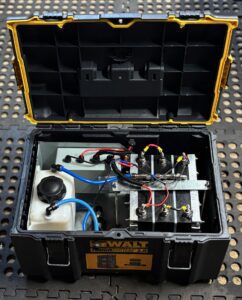
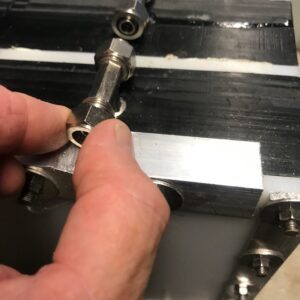
A well-engineered kit still needs a disciplined installation. The cell must be securely mounted away from excessive heat and moving parts. Hoses need to be routed carefully, electrical connections need proper protection, and the gas feed must be introduced at the correct point in the intake system.
The electrical side deserves special attention. The system needs a correctly fused power supply, appropriate wiring and a switched ignition source so it operates only when intended. Poor wiring practices are not just untidy – they can create voltage drop, unreliable output and avoidable safety risks.
The electrolyte reservoir, hoses and filter arrangement should also remain accessible for routine inspection. This is an aftermarket system, so owners need to be willing to check fluid levels, inspect connections and keep components clean. It is straightforward maintenance, but it should not be skipped.
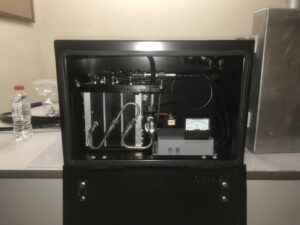
For late-model vehicles, especially electronically managed diesels, the installer should understand the engine’s intake layout and sensors. Do not drill, bypass or interfere with factory systems without a clear reason and a proper plan. A neat installation protects the vehicle, makes servicing easier and gives you a far better chance of consistent performance.
Hydrogen Fuel Systems provides application-focused components and technical materials because generic fitment is where many aftermarket installations go wrong. The best result comes from treating the kit as an engine system, not an accessory to be cable-tied under the bonnet.
Before committing to a Gen 10, start with the basics. Confirm the vehicle’s engine capacity, fuel type, available mounting area and typical workload. Then consider your actual fuel spend. A vehicle that does 5,000 kilometres a year has a different payback path from a fleet vehicle doing that distance in a month.
Ask for documentation that addresses the system itself, including specifications, installation instructions and any available testing or certification material. Proof matters. You should know what is supplied, how the unit is protected electrically, what maintenance it needs and whether replacement parts are available locally.
Also consider warranty and compliance implications before modifying any vehicle. Requirements can vary by state, insurer, vehicle type and the nature of the modification. Fleet operators should have the installation assessed against their internal maintenance and safety procedures. If the vehicle is under a manufacturer warranty, get clear advice before proceeding.

The Gen 10 will not suit every owner. If you rarely drive, have a vehicle with unresolved mechanical faults or expect a fit-and-forget product with zero inspection, it may not be the right purchase. The kit requires correct installation, periodic checking and realistic expectations.
It also should not be bought solely for maximum power. Some drivers notice improved response and smoother pulling performance, but the primary reason to fit a correctly sized HHO system is combustion efficiency and lower operating costs. Power and torque improvements are useful outcomes when they occur, especially under load, but fuel economy and engine cleanliness are the long game.
For bigger engines, heavy towing, large generators, marine engines or high-hour commercial equipment, a Gen 15, Gen 20 or Gen 25 may be the better fit. Choosing a Gen 10 simply because it is cheaper can be false economy if the application calls for greater output.
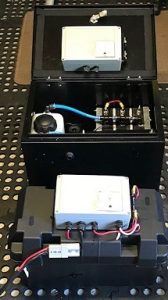
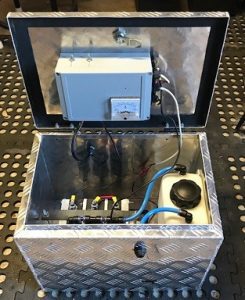
For an Australian driver with a healthy smaller or medium-capacity engine, regular kilometres and a genuine desire to reduce fuel expenditure, the Gen 10 makes practical sense. It is particularly compelling where the vehicle earns its keep – on the road, at a worksite or travelling between jobs – rather than sitting in the driveway.
The value comes from a system that is sized properly, installed professionally and monitored like any other mechanical investment. Start with the vehicle’s real workload, get the fitment right, and measure fuel use over comparable driving conditions. That is how you turn an HHO kit from a hopeful purchase into an operating-cost decision.
by Gavan Knox MSc, BSc, BEd.
WhatsApp call +61 403177183
contact gavan@hfuel.com.au
https://hydrogenfuelsystems.com.au
Brilliant Invention Gen 20 Hydrogen Generator ---(update Feb 7... Full Story

by Gavan Knox HFS whats app +61 403177183 gavan@hfuel.com.au... Full Story

Best Vehicles for HHO Upgrades in Australia - Oct... Full Story

Fuel Economy Methodology That Produces Real Numbers - oct... Full Story

Can HHO Improve Towing Economy? Facts That Matter -... Full Story
Payment Methods Partner:

© 2023 - Hydrogenfuelsystems pty ltd