
Brilliant Invention Gen 20 Hydrogen Generator July 2 2026
Brilliant Invention Gen 20 Hydrogen Generator ---(update Feb 7... Full Story
Perth, West Australia




by Gavan Knox MSc, BSc, BEd.
WhatsApp call +61 403177183
contact gavan@hfuel.com.au
https://hydrogenfuelsystems.com.au
Gen 25 Hydrogen Kit Review: Built for Big Loads. A Gen 25 hydrogen kit is not a dress-up accessory for a weekend runabout. This gen 25 hydrogen kit review is for operators running hard-working diesel or petrol engines where fuel use, engine response and downtime are real business costs. Think loaded utes, 4WDs towing regularly, light trucks, generators, marine engines and machinery that spend long hours under load.
The point of an on-board hydrogen system is straightforward. It generates a controlled hydrogen and oxygen gas supply from the vehicle’s electrical system, then introduces that gas into the intake path to support more complete combustion. When the engine, installation and operating conditions are right, the target is practical: use less fuel for the same job, improve response under load and reduce the soot and carbon associated with incomplete combustion.
The Gen 25 sits at the serious end of the range. It is best considered where the engine has enough capacity, fuel consumption and operating hours to justify a larger-capacity system. A vehicle that only makes short suburban trips may not provide the operating time needed to show a meaningful return. A work vehicle covering highway kilometres, hauling equipment or idling around worksites is a much better candidate.
That distinction matters. Hydrogen enhancement is not a magic switch that overcomes poor maintenance, incorrect tyre pressures, a blocked air filter, injector faults or a driver with a heavy right foot. It is an efficiency tool that works alongside a mechanically sound engine and disciplined operation.
For an owner-driver or fleet operator, the stronger case is usually a vehicle that burns enough fuel for a small percentage improvement to add up quickly. The more litres you buy each week, the more closely you should examine an installation that aims to reduce waste in the combustion process.

A Gen 25 system deserves attention when the engine works for a living. That includes larger-capacity diesel 4WDs, towing vehicles, delivery trucks, plant, generators and marine applications. It can also suit petrol engines with high fuel use, provided the fitment is planned around the engine bay, intake arrangement and electrical system.
The key word is fitment. Bigger is not automatically better. Selecting a system should be based on engine size, duty cycle, available mounting room and how the vehicle is actually used. A lightly used family car does not need the same approach as a diesel ute running regional kilometres every week or a generator operating for hours at a time.
The commercial appeal of a Gen 25 hydrogen kit comes down to three operational outcomes: fuel economy, usable engine response and cleaner combustion. In a properly selected application, supplying supplementary hydrogen gas to the intake can help the fuel burn more completely. That is where potential savings and emissions improvements begin.
Drivers often focus first on fuel use, and rightly so. Fuel is an immediate, measurable cost. But smoother pull under load and less hesitation can matter just as much on a towing vehicle, work truck or boat. When an engine is constantly asked to move weight, improved combustion quality can be felt in how cleanly it responds through the rev range.
There is also a maintenance argument. Incomplete combustion contributes to carbon build-up and soot. A hydrogen enhancement system is not a substitute for proper servicing, but a cleaner burn can support a cleaner operating environment inside the engine. For high-hour equipment, that is worth considering alongside the fuel ledger.
Be realistic with any percentage claim. Results vary with engine condition, load, route, fuel quality, driving style, ambient temperature and installation quality. The honest way to assess value is not by one tank of fuel or a single unloaded drive. It is by comparing repeatable operating data over enough kilometres or hours to remove the noise.
A Gen 25 kit needs to be installed as an engine system, not treated as an add-on you cable-tie into the first spare corner under the bonnet. Component placement, hose routing, electrical protection, water supply, intake connection and vibration control all deserve care.
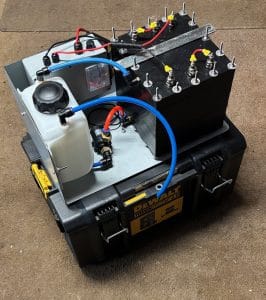
The generator should be mounted securely away from excessive heat and moving parts. Hoses need clean routing with no kinks, abrasion points or unnecessary length. Electrical connections must be fused, correctly sized and switched so the system operates in the intended conditions. A poor earth, undersized wiring or loose terminal can compromise output and create avoidable faults.
The intake connection is equally important. Gas must enter at a suitable point for the engine layout, without creating air leaks or interfering with factory sensors and plumbing. Modern common-rail diesels and electronically managed petrol engines deserve particular care. If you are not fully confident working around intake systems, vehicle electrics and engine-bay safety, use an experienced installer.
Hydrogen Fuel Systems provides application-focused documentation and support materials because the installation details matter. A kit that is selected correctly and fitted cleanly gives you a fair chance to measure its contribution. A rushed installation gives you uncertainty from day one.
Before fitting any hydrogen kit, get the vehicle into good working order. Service it, inspect the air intake, check for fault codes, confirm the charging system is healthy and deal with known fuel-system or boost leaks. You cannot accurately judge an efficiency system on an engine that already has unresolved faults.
Start with a baseline. Record kilometres travelled, litres filled, load carried, route type and, where practical, engine hours. For generators and marine applications, litres per operating hour is often more useful than kilometres per litre. Keep the same measurement method before and after installation.
A worthwhile test period accounts for comparable work. If the vehicle normally tows a trailer, test it while towing. If it spends its life on freeway runs, do not compare that baseline with a fortnight of city traffic. This is how operators separate genuine operating improvement from changes caused by the job itself.
Because an on-board hydrogen generator uses electrical power, the alternator and battery system need to be in sound condition. That does not make the kit impractical – it simply means electrical health is part of the assessment. A weak battery, slipping belt or charging issue should be repaired before adding another electrical load.
The system also requires routine attention. Check fluid level, inspect fittings and hoses, keep electrical terminals clean and follow the recommended service intervals for filters and consumable parts. This is not burdensome maintenance, but it is maintenance. Operators who expect fit-and-forget equipment from any aftermarket engine system will be disappointed.
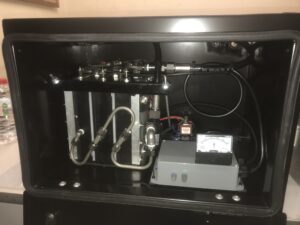
Water quality matters as well. Use the specified water and consumables rather than improvising with whatever is available in the shed. Contaminants can affect system operation and shorten component life. Keeping a simple inspection routine is a small job compared with the cost of unnecessary fuel burn or preventable repairs.
For the right operator, it can be a commercial decision rather than an environmental gesture. Calculate the cost from your actual fuel spend, not a guess. If a high-use vehicle burns thousands of litres each year, even a modest, repeatable reduction can have a material effect on operating costs. Add potential improvements in drivability and cleaner combustion, and the proposition becomes stronger.

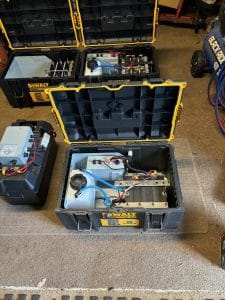
For a low-kilometre vehicle, the payback may take longer. That does not mean the system is wrong, but it changes the buying decision. A Gen 25 is built for engines with meaningful demand. If your use is light, a smaller system may be the more sensible fit.
Also consider vehicle compliance, insurer requirements, manufacturer warranty implications and applicable Australian regulations before modifying any vehicle. A professional installation, clear documentation and sound maintenance records put you in a better position than an undocumented backyard fitment.
The sharpest way to approach a Gen 25 is with numbers in hand: your average litres per 100 km or litres per hour, the work the engine performs, and the condition it is in now. If the engine works hard and fuel is a constant expense, choose the kit size and installation standard with the same care you would give tyres, injectors or a turbo repair. That is where a hydrogen system earns its place.
by Gavan Knox MSc, BSc, BEd.
WhatsApp call +61 403177183
contact gavan@hfuel.com.au
https://hydrogenfuelsystems.com.au
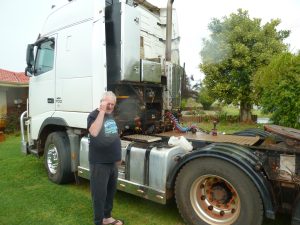
Friday, July 31, 2026
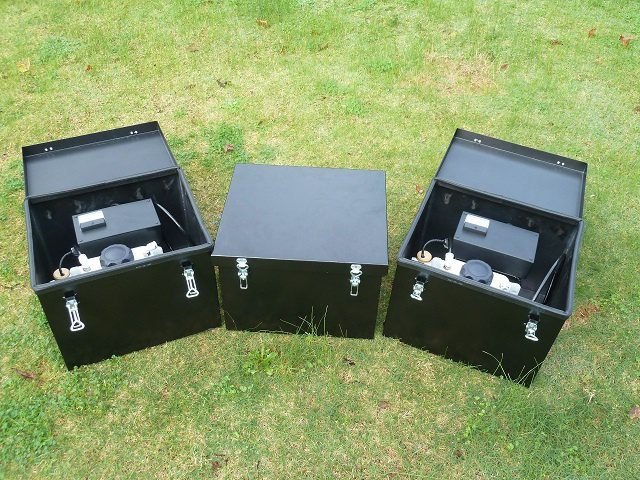
Brilliant Invention Gen 20 Hydrogen Generator ---(update Feb 7... Full Story

by Gavan Knox HFS whats app +61 403177183 gavan@hfuel.com.au... Full Story
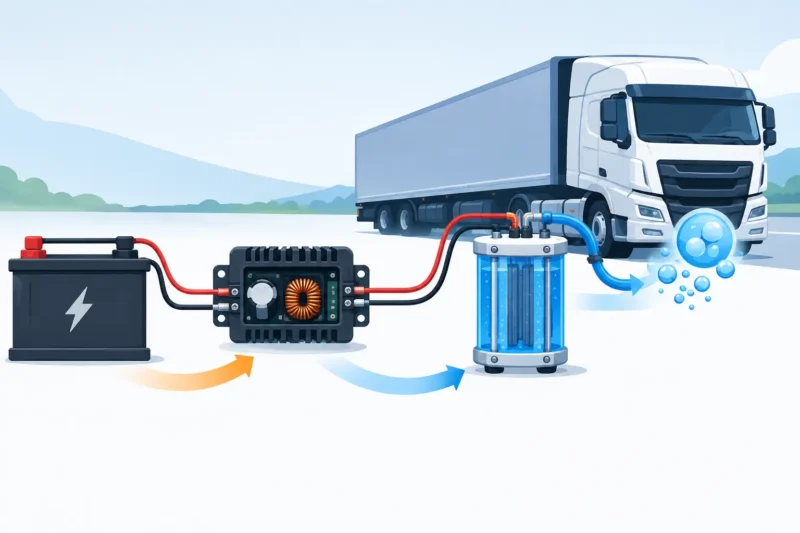
How 24V-to-13.8V Buck Configuration Regulators Affect HHO generation in... Full Story
A diesel that is smoking, using more fuel or... Full Story
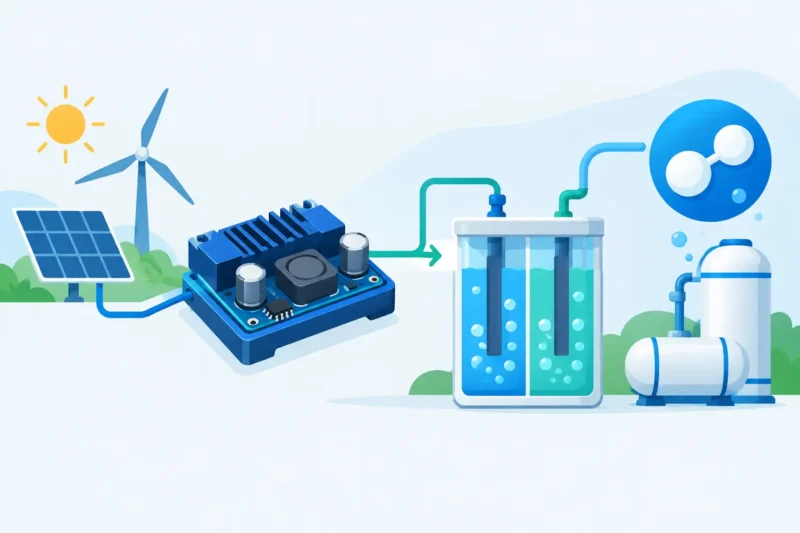
How Do DC-DC Boost Regulators Affect Hydrogen Gas Production?... Full Story
Payment Methods Partner:

© 2023 - Hydrogenfuelsystems pty ltd