Brilliant Invention Gen 20 Hydrogen Generator July 2 2026
Brilliant Invention Gen 20 Hydrogen Generator ---(update Feb 7... Full Story
Perth, West Australia




by Gavan Knox MSc, BSc, BEd, Inventor
WhatsApp call +61 403177183
contact gavan@hfuel.com.au
https://hydrogenfuelsystems.com.au
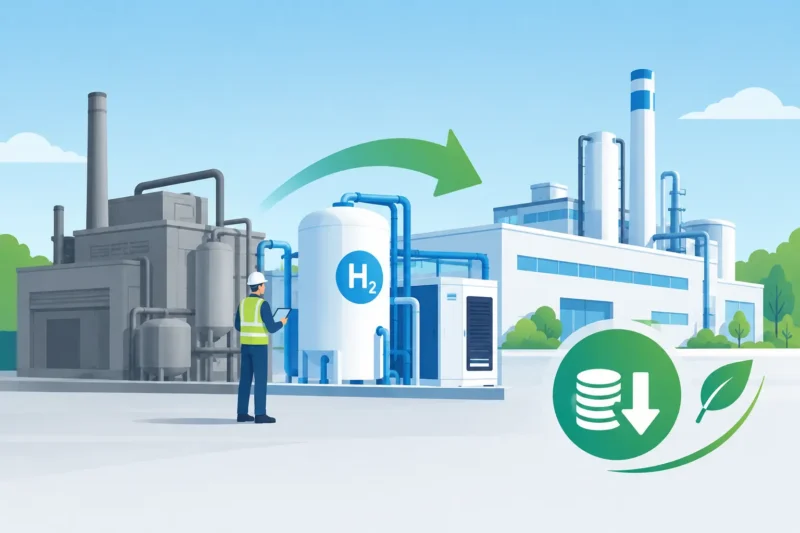
Hydrogen Retrofits That Cut Operating Costs – Sept 11. A work ute that burns fuel all week, a truck that never stops hauling, or a generator running long shifts has one cost that keeps climbing: fuel. Hydrogen retrofits are built for operators who want to get more useful work from every litre, while supporting cleaner, more complete combustion inside an existing petrol or diesel engine.
This is not a replacement-engine conversation. An on-board hydrogen system is an aftermarket combustion enhancement designed to work alongside the vehicle’s normal fuel system. The generator produces hydrogen and oxygen gas on demand, then introduces it into the engine intake in controlled amounts. The goal is straightforward: improve the burn, reduce wasted fuel, sharpen response and reduce the carbon build-up that can rob an engine of efficiency.
For high-kilometre drivers and hard-working equipment, the attraction is obvious. Even a modest improvement in fuel consumption can matter when it is repeated across every run, shift, delivery route or day on site. But a worthwhile result depends on the right system, a sound installation and realistic assessment of the vehicle before a kit goes anywhere near it.
Internal combustion engines are never perfectly efficient. Fuel quality, load, driving style, injector condition, intake contamination, engine wear and stop-start work all affect how completely fuel burns. When combustion is less efficient, an operator can feel it in fuel use, sluggish response, smoke, emissions and maintenance demands.
An HHO system produces a supplementary gas that is drawn into the intake air stream. Hydrogen has a fast flame speed and can assist the combustion process. In practical terms, the system is intended to help the existing fuel charge burn more efficiently rather than asking the engine to run solely on hydrogen.
That distinction matters. A hydrogen generator kit is not magic, and it cannot repair worn injectors, low compression, a blocked air filter, failing sensors or a neglected service schedule. It is an efficiency upgrade that performs best when fitted to an engine that is mechanically sound and correctly maintained.
The potential gains operators look for are lower fuel consumption, improved throttle response and torque feel, reduced exhaust smoke in suitable diesel applications, and cleaner combustion conditions. Results vary with the application. A freeway-driven passenger car, a loaded diesel truck, a marine engine pushing against current and a standby generator under constant load do not operate in the same way. Their fuel-saving opportunity is different too.
The first question should not be, “What percentage will I save?” It should be, “How does this engine work for its living?” A vehicle that spends hours idling, towing, climbing, carrying tools or operating under steady load may offer a clearer return case than a lightly used car that only travels short suburban trips.
Fleet operators should examine fuel records before installation. Owner-drivers should track litres, kilometres, typical payload, route type and idle time. Machinery users should record hours, load and fuel consumed per shift. A baseline gives you something real to compare against after the retrofit is fitted.
The engine itself also needs a proper health check. Check for intake leaks, fault codes, blocked filters, tired batteries, charging-system problems and overdue servicing. On a diesel, injector condition, turbo performance and EGR-related issues can have a major effect on fuel use. Fitting an enhancement system to an engine with an unresolved fault can make the return impossible to judge.
There is also an electrical trade-off to understand. An on-board hydrogen generator uses electrical power, so the alternator and electrical supply components must be suitable for the system size and vehicle. That is why kit sizing, wiring protection, relay configuration and installation quality are not minor details. A system must be designed as a complete package, not pieced together with shortcuts.
A small engine and a heavy-duty application should not be treated as identical jobs. Generator output must match engine capacity, fuel type and workload. A system that is too small may not deliver a meaningful effect in a larger application. One that is incorrectly selected or poorly installed creates unnecessary complexity without proving its value.
Hydrogen Fuel Systems offers different generator sizes, including Gen 10, Gen 15, Gen 20 and Gen 25 configurations, for applications ranging from cars and 4WDs to trucks, marine engines and generators. The right choice comes down to the specific engine and its operating load, not simply the biggest unit available.
Installation equipment is equally important. A proper retrofit needs the appropriate power supply arrangement, fusing, wiring, plumbing, fluid reservoir, filter components and intake connection. It also needs installation instructions that account for the vehicle layout and keep components secure, protected from heat and accessible for inspection.
For electronically controlled engines, tuning and fuel-management behaviour need consideration as well. Modern petrol and diesel engines rely on sensors and control strategies. Any aftermarket combustion system should be assessed with those systems in mind. Do not assume every vehicle will respond the same way, and do not bypass safety systems or emissions equipment to chase a result.
A quality kit can be undermined by an ordinary fitment. Loose electrical connections, undersized cable, poor earth points, unsafe hose routing and badly positioned components all create risk and make troubleshooting harder. For commercial vehicles and machinery, vibration, heat, dust, water and long operating hours place even more pressure on the installation.
A serious installation should include these checks:
For fleets, consistency matters. If several vehicles are being upgraded, use the same installation standard and measurement process across the group. That makes it easier to identify which vehicles are delivering the strongest operational return and which may need further mechanical attention.
Fuel savings claims are only useful when the comparison is fair. One tank of fuel is not proof. Different payloads, headwinds, traffic, tyre pressures, drivers and operating conditions can distort the result.
Track performance over a meaningful period. Compare the same type of work where possible, then calculate litres per 100 km, litres per hour or cost per operating hour. Keep notes on load, route and idling. For a fleet, telematics and fuel-card records can provide a stronger picture than memory ever will.
Also watch the non-fuel indicators. Is the engine response more consistent under load? Is visible smoke reduced in an application where that was an issue? Are drivers reporting a better pulling feel? Has the engine remained free of new electrical or drivability faults? These observations do not replace hard fuel data, but they help build a full operating picture.
Documentation is worth demanding. Buyers should look for patented technology details, certification material, installation documentation and application-specific test information. A supplier that can explain how the system works, how it is fitted and how it has been assessed gives operators a far stronger basis for a purchasing decision than vague promises do.
Before fitting any aftermarket system, check the requirements that apply to your vehicle, state or territory, insurance policy and manufacturer warranty. Roadworthiness and emissions obligations still apply. For fleet or workplace equipment, follow site safety procedures and have electrical work completed to an appropriate professional standard.
Use the specified consumables and maintenance process. Keep the reservoir serviced, inspect wiring and fittings regularly, and act quickly if you see leaks, damaged cables or unexpected engine warnings. A hydrogen retrofit should make an engine operation more controlled, not introduce a maintenance blind spot.
For the right operator, this is a practical efficiency decision. Start with a healthy engine, select a properly matched kit, insist on a clean installation and measure the outcome against real fuel records. That is how hydrogen retrofits earn their place on a working vehicle or machine – through numbers that continue to stack up after the first tank, the first job and the first month.
by Gavan Knox MSc, BSc, BEd, Inventor
WhatsApp call +61 403177183
contact gavan@hfuel.com.au
https://hydrogenfuelsystems.com.au
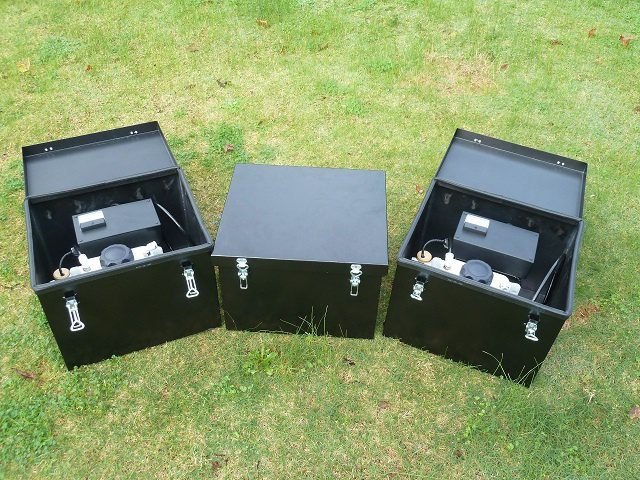
Brilliant Invention Gen 20 Hydrogen Generator ---(update Feb 7... Full Story

by Gavan Knox HFS whats app +61 403177183 gavan@hfuel.com.au... Full Story
A diesel that is smoking, using more fuel or... Full Story

How Do DC-DC Boost Regulators Affect Hydrogen Gas Production?... Full Story
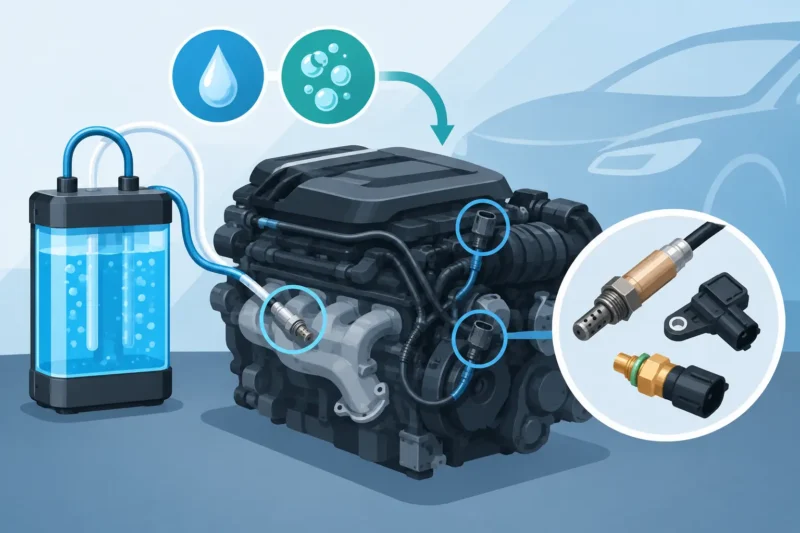
## Can HHO Affect Engine Sensors? What to Check... Full Story
Payment Methods Partner:

© 2023 - Hydrogenfuelsystems pty ltd