Brilliant Invention Gen 20 Hydrogen Generator July 2 2026
Brilliant Invention Gen 20 Hydrogen Generator ---(update Feb 7... Full Story


by Gavan Knox MSc, BSc, BEd, Inventor
WhatsApp call +61 403177183
contact gavan@hfuel.com.au
https://hydrogenfuelsystems.com.au
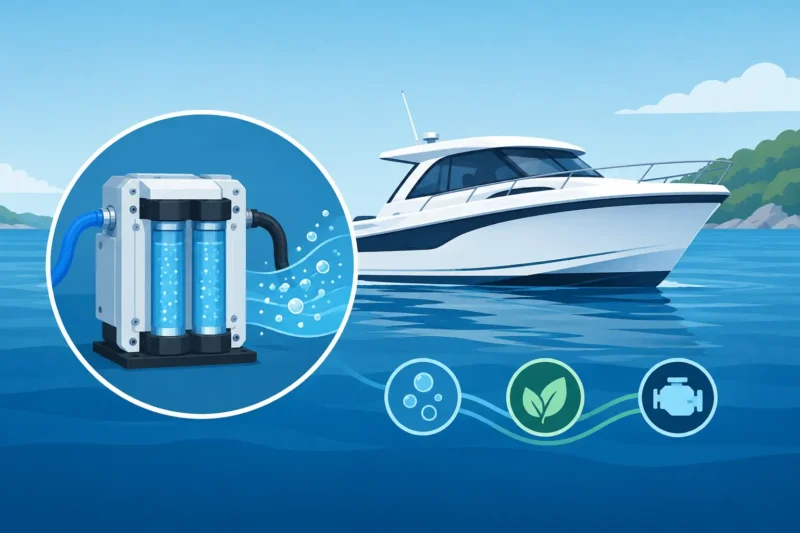
Marine HHO Review: What Boat Owners Need to Know. A serious marine HHO review starts where boat ownership gets expensive: at the fuel dock. Whether you run a diesel cruiser, a hard-working charter boat, a fishing rig or an auxiliary generator, fuel burn is not an abstract number. It is a direct operating cost. An HHO system is designed to introduce a controlled hydrogen and oxygen gas stream into the engine’s intake, supporting a cleaner, more complete combustion event. The potential upside is clear – lower fuel use, stronger response, reduced smoke and less carbon build-up – but marine applications demand the right system, a proper installation and evidence that stacks up.
This is not a bolt-on purchase to make on price alone. Salt air, vibration, confined engine bays, long operating hours and variable loads make marine HHO installations different from fitting a kit to a passenger vehicle. Get the specification right and an on-board hydrogen generator can become a practical operating-cost tool. Get it wrong and you have added equipment without getting the return.
An HHO generator uses electrical power to produce hydrogen-rich gas from distilled water and electrolyte. That gas is metred into the air intake in small quantities. It is not a replacement fuel tank, and it does not turn a diesel engine into a hydrogen-powered engine. Its purpose is combustion enhancement.
In a diesel marine engine, fuel quality, injector condition, air supply, load and operating temperature all influence how completely fuel burns. When combustion is incomplete, the operator may see black smoke, soot accumulation, sluggish throttle response and unnecessary fuel use. A correctly matched HHO system is intended to improve the burn characteristics of the existing fuel charge.
That is why the best marine applications are usually engines that work for their living. A boat running long passages, trolling for hours, pushing a load through chop or supplying hotel power from a generator has enough operating time to measure a meaningful result. A runabout used a handful of times each summer may still benefit, but its payback period is naturally less compelling.

Forget broad claims and look at the details that affect your vessel. A worthwhile review should answer whether the system suits your engine, your electrical system and your operating pattern.
System size is the first decision. A small petrol outboard does not need the same gas output as a large diesel inboard, twin-engine sportfisher or commercial generator. Oversizing is not a shortcut to bigger savings. It can create unnecessary electrical draw and complicate tuning. Undersizing may deliver too little gas to make a measurable difference.
The generator output, engine displacement, fuel type and normal working load should be assessed together. For example, a diesel engine that spends most of its life at low idle needs a different approach from one that holds steady revs under substantial load. The same applies to marine generators, which often run for extended periods at relatively consistent loads and can be strong candidates for measured fuel-use testing.
Hydrogen Fuel Systems offers Gen 10, Gen 15, Gen 20 and Gen 25 configurations for different engine demands. The important point is not the badge on the unit. It is matching the output to the actual application rather than guessing from engine size alone.
A marine installation must be treated as marine equipment, not automotive equipment placed near water. Components need to be mounted away from direct splash, excessive heat and moving service items. Wiring must be protected, connections sealed and all plumbing secured against vibration and chafe.
The engine bay also needs careful routing. Hoses should be kept clear of exhaust components, belts and sharp edges. Electrical supply must be fused correctly, switched appropriately and sized for the current draw. A proper marine-grade installation is tidy, accessible for servicing and built so that a fault can be isolated quickly.
If a supplier cannot explain mounting position, cable protection, water management and service intervals, they are not giving you a marine solution. They are selling a generic kit.
Hydrogen gas deserves respect. It is highly combustible, which is exactly why the installation must use the correct safety controls. A quality setup should include protection against flashback, controlled gas flow, secure hose connections and sensible placement of the generator and associated components.
Do not accept vague answers about safety. Ask what prevents backflow, how the gas is isolated when the engine is off, where the electrical protection sits and how the installation accounts for enclosed spaces. On a boat, poor workmanship can become a bigger problem faster than it can on a road vehicle.
For petrol engines, the intake arrangement and tuning requirements may differ from diesel. For electronically controlled engines, any claimed outcome also depends on how the engine management system responds. That is not a reason to rule out HHO. It is a reason to use application-specific advice rather than a one-size-fits-all promise.
The strongest part of any marine HHO review is the data. “Feels better” is not enough when you are evaluating a system against thousands of dollars in annual fuel spend. Record your fuel consumption before fitting anything, then compare it after installation under similar operating conditions.
Use the same route where possible, similar load, comparable sea state, matching engine speed and the same trim. Log engine hours, litres added, distance travelled and, where available, fuel-flow readings from the vessel instrumentation. On a generator, record hours run, electrical load and litres consumed.
Do not judge the system from one calm run and one rough run. Marine conditions are variable. A useful comparison needs several operating cycles. This also gives the engine time to settle after installation and helps separate real improvement from changes caused by wind, tide, fouling, propeller condition or a lighter payload.
Fuel savings can vary significantly by engine condition and duty cycle. An engine with dirty injectors, restricted airflow, a fouled hull or an incorrectly pitched propeller has bigger issues to solve first. HHO is a combustion-enhancement system, not a cure for neglected servicing or poor vessel setup.
Fuel use is the number that gets attention, but it is not the only operating result worth tracking. Many marine operators are also looking for cleaner exhaust, reduced visible smoke, smoother running and a more responsive engine under load. These benefits can matter particularly for diesel vessels working around passengers, wharves or enclosed marina areas.
Reduced carbon deposits may also support cleaner engine operation over time. That does not mean routine maintenance stops. Oil changes, filter replacement, injector servicing, cooling-system checks and proper fuel treatment remain non-negotiable. The best result comes from fitting an HHO system to an engine that is already mechanically sound.
There is also a commercial angle. A charter operator or workboat owner who can reduce fuel use across high annual engine hours may see a much faster return than a recreational owner. For them, the calculation should include not only litres saved but downtime, service access, crew confidence and the value of cleaner operation.
Buyers should expect more than polished testimonials. Ask for technical specifications, installation documentation, details of the safety components, system power requirements and examples relevant to your type of engine. Where claims are made around economy, performance or emissions, ask how they were measured and under what conditions.
A supplier that stands behind its product should be able to discuss system sizing, installation requirements and expected maintenance without hiding behind generic marketing. Patents, certification documents, test reports and application data all matter, but they should relate to the product and the result being claimed.
It is also worth asking who will fit the system. An experienced marine electrician or mechanically capable installer can make the difference between a clean, serviceable installation and an unreliable one. If you operate commercially, check any insurance, survey, class or workplace requirements that apply to modifications on your vessel.
For the right vessel, a properly specified HHO system can be a practical way to target fuel cost, combustion quality and engine response. It makes the most sense where engines accumulate real hours and fuel bills are high enough for savings to be measured. Diesel inboards, commercial vessels and regularly used generators are often the clearest cases.
The decision should come down to operating evidence. Know your current litres per hour, choose a system matched to the engine, insist on a safe marine installation and measure the outcome over enough hours to remove the guesswork. Your boat does not need another gimmick in the engine bay. It needs equipment that earns its space every time you turn the key.
by Gavan Knox MSc, BSc, BEd, Inventor
WhatsApp call +61 403177183
contact gavan@hfuel.com.au
https://hydrogenfuelsystems.com.au
Brilliant Invention Gen 20 Hydrogen Generator ---(update Feb 7... Full Story
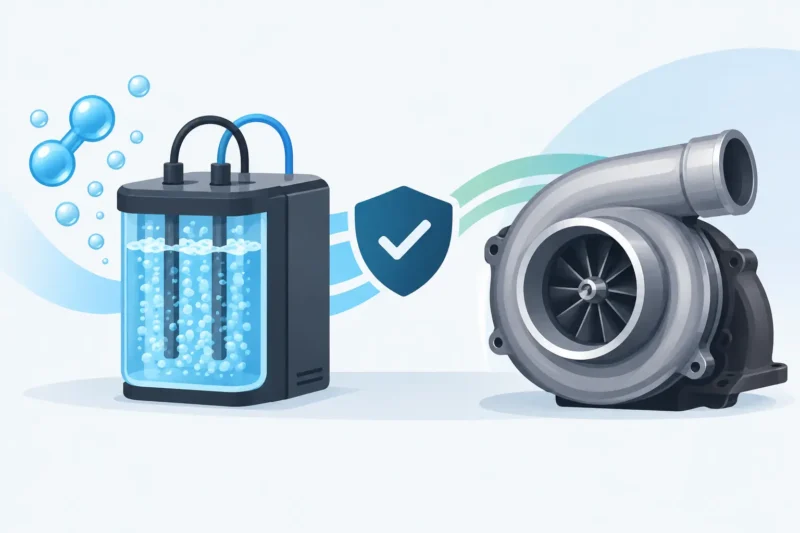
Will HHO Affect Turbochargers? Facts That Matter - Nov... Full Story
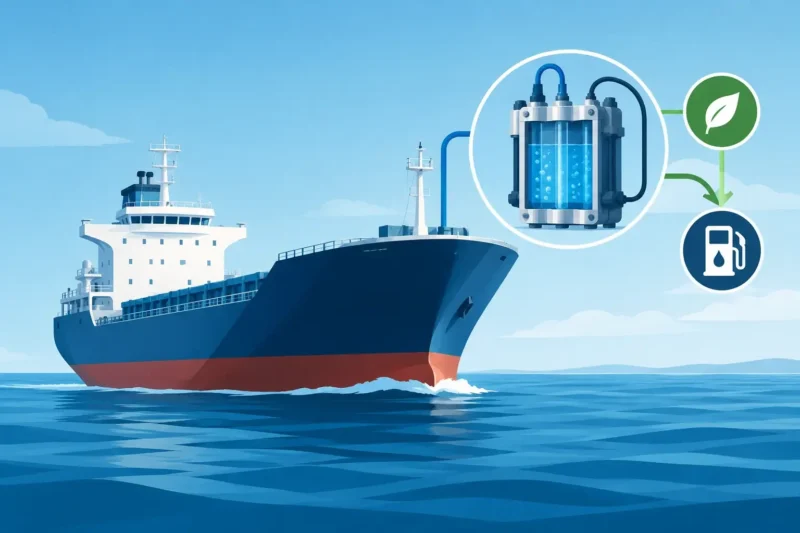
Marine Vessel HHO Fuel Trial for Real Fuel Savings... Full Story
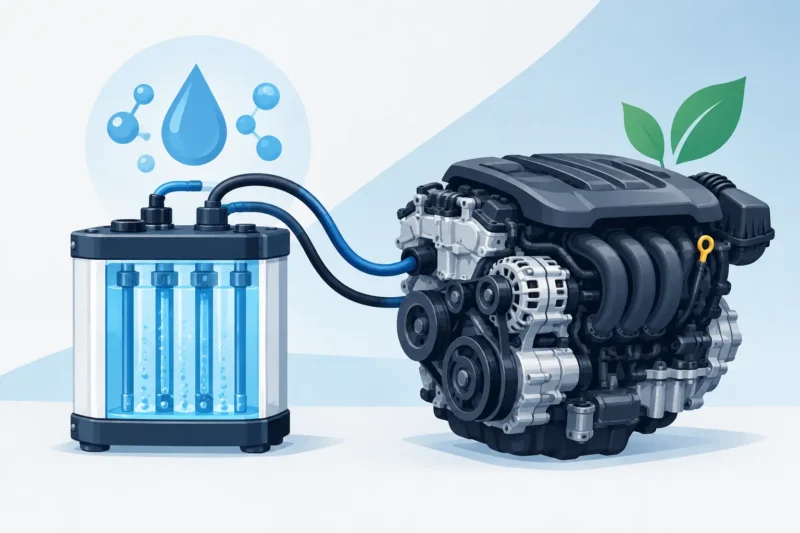
HHO Kits That Make Hard-Working Engines Work - Nov... Full Story
Payment Methods Partner:

© 2026 Hydrogen Fuel Systems Pty Ltd