Brilliant Invention Gen 20 Hydrogen Generator July 2 2026
Brilliant Invention Gen 20 Hydrogen Generator ---(update Feb 7... Full Story
Perth, West Australia





by Gavan Knox MSc, BSc, BEd, Inventor
WhatsApp call +61 403177183
contact gavan@hfuel.com.au
https://hydrogenfuelsystems.com.au
9 Ways to Reduce Diesel Fuel Consumption – sept 8. A diesel engine that burns more fuel than it should is not just costing extra at the bowser. It is usually telling you something about how the vehicle is loaded, driven, maintained or set up. To reduce diesel fuel consumption properly, start with the losses you can measure, then choose upgrades that deliver a genuine return rather than relying on promises alone.
For an owner-driver, fleet manager, tradie or 4WD owner, small changes add up fast. Saving even a fraction of a litre per 100 km becomes serious money when the vehicle is covering long distances, towing regularly or idling for hours at a worksite.

Do not work from the dashboard range estimate alone. Track litres purchased, kilometres travelled, hours idled, load weight and the work being done. For generators and marine engines, record litres per operating hour and the electrical or propulsion load at the same time.
This gives you a baseline. Without one, you cannot tell whether a change has reduced fuel use or whether the result came from a lighter load, a different route, less wind resistance or a favourable run.
Use the same fill point where possible and compare several fuel cycles, not one tank. A single result can be distorted by how full the tank was, traffic conditions, towing, terrain and driver behaviour. The numbers that matter are repeatable numbers.
A diesel ute with a roof rack, oversized tyres, a loaded canopy, recovery gear and a trailer asks the engine to work harder before it has travelled a kilometre. The same applies to trucks carrying avoidable weight or machinery operating with unnecessary attachments fitted.
Keep tyres at pressures appropriate for the load and the surface. Under-inflated tyres increase rolling resistance, generate heat and can wear out faster. Over-inflation is not the answer either, particularly where traction, ride and tyre contact are compromised. Follow the tyre and vehicle manufacturer guidance, then adjust sensibly for actual operating conditions.
Check wheel alignment, binding brakes and worn wheel bearings. A brake caliper that does not release cleanly can waste fuel every day while remaining easy to miss during a quick walk-around. On highway vehicles, consider aerodynamic drag too. Open windows, roof-mounted gear and poorly positioned accessories all take their toll at speed.


Diesel engines need clean air and consistent fuel delivery to produce efficient combustion. A restricted air filter, contaminated fuel filter or leaking intake hose can affect power, throttle response and fuel consumption. If the engine feels lazy, do not automatically assume it needs more fuel or a bigger tune. Diagnose the basic system first.
Inspect the intake tract for split hoses, loose clamps and oil residue around joins. Check intercooler plumbing on turbo-diesel engines, because a boost leak makes the engine work harder for less usable air. Service fuel filters at the required interval, particularly where the vehicle works in dusty regions, remote areas or sites with variable fuel storage conditions.
Injector condition also matters. Poor spray patterns, incorrect fuelling or injector deposits can create rough running, smoke and higher consumption. Proper testing is more useful than guessing. If a workshop recommends injector work, ask for the fault findings and compare fuel use before and after the repair.



Idling feels harmless because the vehicle is not moving, but it still burns fuel and adds engine hours. Long idle periods can also contribute to soot loading and poor operating conditions in modern emissions-equipped diesels.
Plan loading, paperwork, site access and breaks to avoid leaving the engine running by default. For trucks, plant and generators, calculate idle fuel separately from travel or production fuel. That is often where an easy saving is hiding.
There are exceptions. Some applications need idle time for safety, hydraulics, cab cooling or controlled warm-up procedures. The goal is not to switch off blindly. It is to remove the idle time that produces no useful work.


Hard acceleration, late braking and unnecessary high revs burn fuel without getting the job done faster. Diesel engines generally perform best when the driver uses the available torque, changes up appropriately and maintains steady momentum.
On the open road, speed is one of the biggest variables. The faster a vehicle travels, the harder it must push air aside. A modest reduction in cruising speed can make a noticeable difference in litres per 100 km, especially in a loaded ute, truck, caravan combination or 4WD fitted with accessories.
Use cruise control where road conditions allow, but do not let it force aggressive throttle inputs on steep rolling country. A skilled driver may achieve better results by allowing a small speed variation uphill and downhill rather than demanding the vehicle hold one exact number at all costs.

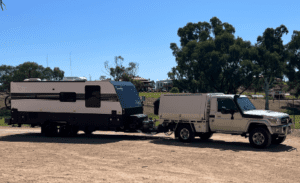
A city delivery vehicle, a towing ute, a long-haul truck and a standby generator do not live the same life. Follow the correct service schedule for severe use where applicable, rather than stretching intervals because the odometer says the vehicle has not travelled far enough.
Use the engine oil grade specified for the engine and climate. The wrong oil can affect protection, cold-start behaviour and friction losses. Keep cooling systems in good order too. A thermostat fault, blocked radiator, failing fan or cooling-system leak can push an engine out of its efficient operating range.
For modern diesel vehicles, do not ignore warning lights or regeneration issues. Problems involving the EGR system, diesel particulate filter, sensors or boost control can affect consumption well before they become a breakdown. A proper scan and mechanical inspection will beat clearing codes and hoping for the best.
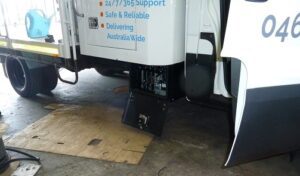


Fuel economy is often won before the key turns. Avoid towing more than necessary, distribute trailer loads correctly and use the right trailer for the work. An overloaded or poorly balanced trailer creates drag, instability and extra demand on the engine.
Plan routes that avoid repeated stop-start traffic, steep grades and unnecessary detours where practical. For fleets, this does not mean sending every driver the longest route to save a few cents. It means comparing distance, traffic, delivery windows, payload and idle time to find the lowest-cost operating pattern.
A vehicle that is poorly matched to its job will always struggle. If a small diesel is constantly at maximum load, or a large truck runs mostly empty, no additive or accessory will fully correct that mismatch.


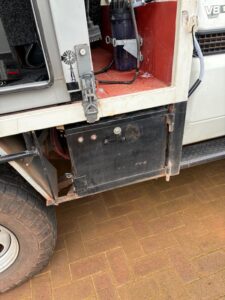

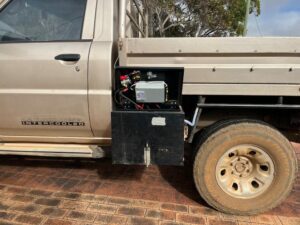
Once the mechanical basics are sorted, on-board hydrogen generation can be considered as part of a fuel-efficiency strategy. An HHO system (https://hydrogenfuelsystems.com.au) uses electrical power to generate hydrogen and oxygen gas that is introduced into the engine intake, with the aim of supporting more complete combustion.
The key is application-specific sizing, correct installation and credible measurement. A system suited to a passenger car is not automatically suitable for a heavy towing ute, marine engine, generator or commercial truck. Gas production, electrical supply, intake placement, protection components and operating conditions all need to be matched to the engine.
Hydrogen Fuel Systems pty ltd supplies vehicle and application-focused HHO kits, including options for cars, 4WDs, trucks, marine engines and generators. Before purchasing any fuel-saving technology, ask for installation documentation, technical specifications, test material and realistic expectations for your vehicle. Fuel savings vary with engine condition, load, route, driving style and how consistently the equipment is used.
Do not treat an aftermarket system as a substitute for maintenance. Fit it correctly, monitor results over multiple fuel cycles and retain your records. That is how you establish whether the investment is paying its way.

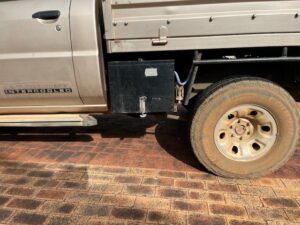
The best fuel plan fails if it lives only in a spreadsheet. Give drivers and operators a short, practical routine: pre-start checks, tyre-pressure checks, defect reporting, no unnecessary idling, sensible speed control and accurate fuel entries.
For a fleet, compare like with like. Measure the same vehicle, driver route, load type and season where possible. Reward genuine improvement, but do not pressure drivers into unsafe coasting, under-inflated tyres or skipping warm-up and inspection procedures. A cheap litre saved is not cheap if it causes a breakdown, tyre failure or missed delivery.
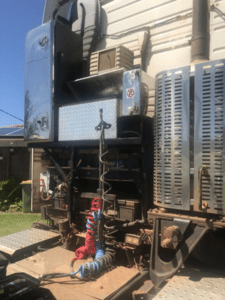
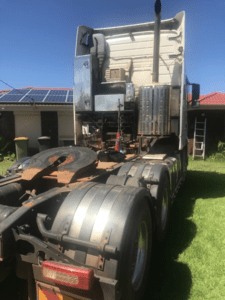
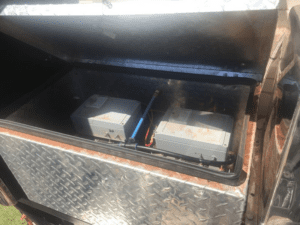
Fuel costs are controllable when they are treated as an operating system, not an unavoidable bill. Start with a clear baseline this week, fix the obvious mechanical losses, and test every change against real litres, real kilometres and real hours on the job.
by Gavan Knox MSc, BSc, BEd, Inventor
WhatsApp call +61 403177183
contact gavan@hfuel.com.au
https://hydrogenfuelsystems.com.au
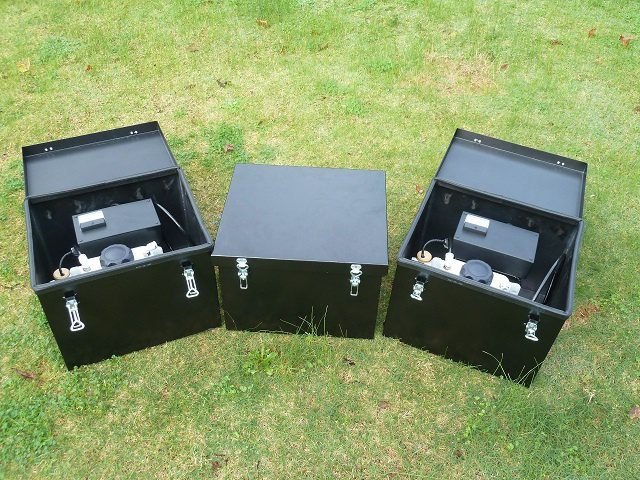
Brilliant Invention Gen 20 Hydrogen Generator ---(update Feb 7... Full Story

by Gavan Knox HFS whats app +61 403177183 gavan@hfuel.com.au... Full Story
A diesel that is smoking, using more fuel or... Full Story

How Do DC-DC Boost Regulators Affect Hydrogen Gas Production?... Full Story
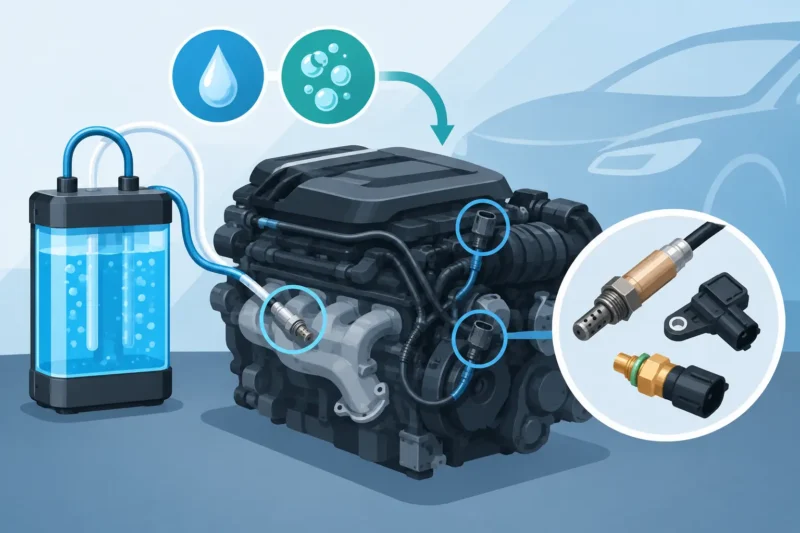
## Can HHO Affect Engine Sensors? What to Check... Full Story
Payment Methods Partner:

© 2023 - Hydrogenfuelsystems pty ltd