Brilliant Invention Gen 20 Hydrogen Generator July 2 2026
Brilliant Invention Gen 20 Hydrogen Generator ---(update Feb 7... Full Story
Perth, West Australia





by Gavan Knox MSc, BSc, BEd, Inventor
WhatsApp call +61 403177183
contact gavan@hfuel.com.au
https://hydrogenfuelsystems.com.au
Fuel is one of the biggest costs in any diesel operation, and when a truck is burning through tank after tank every week, small efficiency gains matter. That is exactly why a hydrogen kit for diesel trucks keeps getting attention from owner-drivers, fleet managers and operators chasing lower running costs without replacing proven diesel equipment.
The real question is not whether the idea sounds clever. The question is whether it delivers usable savings, stronger combustion and a clear return in day-to-day work. For the right application, it can. But like any aftermarket performance system, results depend on the engine, the duty cycle, the install quality and whether the kit is properly matched to the truck.
A hydrogen enhancement kit does not turn your truck into a hydrogen vehicle. It adds a controlled amount of on-board generated hydrogen and oxygen gas into the intake so the diesel burn becomes more complete. That matters because diesel engines do not always burn every drop of fuel with maximum efficiency, especially under load, in stop-start work, or when carbon build-up and incomplete combustion start dragging performance down.
When combustion improves, the usual targets are straightforward – lower fuel consumption, cleaner exhaust, better throttle response, stronger torque delivery and less soot. That is the commercial appeal. You are not scrapping a working truck or gambling on unproven theory. You are improving the combustion event inside the engine you already own.
For operators, that difference is critical. A truck that keeps its diesel platform but uses fuel more efficiently is often far more practical than a full vehicle replacement program.
Heavy diesel engines are built for hard work, but they also give you a lot of room to gain from better combustion. High-kilometre trucks, towing vehicles, freight units, 4WD work trucks and machinery that spend long hours under load are exactly where fuel use hurts most. If a vehicle only does short suburban hops once in a while, the upside may be modest. If it works every day and drinks fuel all week, the economics change fast.
That is why hydrogen enhancement is usually most attractive in commercial use. The more litres you burn, the more every percentage point counts. Even a moderate improvement can translate into serious yearly savings across one truck, let alone a fleet.
There is another reason diesel applications get attention. Better combustion can also mean less visible smoke and lower carbon-related contamination through the engine. That does not mean a kit fixes mechanical faults or replaces maintenance. It means a healthy engine with a correctly installed system can run cleaner and more efficiently than it did before.
The basic process is simple. The kit uses the vehicle’s electrical system to power an electrolyser. That unit produces hydrogen and oxygen gas from water, then feeds the gas into the intake stream. Once it enters the combustion process, the gas helps the diesel ignite and burn more effectively.
The practical difference is what matters on the road. Operators are usually looking for three outcomes at once: reduced fuel use, improved pulling power and cleaner combustion. In many cases those goals line up. An engine that burns fuel more completely is not wasting as much of it, and that can show up both at the bowser and behind the wheel.
Of course, a truck is not a lab bench. Real results vary with engine size, injector condition, load profile, gearing, terrain and driver behaviour. Anyone promising identical gains on every truck is overselling it. The serious approach is to match system size to the application, install it correctly and assess results over real operating hours.
This is where buyers should be practical, not gullible. A hydrogen kit for diesel trucks is not magic. It is an efficiency upgrade. The aim is measurable improvement, not fantasy numbers.
In working applications, operators generally focus on fuel savings first because that is where the return is easiest to measure. Performance gains also matter, especially for trucks carrying weight, towing or working in demanding terrain. Drivers often report the truck feels freer, more responsive and less strained under load. Emissions reductions are another common target, particularly where smoke and soot are part of the problem.
The best way to judge value is by operating data. Track fuel usage before installation. Track it after installation over the same kind of work. Look at litres per 100 km, load conditions, route type and idle time. If you want commercial confidence, use evidence, not guesswork.
That proof-based approach is exactly why serious buyers look for tested, patented and documented systems rather than backyard hardware. If a supplier cannot show technical documentation, test material and application guidance, you are being asked to take a punt.
Most problems do not come from the concept. They come from poor system selection and poor installation.
A truck with the wrong generator size, weak wiring, bad mounting, poor water management or no application guidance is far less likely to perform properly. The same goes for a tired engine with unresolved mechanical issues. If injectors are worn, filters are neglected or compression is down, the kit is not going to rescue the vehicle. It is an enhancement system, not a substitute for maintenance.
That is why application-specific advice matters. A light diesel ute, a prime mover, a marine diesel and a generator do not have the same gas demand, electrical profile or mounting layout. One-size-fits-all thinking is where disappointment starts.
If you are comparing options, focus on the things that affect outcomes, not just sticker price. The first is sizing. Systems such as Gen 10, Gen 15, Gen 20 and Gen 25 exist for a reason. Different engines and workloads need different output levels. Undersize the system and gains may be limited. Oversize it without proper control and you are not making a smarter buy.
The second is documentation. You want install instructions, wiring guidance, parts support, filtration components and technical backup. A commercial operator does not have time for trial and error. The right kit should come with enough direction to get the system installed and operating as intended.
The third is proof. Patent references, certification documents, test reports and real application examples all matter because they separate serious equipment from hobby-grade gear. Hydrogen Fuel Systems has built its position around that point – proven product, documented performance and application-specific guidance.
No. That is the honest answer.
If the truck does low kilometres, burns relatively little fuel, or is near replacement anyway, the payback may not be compelling. If the electrical system is already compromised or the engine has unresolved faults, sort those issues first. And if you are expecting one aftermarket system to transform a badly neglected truck into a perfect performer, that is not how mechanical reality works.
Where hydrogen enhancement makes the strongest case is in vehicles and fleets with meaningful fuel spend, consistent operating hours and enough service life left to benefit from the savings. In those cases, the maths can become very hard to ignore.
Start with your fuel numbers. Know what the truck actually uses. Then look at engine type, typical load, daily run pattern and how long you plan to keep the vehicle. From there, talk about sizing and installation, not hype.
A serious buyer should also ask what support is available after purchase. Can you get replacement parts? Is there technical documentation? Is the kit built for the engine class you run? These are basic commercial questions, and they matter more than flashy claims.
The operators who get the best outcomes usually treat the purchase like any other efficiency investment. They compare cost against expected return, install it properly, monitor performance and judge it by real operating results.
For diesel owners under pressure from fuel bills, that is the right mindset. A hydrogen kit is not about trends or talk. It is about making a working truck cost less to run while getting more out of every litre. If your diesel earns its keep the hard way, a properly matched system is worth a serious look.
Sunday, June 28, 2026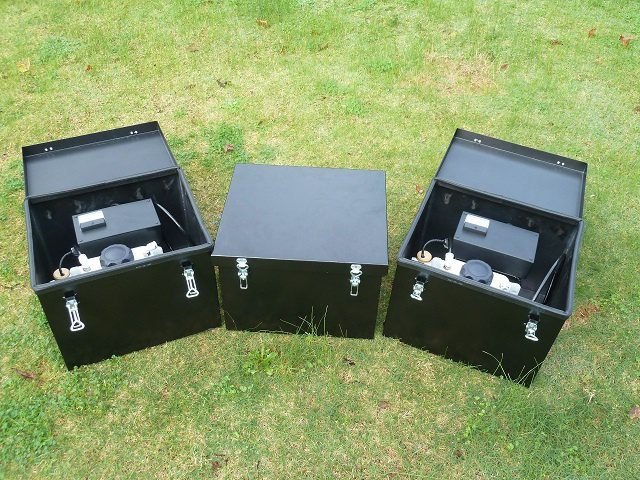
Brilliant Invention Gen 20 Hydrogen Generator ---(update Feb 7... Full Story

by Gavan Knox HFS whats app +61 403177183 gavan@hfuel.com.au... Full Story
HHO Versus Additives: What Actually Pays Back? - Oct.... Full Story
Run a Fleet Hydrogen Trial That Shows Real Results... Full Story

4WD Hydrogen Results for Hard-Working Rigs - Oct 9... Full Story
Payment Methods Partner:

© 2023 - Hydrogenfuelsystems pty ltd