Brilliant Invention Gen 20 Hydrogen Generator July 2 2026
Brilliant Invention Gen 20 Hydrogen Generator ---(update Feb 7... Full Story
Perth, West Australia





by Gavan Knox MSc, BSc, BEd.
WhatsApp call +61 403177183
contact gavan@hfuel.com.au
https://hydrogenfuelsystems.com.au
Anyone running a diesel ute, light truck, generator or work boat knows the problem – fuel bills keep climbing, and emissions compliance is only getting tighter. That is exactly why hydrogen kit emissions reduction has become a serious topic for owners who want lower operating costs, cleaner exhaust and better combustion from the same engine.
This is not about wishful thinking or green slogans. It is about what happens inside the combustion chamber when a correctly sized hydrogen assist system is installed properly, tuned sensibly and matched to the application. If the goal is to get more from every litre of fuel while cutting visible smoke and reducing harmful exhaust output, the right system can make commercial sense.

A hydrogen generator kit, often called an HHO kit, produces a supplementary gas on demand and feeds it into the engine air intake. That added gas changes the burn characteristics of the fuel-air charge. In practical terms, the engine can achieve a more complete combustion event, which is where the emissions reduction story starts.
Incomplete combustion is expensive. It leaves energy on the table, increases soot, contributes to carbon build-up and sends more unwanted by-products out the exhaust. When combustion improves, you can see reductions in smoke and particulates, and in many applications there can also be measurable changes in carbon monoxide and hydrocarbon output. On diesel engines especially, that cleaner burn is one of the first things operators notice.
The key point is simple. Hydrogen does not replace the main fuel in a standard aftermarket setup. It supports a more efficient burn of the diesel or petrol already being used. That is why the best buyers do not look at emissions reduction in isolation. They look at the full operating picture – fuel use, throttle response, engine smoothness, carbon build-up and maintenance pressure.
Engines do not waste fuel because they are lazy. They waste fuel because real-world combustion is messy. Load changes, poor atomisation, ageing injectors, carbon deposits and inconsistent driving conditions all affect how cleanly fuel burns.
A well-designed hydrogen system aims to improve flame propagation and support a faster, more complete burn. That can help reduce unburnt fuel leaving the chamber. The practical result is often less black smoke under load, cleaner exhaust note and reduced soot output. For high-use diesel applications, that matters because smoke is not just a visual nuisance – it is a sign that fuel is being wasted.
This is also why the strongest results tend to show up in vehicles and machines that work for a living. A highway truck, a generator under sustained load, a marine engine pushing through long duty cycles or a 4WD carrying tools and gear all provide the kind of repeatable operating conditions where improved combustion can show up in both emissions and fuel consumption.
This is where plenty of buyers get it wrong. They assume any kit on any engine will deliver the same result. It will not.
Engine size matters. Duty cycle matters. Electrical capacity matters. The type of work matters. A lightly used suburban runabout will not show the same commercial return as a diesel truck clocking serious kilometres every week. A generator running consistent load can behave very differently from a stop-start delivery vehicle. Marine applications have their own installation and operating variables again.
That is why proper system sizing is not optional. A unit that is too small may underperform. A unit that is oversized or poorly installed can create unnecessary complications. Buyers should be looking for application-specific guidance, tested sizing options and technical documentation that shows the supplier understands different engine classes rather than pushing a generic box for everything.
Let us be blunt. If someone promises identical gains on every engine, walk away.
Real-world hydrogen kit emissions reduction depends on engine condition, maintenance history, load profile, fuel quality and installation quality. Older engines with carbon build-up and visible smoke can sometimes show obvious improvements because there is more inefficiency to correct. Well-maintained engines may still improve, but the gains can be more incremental.
In many working applications, the most realistic early signs are reduced visible smoke, smoother running under load and improved throttle response. Fuel savings and lower exhaust emissions often track together because they both come back to combustion efficiency. That said, a tired engine with injector issues, turbo faults or poor compression is not going to be fixed by an HHO kit alone. The system works best when the engine is mechanically sound.
That trade-off matters. A hydrogen assist setup is an efficiency upgrade, not a substitute for proper maintenance.
High-consumption applications are where owners usually pay attention fastest. If you are filling a truck every few days, running a generator for long periods, or putting serious hours on a marine engine, small percentage improvements can add up quickly. That is why fleets, owner-drivers and machinery operators are often stronger candidates than casual drivers.
Australian conditions make that even more relevant. Long distances, hot weather, remote work and heavy towing all push engines hard. In those conditions, buyers are not interested in theory. They want proof, fitment guidance and numbers that hold up in the real world.
For that reason, the strongest aftermarket suppliers focus on documented applications across cars, trucks, 4WDs, generators and marine engines. They also back the hardware with instructions, technical support and component options suited to different electrical and engine demands.
If emissions reduction is one of your reasons for buying, do not stop at the headline claim. Ask what evidence sits behind it.
You want to see whether the system has been tested, what engine types it has been used on, and whether the supplier can show certification documents, reports or application data. Look at how the system is built, how the gas is delivered, what filtration is used and how installation is handled. A serious supplier will not dodge technical questions.
You should also ask about support after the sale. Installation quality directly affects performance. A buyer who gets the right unit, follows the instructions and installs it cleanly is far more likely to see worthwhile results than someone fitting a mismatched kit with poor wiring and guesswork plumbing.
This is where a brand such as Hydrogen Fuel Systems has built its case in the market – not by treating hydrogen enhancement as experimental, but by positioning it as a tested, patented and documented upgrade for practical engine users.
The aftermarket world is full of noise. Big claims are easy. Verified outcomes are harder.
For emissions-focused buyers, proof matters because the result is not always visible in one quick glance. Yes, reduced smoke can be obvious. But broader exhaust improvements are better judged through consistent operating data, before-and-after comparisons and test-backed documentation. That is especially true for fleets and commercial operators who need a business case, not a sales pitch.
A supplier worth dealing with should be comfortable talking through the limits as well as the upside. For example, if your vehicle spends its life idling, doing short cold runs or carrying unresolved engine faults, the result may be less dramatic. If it works under sustained load and burns a lot of fuel, the upside can be much stronger. Straight answers build confidence.
For most buyers, cleaner exhaust is welcome, but it is not the only reason to invest. The real attraction is the overlap between emissions reduction and engine efficiency.
When combustion improves, there is potential for lower fuel use, cleaner running and reduced soot-related build-up. That can mean less stress on the engine over time and a better driving or operating feel day to day. For businesses, that makes the buying decision easier to justify because the benefit is not stuck in one box labelled compliance or environment. It affects operating cost and usable performance at the same time.
That is the difference between a novelty product and a serious upgrade. A serious upgrade earns its place by doing a job on the road, on site or on the water.
If your engine works hard, uses plenty of fuel and is mechanically healthy, a properly matched hydrogen kit can be a smart way to chase emissions reduction and efficiency together. If your expectation is that a small add-on will rescue a neglected engine or deliver miracle numbers with no proof, you are looking at it the wrong way.
The better approach is practical. Match the kit to the application. Check the evidence. Make sure the installation is done properly. Then judge the result where it counts – in fuel burn, smoke output, engine response and day-to-day operating cost.
The smartest buyers are not chasing hype. They are chasing measurable improvement, and that is where the right hydrogen system starts to earn its keep.
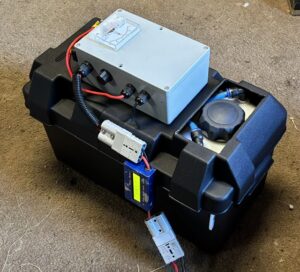
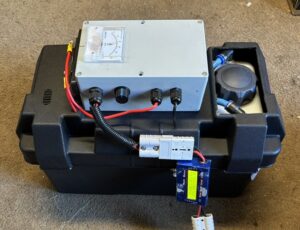
call gavan knox 0403177183
email gavan@hfuel.com.au gavan@hfuel.com.au
WhatsApp +61 403177183
Monday, July 6, 2026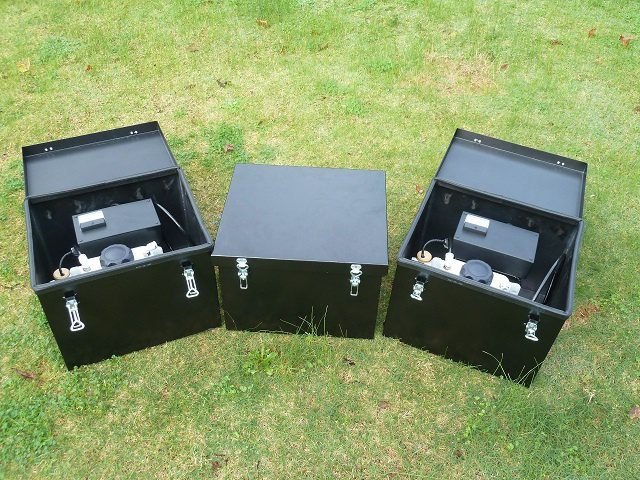
Brilliant Invention Gen 20 Hydrogen Generator ---(update Feb 7... Full Story

by Gavan Knox HFS whats app +61 403177183 gavan@hfuel.com.au... Full Story

Best Vehicles for HHO Upgrades in Australia - Oct... Full Story

Fuel Economy Methodology That Produces Real Numbers - oct... Full Story

Can HHO Improve Towing Economy? Facts That Matter -... Full Story
Payment Methods Partner:

© 2023 - Hydrogenfuelsystems pty ltd