Brilliant Invention Gen 20 Hydrogen Generator July 2 2026
Brilliant Invention Gen 20 Hydrogen Generator ---(update Feb 7... Full Story
Perth, West Australia




by Gavan Knox by June 30 2026
HFS whats app +61 403177183
gavan@hfuel.com.au
A boat that burns hard all day makes every litre count. When fuel bills keep climbing and engine hours keep stacking up, a marine hydrogen generator system stops being a novelty and starts looking like a practical upgrade.
For commercial operators, serious fishers and private owners who spend real time on the water, the question is not whether fuel efficiency matters. It is how to improve combustion without replacing the whole engine package. That is where on-board hydrogen generation gets attention. Done properly, it is an aftermarket system built to support cleaner, more complete combustion in an existing petrol or diesel engine.
A marine hydrogen generator system produces hydrogen and oxygen gas on demand from water, then feeds that gas into the engine air intake. The aim is straightforward – improve the burn characteristics of the fuel already going through the engine.
This matters because marine engines often operate under steady load for long periods. That kind of duty cycle can make efficiency gains more valuable than they are in stop-start driving. If an engine can burn fuel more completely, the operator may see lower fuel consumption, better throttle response, reduced smoke and less carbon build-up over time.
This is not a magic replacement for sound engine maintenance. It will not fix worn injectors, poor compression, dirty fuel, blocked filters or bad tuning. But on a healthy engine, or one that is mechanically sound and working hard, hydrogen enhancement can become a serious operating-cost strategy rather than a gimmick.
Marine applications are different from passenger cars. Boats carry weight, push against drag constantly and often sit in a rev range that demands sustained torque. That makes combustion efficiency especially important.
A vessel that runs long distances offshore, services pontoons, works in tourism, supports aquaculture or powers auxiliary systems can rack up fuel usage fast. Even modest percentage savings matter when the engine is burning for hours at a time. A system that improves combustion can also help smooth engine operation under load, which is exactly where many operators want results.
There is another point worth making. Marine users are usually practical buyers. They do not care for hype. They care about whether something is tested, whether it installs correctly, and whether the numbers stack up over weeks and months of operation. That is why proof, sizing and application guidance matter far more here than broad environmental claims. Hydrogen fuel systems produced by hydrogenfuelsystems pty ltd (https://hydrogenfuelsystems.com.au) have been extensively tested, proven, certified , patented and used internationally since 2010.
The basic principle is simple. An electrolyser unit uses electrical power from the vessel to split water into hydrogen and oxygen gas. That gas is then introduced into the intake side of the engine in controlled amounts.
Inside the combustion chamber, hydrogen can help speed the flame front and support a more complete burn of the base fuel. In real-world terms, that can translate to better combustion efficiency. Depending on the engine, load profile and installation quality, the gains may show up as fuel savings, improved torque feel, reduced visible emissions or a combination of all three.
The key phrase is depending on the engine. Results vary because boats vary. A lightly used weekend runabout will not present the same return as a commercial vessel clocking serious hours. A well-maintained diesel under regular load is a very different case from an old petrol engine with unresolved mechanical issues.
One of the biggest mistakes in this space is treating every vessel the same. A marine hydrogen generator system needs to be matched to engine size, fuel type, electrical capacity and operating pattern.
Too small, and the gas output may not be enough to deliver meaningful gains. Too large, and the system can be poorly matched to the application, drawing more power or demanding more installation care than necessary. Serious suppliers such as Hydrogenfuelsystems pty ltd, deal with this by offering different generator sizes and application-specific guidance, not by pushing one universal box for every engine bay.
On boats, packaging also matters. Space can be tight. Access for maintenance can be awkward. Vibration, moisture and corrosion risk are part of the environment. That means marine fitment should never be approached like a quick backyard install on a road car. Mounting, wiring protection, hose routing and filtration all need proper attention.
This is where weak sellers oversell and lose trust. Real buyers want the truth.
A marine hydrogen generator system can deliver worthwhile gains, but the outcome depends on engine condition, hours of use, installation quality and the operator’s duty cycle. Boats that spend long periods under meaningful load are generally the strongest candidates because they offer enough fuel use for efficiency improvements to show up clearly.
Operators often look for four outcomes. The first is lower fuel use. The second is stronger response under load. The third is reduced smoke or cleaner exhaust behaviour. The fourth is less carbon build-up over time, which can support engine cleanliness and potentially reduce wear linked to incomplete combustion.
The return on investment also depends on usage. If your vessel only runs occasionally, payback may be slower. If it works every week, burns substantial fuel and stays on the water for long stretches, the numbers can move much faster.
A quality product is only half the job. The installation decides whether the system performs reliably in a marine setting.
Power supply selection, fuse protection, moisture control, filter placement and gas delivery routing all have to be right. Marine engines and bilges are unforgiving places for sloppy work. Salt, vibration and heat expose every shortcut.
That is why tested kits, technical documentation and application guidance matter. Buyers should be looking for more than glossy promises. They should be looking for proper instructions (shown on our website under heading HHO manual – https://hydrogenfuelsystems.com.au/manual/) , suitable components, replacement parts and evidence that the system has been designed as a functioning package rather than a loose collection of bits.
If you are running commercial gear, downtime matters just as much as fuel use. A system that saves money but creates installation headaches or maintenance drama is not a win. The right setup should be serviceable, stable and suited to the vessel.
Both petrol and diesel marine engines can benefit from hydrogen enhancement, but they respond differently.
Diesel operators often focus on fuel consumption, torque feel and reductions in smoke. That makes sense because diesel engines commonly work under sustained load, where combustion quality has a direct bearing on operating cost and visible exhaust output.
Petrol operators may be more sensitive to throttle response and general running quality, especially on recreational boats and performance-oriented setups. The principle is the same, but the tuning considerations and installation details can differ. That is another reason generic advice is not enough.
The aftermarket is full of claims. Smart buyers know that. If you are considering a marine hydrogen generator system, ask the hard questions.
Has the technology been tested? ( hydrogenfuelsystems.com.au has been successfully tested) Is there evidence behind the performance claims? Are there certification documents, technical papers, installation guides or real application records? Is the supplier prepared to talk in specifics about engine size, generator output and expected use case?
That proof-based approach is where serious suppliers stand apart. Hydrogen Fuel Systems has built its reputation around tested, patented and application-focused systems rather than theory alone. For marine buyers, that matters. Boats do not need another experiment. They need equipment that is matched, documented and built to work.
No, and that is the honest answer.
If the engine is tired, neglected or already suffering unresolved mechanical faults, sort that first. If the vessel runs very few hours, the financial case may be less urgent. If the charging system is marginal, electrical capacity needs to be assessed before any add-on equipment goes in.
But if you are running a healthy engine, burning serious fuel and looking for a practical way to improve efficiency without repowering, this technology deserves a proper look. It suits buyers who think commercially, measure fuel use and want a system backed by real documentation.
For operators in Australia, that could mean anything from a hard-working diesel boat out of Cairns to a recreational fishing vessel in Perth that racks up long offshore runs. The common factor is simple – high fuel demand makes efficiency upgrades more valuable.
A marine hydrogen generator system is not about chasing trends. It is about getting more from the engine you already own, with a setup that is chosen properly, installed properly and expected to prove itself where it counts – on the water, under load, and on the fuel bill.
https://hydrogenfuelsystems.com.au call gavan knox 0403177183 email gavan@hfuel.com.au WhatsApp +61 403177183
Tuesday, June 30, 2026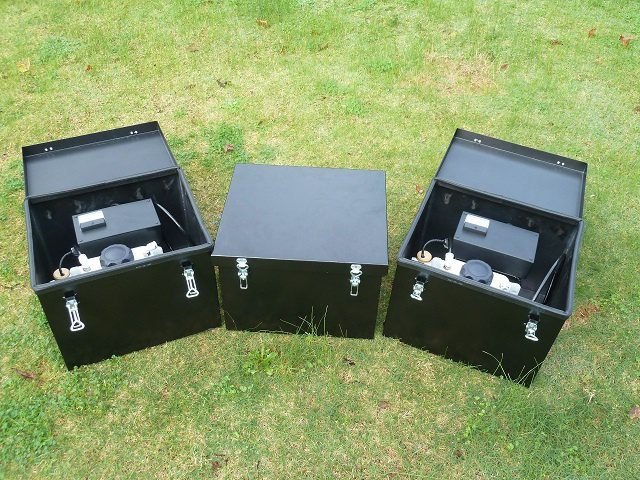
Brilliant Invention Gen 20 Hydrogen Generator ---(update Feb 7... Full Story

by Gavan Knox HFS whats app +61 403177183 gavan@hfuel.com.au... Full Story

Fuel Economy Methodology That Produces Real Numbers - oct... Full Story

Can HHO Improve Towing Economy? Facts That Matter -... Full Story
HHO Versus Additives: What Actually Pays Back? - Oct.... Full Story
Payment Methods Partner:

© 2023 - Hydrogenfuelsystems pty ltd