Brilliant Invention Gen 20 Hydrogen Generator July 2 2026
Brilliant Invention Gen 20 Hydrogen Generator ---(update Feb 7... Full Story
Perth, West Australia





by Gavan Knox MSc, BSc, BEd, Inventor
WhatsApp call +61 403177183
contact gavan@hfuel.com.au
https://hydrogenfuelsystems.com.au
receipt is not a test result. Neither is one good run down the freeway with a tailwind, an empty tray and a light right foot. Real hydrogen kit test results show whether an HHO system is delivering measurable value under conditions that matter to the way your vehicle, truck, boat or generator actually works.
For an owner-driver burning through diesel every week, the question is simple: does the system reduce operating cost without compromising reliability? For a fleet manager, the question gets tougher: can the improvement be repeated across vehicles, routes and drivers? The numbers only mean something when the testing method is strong enough to separate a genuine change from normal variation in traffic, load, weather and driving style.

A useful test starts with a baseline. That means recording the vehicle’s fuel consumption, operating conditions and engine behaviour before an HHO kit is fitted. Once the hydrogen generator is installed and correctly commissioned, the same measurements are taken again over a comparable period.
Fuel consumption is usually the headline figure, and rightly so. Litres per 100 km, kilometres per litre, litres per hour or fuel used per tonne moved are practical measures because they translate directly to dollars. A long-haul prime mover, a diesel generator and a suburban petrol ute should not be judged by the same metric. The right figure is the one that reflects how the machine earns its keep.
But fuel is not the only number worth watching. Strong hydrogen kit test results may also track power and torque on a dyno, exhaust emissions, exhaust gas temperature, idle quality and engine response under load. For working equipment, reduced smoke under acceleration or more stable pull on a climb can matter just as much as a percentage on a spreadsheet.
The best evidence combines controlled measurements with real-world operating data. A dyno can show changes in torque and power under repeatable load. A road or fleet trial can show whether the system produces an economic return in day-to-day work. One without the other tells only part of the story.
Before accepting any claimed fuel-saving figure, look at what happened during the test. This is where vague promises get exposed and properly documented results stand up.
A credible comparison keeps the major variables as close as possible. The vehicle should carry a similar load, run similar routes, operate at comparable speeds and use the same fuel type. Tyre pressures, servicing condition and driver behaviour also affect consumption. A diesel that has just had blocked filters replaced may improve on fuel before any hydrogen system has done a kilometre of work.
For generators and marine engines, the load profile is critical. Testing a generator at 25 per cent load one week and 75 per cent the next does not produce a fair comparison. Marine testing needs the same attention to sea state, vessel load, propeller condition and engine RPM. The harder the application works, the more disciplined the recording needs to be.
A single tank is useful as an initial check, but it is not enough to make a business decision. Fill variations, traffic delays, regeneration cycles in modern diesels and a change in payload can move the result considerably. The answer is not to ignore short tests. It is to treat them as an indicator, then continue gathering data.
For a vehicle with consistent work, several fill cycles before and after installation provide a much clearer picture. For fleets, use enough kilometres and enough operating hours to smooth out the odd bad run. A system that saves fuel only on the best day is not a commercial solution.
Baseline data should be collected before fitting the kit, not reconstructed from memory. Use receipts, telematics, fuel-card records or a logbook. Record odometer readings, litres added, hours worked and the type of work performed.
If the vehicle has a mechanical issue, fix that first. Dirty air filters, injector faults, boost leaks, dragging brakes and poor tyre condition can distort every result. An HHO system is designed to support more efficient combustion. It is not a substitute for basic maintenance.
Percentage savings attract attention, but raw percentages can hide the commercial reality. A 10 per cent improvement on a lightly used weekend 4WD may take a long time to pay back. A smaller improvement on a high-hour generator or a truck covering serious kilometres can be worth far more over a year.
Start with annual fuel spend. Then apply the measured saving from a comparable test, not the biggest figure you have seen quoted for a completely different engine. From there, calculate the litres saved, the dollar value at your actual fuel price and the likely payback period.
For example, an owner-driver spending $30,000 a year on fuel has a much stronger reason to test a proven efficiency upgrade than a vehicle doing a few thousand kilometres annually. The system size, installation quality and duty cycle all affect the outcome. A Gen 10 is not intended to deliver the same output as a Gen 25, and a correctly matched unit matters.
Be equally careful with claims based on kilometres per litre versus litres per 100 km. When fuel use improves, kilometres per litre rises while litres per 100 km falls. The direction changes, but the outcome should be consistent. A proper spreadsheet makes this obvious and prevents selective reporting.
Fuel saving is often the buying trigger, yet many operators notice the engine behaviour first. Better throttle response, smoother running and more usable low-end pull can make a loaded vehicle easier to drive. On a diesel workhorse, torque under load is usually more valuable than a peak power figure that only appears at high RPM.
Dyno results can be highly useful when the test is performed consistently. The same vehicle should be tested in the same gear, with the engine at similar operating temperature and with identical correction settings. Ask whether the runs were repeated and whether the published result shows an average or simply the best pull of the day.
A dyno does have limits. It cannot fully replicate headwinds, hills, road surfaces, payload changes or a trailer behind the vehicle. That is why practical operating data still matters. If a ute feels stronger but uses more fuel because the driver enjoys the extra response, the commercial result may differ from the dyno chart.
Lower visible smoke and cleaner exhaust readings can be valuable, particularly for diesel machinery working around people, buildings or confined sites. However, emissions testing must identify exactly what was measured, the test equipment used and the engine conditions at the time.
A reduction in one reading does not automatically mean every emissions measure has improved. Exhaust chemistry is complex, and results vary by engine design, tune, fuel, load and after-treatment equipment. Treat emissions reports as technical evidence for the tested application, not a blanket promise for every vehicle on the road.
Any modification must also be suitable for the vehicle and comply with applicable Australian roadworthiness, emissions, insurance and workplace requirements. This is particularly relevant for commercial fleets and vehicles operating across state borders. A professional installation and clear documentation protect both the equipment and the operator.
A test report should answer practical questions without forcing you to guess. What engine was tested? What was the vehicle or machine doing? How long did the test run? Was fuel measured by a repeatable method? Were baseline and post-installation conditions comparable? Was the hydrogen system sized and installed specifically for that application?
Also ask whether the result is relevant to your own operation. A test on a lightly loaded passenger vehicle may not predict outcomes for a towing ute. A result from a stationary generator may be more useful to a pumping contractor than a highway truck trial. Matching the evidence to the application is how smart buyers avoid expensive assumptions.
Hydrogen Fuel Systems focuses on application-specific system selection because output, engine size and operating load all matter. The right kit is the one that suits the job, not simply the largest unit available.
The strongest hydrogen kit test results are not the loudest ones. They are the results that show the baseline, the method, the conditions and the operating value after installation. They give you something you can put against fuel invoices, fleet targets and maintenance records.
If fuel is one of your biggest operating costs, start recording it properly before you fit anything. That discipline gives you a clean benchmark, makes the installation easier to evaluate and puts you in control of the decision once the real kilometres begin.
by Gavan Knox MSc, BSc, BEd.
WhatsApp call +61 403177183
contact gavan@hfuel.com.au
https://hydrogenfuelsystems.com.au
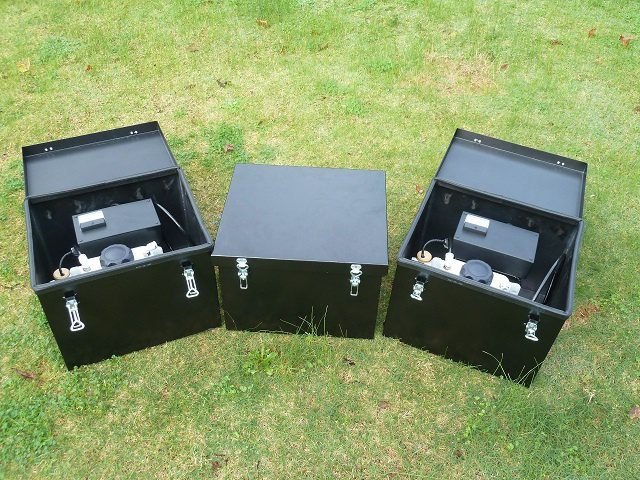
Brilliant Invention Gen 20 Hydrogen Generator ---(update Feb 7... Full Story

by Gavan Knox HFS whats app +61 403177183 gavan@hfuel.com.au... Full Story
A diesel that works hard does not hide its... Full Story

Best Vehicles for HHO Upgrades in Australia - Oct... Full Story

Fuel Economy Methodology That Produces Real Numbers - oct... Full Story
Payment Methods Partner:

© 2023 - Hydrogenfuelsystems pty ltd