Brilliant Invention Gen 20 Hydrogen Generator July 2 2026
Brilliant Invention Gen 20 Hydrogen Generator ---(update Feb 7... Full Story
Perth, West Australia





by Gavan Knox MSc, BSc, BEd, Inventor
WhatsApp call +61 403177183
contact gavan@hfuel.com.au
https://hydrogenfuelsystems.com.au
Are Hydrogen Generator Kits for Cars Worth It? A vehicle that burns a lot of fuel gives you a clear signal every time you fill the tank. For owner-drivers, tradies, 4WD owners and fleet operators, that cost is not theoretical – it comes straight out of the weekly operating budget. Hydrogen generator kits for cars are built to address that pressure by improving the way fuel burns inside an internal combustion engine.
The appeal is straightforward. Better combustion can mean less wasted fuel, sharper engine response, lower exhaust emissions and reduced carbon build-up. But the result is only as good as the system, the installation and the vehicle it is fitted to. This is not a magic box to bolt on and forget. It is an engine-efficiency upgrade that needs to be correctly sized, properly installed and measured in the real world.

Often called HHO kits, hydrogen generator kits create a controlled amount of hydrogen and oxygen on board using electrical power and water. The gas is introduced into the engine’s intake air, where it supplements the normal combustion process.
Hydrogen has a very fast flame speed. When a correctly metered HHO supply enters the intake charge, it can help the existing petrol or diesel fuel burn more completely. The intended result is a cleaner, more efficient combustion event rather than simply adding more fuel or forcing the engine to work harder.
That matters most in vehicles that spend long hours under load: utes carrying tools, diesel 4WDs towing caravans, delivery vehicles running stop-start routes, trucks covering highway kilometres and work vehicles that idle regularly. A small change in fuel use across high kilometres can have a meaningful effect on operating costs.
The potential benefits commonly sought from an on-board hydrogen system include improved fuel economy, stronger low-end torque, cleaner exhaust output and less carbon contamination in the intake and combustion chamber. Results vary by engine condition, driving style, load, route, tuning and the quality of the installation. A well-maintained vehicle driven consistently gives the clearest basis for measuring whether the system is paying its way.
Most drivers do not buy an HHO system because they are fascinated by electrolysis. They buy it because fuel bills are high, the engine feels lazy under load, or they want to get more useful work from every litre in the tank.
In a conventional internal combustion engine, not every drop of fuel is converted into useful energy. Combustion quality is affected by air-fuel mixing, cylinder temperature, injector condition, carbon build-up, engine load and driving conditions. Poorer combustion can leave unburnt hydrocarbons, soot and deposits behind while wasting potential energy through the exhaust.
A hydrogen enhancement system is designed to support a faster, more complete burn. For diesel engines in particular, where fuel and air are mixed differently from petrol engines, the improvement in combustion behaviour can be especially relevant under sustained load. That is why the technology is regularly considered for 4WDs, light trucks, generators, marine engines and commercial fleets as well as passenger cars.
Do not confuse this with converting a vehicle into a hydrogen-powered car. The engine still runs on its normal fuel. The generator produces a supplementary gas on demand, with the aim of improving how that primary fuel is used.
A small system on a large working engine may not produce enough gas to make a worthwhile difference. An oversized or poorly controlled setup is not the answer either. Correct sizing is where practical technical advice separates a serious installation from a cheap experiment.
Hydrogen Fuel Systems supplies Gen 10, Gen 15, Gen 20 and Gen 25 systems for different engine capacities and applications. The right choice depends on more than the badge on the bonnet. Engine size, petrol or diesel fuel type, turbocharging, typical load, annual kilometres and available mounting space all need consideration.
A commuter car that mostly travels short suburban distances has different requirements from a LandCruiser towing a van through WA, or a diesel work truck travelling interstate. A generator may operate at a stable load for hours, while a delivery vehicle constantly cycles through acceleration, braking and idling. The system must suit the duty cycle, not just the engine capacity.
Before selecting a kit, establish the vehicle’s actual fuel use. Record litres used, kilometres travelled, working load and route type over several tanks. This gives you a baseline. Without one, claims of savings are little more than guesswork.
An HHO kit has to be treated as an integrated engine and electrical system. The generator, reservoir, hoses, fittings, electrical supply, fuse protection, relay, controller and intake connection all need to be installed securely and in the correct locations.
The unit should be mounted away from excessive heat and moving components, with easy access for routine checks. Hoses must be routed safely, protected from chafing and kept clear of sharp edges. Electrical wiring needs proper fusing, sound earth connections and cable sizing that suits the system’s draw. A poor connection can create unreliable output; an unfused circuit can create a far more serious problem.
Water quality and maintenance also matter. Use the specified fluid and consumables, inspect the system regularly, and keep filters and fittings clean. If the vehicle has existing faults – blocked air filters, failing injectors, boost leaks, worn plugs, sensor errors or neglected servicing – fix those first. A hydrogen generator is designed to improve combustion efficiency, not compensate for a mechanically unhealthy engine.
For modern vehicles, intake placement and any tuning-related requirements must be considered carefully. Never interfere with factory emissions equipment, safety systems or engine management wiring. If you are not confident with automotive electrical and mechanical work, have the kit fitted by a competent installer who understands the application.
The only figure that matters is repeatable fuel use under comparable conditions. Dashboard economy displays can be useful, but they are not the final authority. Tank-to-tank records tell a more reliable story.
Start with a baseline over several full tanks before installation. Then compare the same type of work, route and load after the system has been fitted and checked. For a fleet, track fuel per 100 kilometres, idle hours, payload, driver and route. For a generator, record litres per operating hour at a similar load.
Avoid declaring victory after one favourable trip with a tailwind or one disappointing week stuck in city traffic. Fuel savings are influenced by tyre pressures, traffic, weather, payload, towing, service condition and how hard the driver uses the throttle. Good data cuts through opinions quickly.
The same discipline applies to performance. Look for usable changes: stronger pull when loaded, reduced hesitation, steadier idle or a lower need to downshift on hills. These are the outcomes working vehicle owners notice, because they affect how the vehicle earns its keep.
Australian vehicle modification requirements can differ between states and territories, particularly where a modification could affect emissions, safety or insurance. Before fitting a kit, check the requirements that apply to your vehicle and location, then notify your insurer if required.
A properly engineered system should never involve bypassing emission controls, defeating fault warnings or making unsafe alterations to fuel, electrical or intake systems. Keep installation instructions, component details and any supporting test or certification documentation with the vehicle records. That is useful for servicing, resale, insurance discussions and fleet compliance processes.
For businesses, documentation is not paperwork for paperwork’s sake. It helps establish that the installation was deliberate, traceable and maintained rather than an unknown modification hidden under the bonnet.
The strongest business case is usually found where fuel consumption is substantial and the vehicle has enough operating hours to reveal a measurable difference. A high-kilometre diesel ute, a towing 4WD, a courier vehicle, a truck, a boat or a fixed-speed generator can all be suitable candidates when correctly assessed.
A low-use weekend car may still benefit from cleaner combustion, but its financial payback will generally take longer because it burns less fuel each year. That is the practical distinction: the more fuel an engine uses in normal work, the more valuable every percentage improvement can become.
Buy on evidence, fit for the application, and track the result. When fuel is one of your biggest operating costs, a properly sized hydrogen system deserves to be assessed as a working investment – not dismissed as a gadget or installed as a gamble.
by Gavan Knox MSc, BSc, BEd.
WhatsApp call +61 403177183
contact gavan@hfuel.com.au
https://hydrogenfuelsystems.com.au
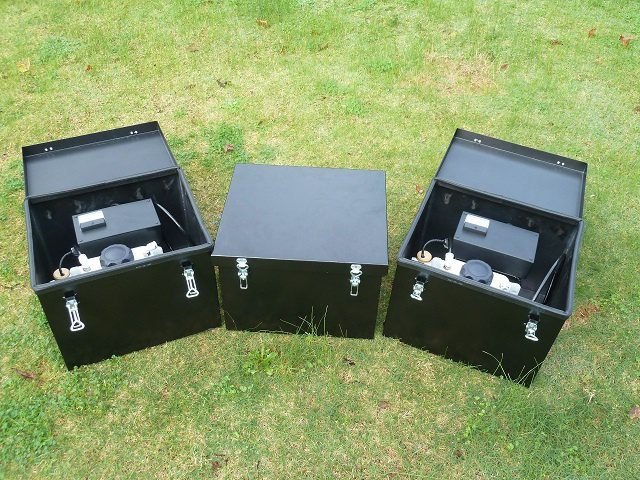
Brilliant Invention Gen 20 Hydrogen Generator ---(update Feb 7... Full Story

by Gavan Knox HFS whats app +61 403177183 gavan@hfuel.com.au... Full Story
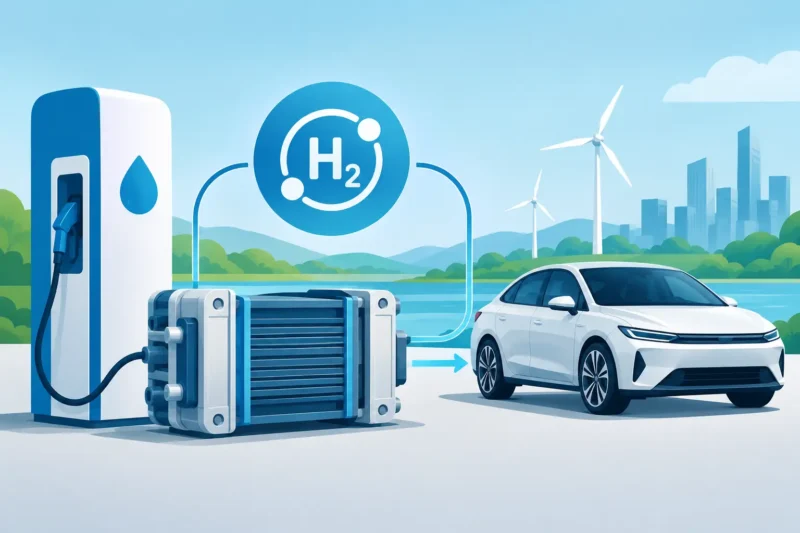
Hydrogen Cell Reviews for Real Engine Results - Oct... Full Story
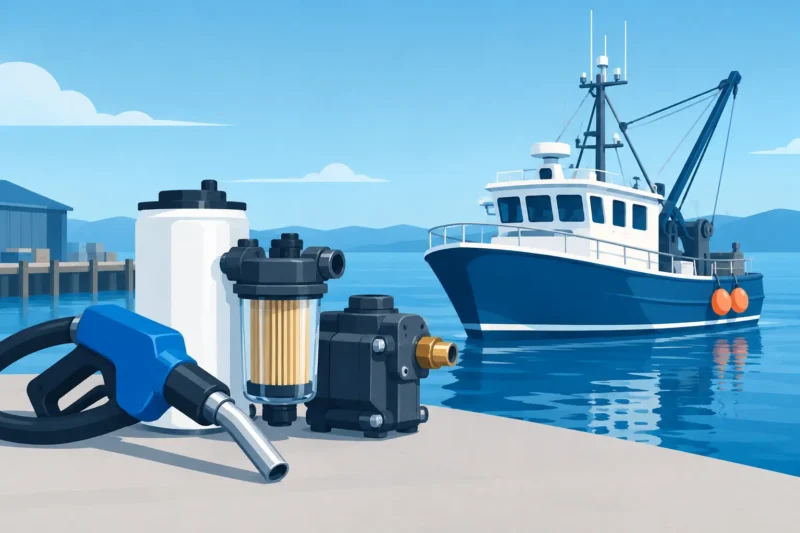
Best Marine Fuel Upgrades for Working Boats - Oct... Full Story
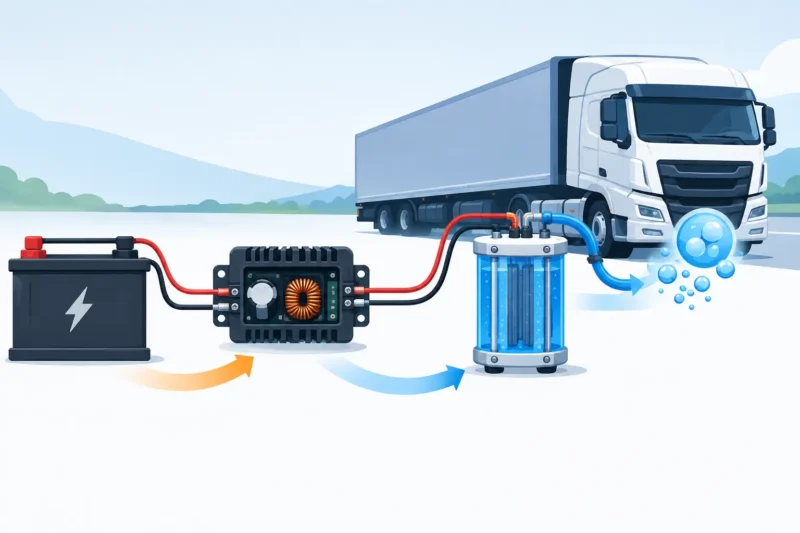
How 24V-to-13.8V Buck Configuration Regulators Affect HHO generation in... Full Story
Payment Methods Partner:

© 2023 - Hydrogenfuelsystems pty ltd