Brilliant Invention Gen 20 Hydrogen Generator July 2 2026
Brilliant Invention Gen 20 Hydrogen Generator ---(update Feb 7... Full Story
Perth, West Australia





by Gavan Knox MSc, BSc, BEd.
WhatsApp call +61 403177183
contact gavan@hfuel.com.au
https://hydrogenfuelsystems.com.au
Gen 20 Hydrogen Kit Review: Is It Worth It?. A Gen 20 hydrogen kit is not a cosmetic bolt-on for someone chasing a weekend talking point. This gen 20 hydrogen kit review is for operators who watch the fuel bowser, work their engines hard and want a practical answer: can an on-board hydrogen system earn its place under the bonnet?
For the right vehicle and duty cycle, the Gen 20 is built to support cleaner, more complete combustion by introducing hydrogen and oxygen gas into the engine’s air intake. That can mean less fuel required to do the same work, stronger response under load and lower exhaust emissions. But the size of the benefit comes down to the engine, how it is driven, the condition it is in and whether the kit is installed and set up properly.

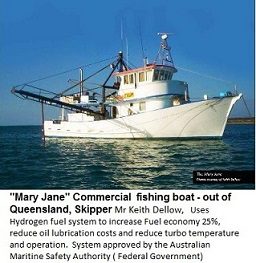
The Gen 20 sits in the heavier-duty end of an HHO kit range. It is aimed at engines that consume enough fuel for an efficiency improvement to matter in dollars, not just percentages. Think working 4WDs, larger utes, light trucks, delivery vehicles, machinery, generators and marine applications where the engine spends meaningful time operating under load.
The principle is straightforward. The unit uses electrical power to generate a controlled volume of hydrogen and oxygen gas on board. That gas is fed into the intake stream, where it assists the combustion event. Hydrogen has a fast flame speed, so the goal is not to replace petrol or diesel with a tank of hydrogen. It is to improve the way the existing fuel burns inside the cylinder.
That distinction matters. A Gen 20 system should be assessed as an efficiency and combustion-support upgrade, not a magic fuel-free driving device. Anyone promising that an HHO kit will eliminate fuel use is not giving you a serious technical conversation.
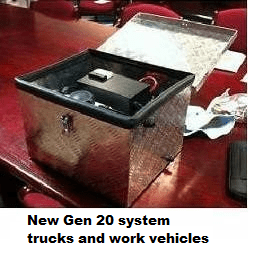
The best candidate is not always the biggest engine. It is the vehicle with consistent fuel use, regular operating hours and a driver or operator willing to track results. A tradie doing short, cold suburban runs may see a different outcome from an owner-driver covering long highway kilometres with a loaded trailer. Likewise, a generator on steady load can be easier to assess than a passenger vehicle that sees traffic, school runs and stop-start idling.
The Gen 20 makes most commercial sense where fuel expenditure is already high. If your vehicle burns substantial fuel every week, even a modest reduction in consumption can become a worthwhile annual saving. Fleet operators should look at litres per 100 km, idle time, payload, route type and maintenance history before deciding which system size is appropriate.
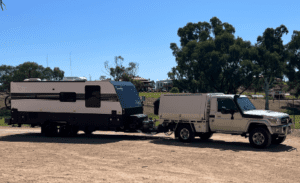
It can also suit 4WD owners who tow caravans, boats or work trailers. Towing exposes any weakness in combustion efficiency. Better response and reduced smoke under load are often as valuable to these drivers as the potential fuel saving, particularly when the vehicle is expected to pull hard in hot conditions.
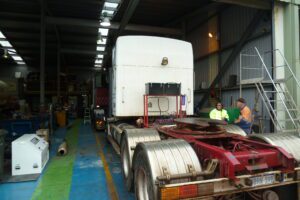
A hydrogen system is only as good as its supporting hardware and installation. The generator is the visible part, but it is not the whole system. A properly specified Gen 20 package needs suitable electrical protection, heavy-duty wiring, secure mounting hardware, plumbing, a bubbler or safety filter arrangement, electrolyte management and clear fitment instructions.
The power supply side deserves close attention. The kit must be fused correctly and wired to operate safely with the vehicle’s electrical system. Poor cable sizing, weak earth connections or a rushed installation can limit output and create faults that have nothing to do with the generator itself.
Air intake placement is equally important. Gas needs to enter at the correct point for the engine and be distributed consistently. On modern electronically controlled engines, installation must also account for sensors, turbo plumbing and engine-management behaviour. This is not the place for random drilling and guesswork.
Hydrogen Fuel Systems positions its kits around application guidance, technical documentation and supporting components. That matters because a buyer should be able to see what is required for their vehicle rather than being handed a generic box and told to make it work.
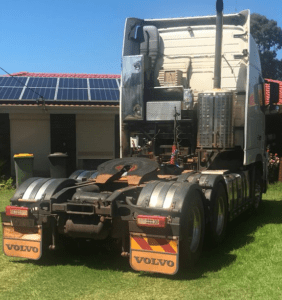
A mechanically capable owner can install an HHO kit, but capability means more than being comfortable with a spanner. You need to understand safe battery isolation, cable routing, fuse placement, intake plumbing and vibration-resistant mounting. A kit that moves around in the engine bay, rubs through a hose or has exposed wiring is not an efficiency upgrade. It is an avoidable headache.
For late-model diesel vehicles, professional installation is often the sensible call. These engines can have tightly packed engine bays, intercooler pipework, sensitive sensors and complex emission-control systems. A good installer will mount the system away from major heat sources, protect wiring in conduit, keep hoses clear of moving parts and check for leaks before the vehicle goes back into service.
The system also requires routine attention. Water level, electrolyte condition, hose integrity and electrical connections should be checked as part of normal vehicle maintenance. This is not a fit-and-forget attitude item. Operators who inspect their equipment tend to get more reliable performance from it.
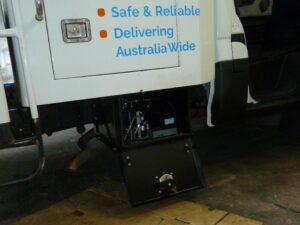
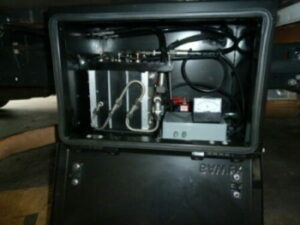
This is the question that separates a useful review from sales noise. Fuel savings are possible when combustion efficiency improves, but no honest review can give one guaranteed figure for every engine in Australia.
A healthy diesel doing regular highway work may respond differently from an older petrol engine in city traffic. Engines with poor servicing, blocked filters, injector problems, boost leaks or carbon-related issues should be repaired first. A hydrogen kit can support combustion, but it cannot compensate for a mechanical fault.
The most reliable way to judge a Gen 20 installation is to establish a baseline before fitment. Record several full tanks or operating cycles, including kilometres travelled, litres used, load carried, route type and idle hours. After installation, continue recording the same data over a comparable period. One tank is not proof. Weather, traffic, fuel quality and driver behaviour can distort a single result.
For generators and fixed machinery, track fuel use per operating hour at a known load. For fleets, compare matched vehicles running similar routes. That is how you move from an opinion to a number that matters to the business.
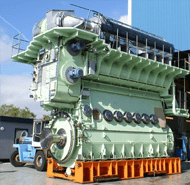


The appeal of hydrogen assistance is not limited to the bowser. More complete combustion can improve throttle response and torque feel, especially when an engine is pulling weight. Diesel owners may also notice a reduction in visible exhaust smoke where poor combustion was contributing to it.
There is a clear trade-off, however. A driver who uses improved throttle response to drive harder may not see the fuel economy result they expected. The system may be helping the engine work more efficiently, but a heavier right foot can spend that gain immediately.
Emissions outcomes also depend on the vehicle, its tune, its maintenance condition and the testing method used. If emissions reduction is a major purchasing reason, ask for relevant test material and assess it against your engine type and operating environment. Documentation carries more weight than broad claims.
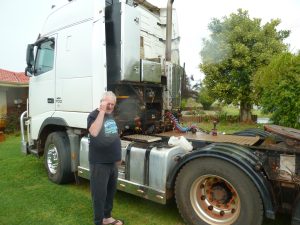
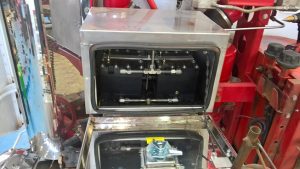
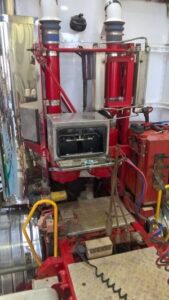
Bigger is not automatically better. An oversized system can add unnecessary cost and installation complexity, while an undersized one may not deliver enough gas output to make a meaningful difference on a hard-working engine. System sizing should reflect engine capacity, fuel type, duty cycle and typical load.
A daily-driven small car with light fuel use may be better suited to a smaller unit. Conversely, a large diesel 4WD that tows, a commercial vehicle or a generator operating for long hours may justify the Gen 20. Before buying, have the engine details ready: make, model, year, engine size, fuel type, typical kilometres or hours, and the work it actually performs.
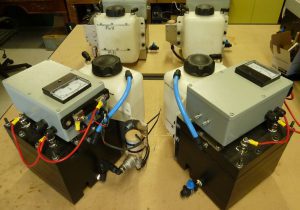


Ask whether the kit is matched to your application, what supporting components are included and what maintenance it requires. Confirm where the unit will be mounted, how the electrical supply will be protected and whether the intake arrangement suits your engine. If your vehicle is under warranty, check the warranty implications with the manufacturer or dealer before modifying it.
Also ask for technical evidence that is relevant to your use case. A result from a fixed generator does not automatically translate to a stop-start delivery van. A highway trucking result may not match a 4WD used mainly for short trips. Good data is specific, repeatable and measured against a clear baseline.
The Gen 20 is worth considering when it is treated as part of a disciplined operating-cost strategy: maintain the engine, size the system correctly, install it properly and measure the outcome. For an operator prepared to do that, it is a practical piece of under-bonnet technology rather than another expensive promise.

by Gavan Knox MSc, BSc, BEd. WhatsApp call +61 403177183 contact gavan@hfuel.com.au https://hydrogenfuelsystems.com.au
Wednesday, July 22, 2026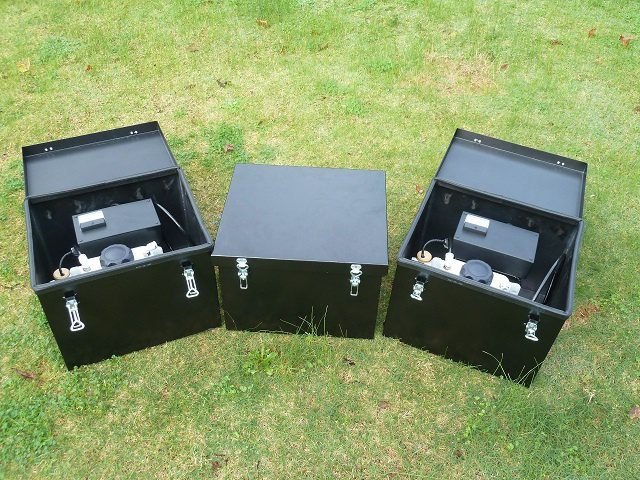
Brilliant Invention Gen 20 Hydrogen Generator ---(update Feb 7... Full Story

by Gavan Knox HFS whats app +61 403177183 gavan@hfuel.com.au... Full Story

Fuel Economy Methodology That Produces Real Numbers - oct... Full Story

Can HHO Improve Towing Economy? Facts That Matter -... Full Story
HHO Versus Additives: What Actually Pays Back? - Oct.... Full Story
Payment Methods Partner:

© 2023 - Hydrogenfuelsystems pty ltd