Brilliant Invention Gen 20 Hydrogen Generator July 2 2026
Brilliant Invention Gen 20 Hydrogen Generator ---(update Feb 7... Full Story
Perth, West Australia




by Gavan Knox MSc, BSc, BEd, Inventor
WhatsApp call +61 403177183
contact gavan@hfuel.com.au
https://hydrogenfuelsystems.com.au
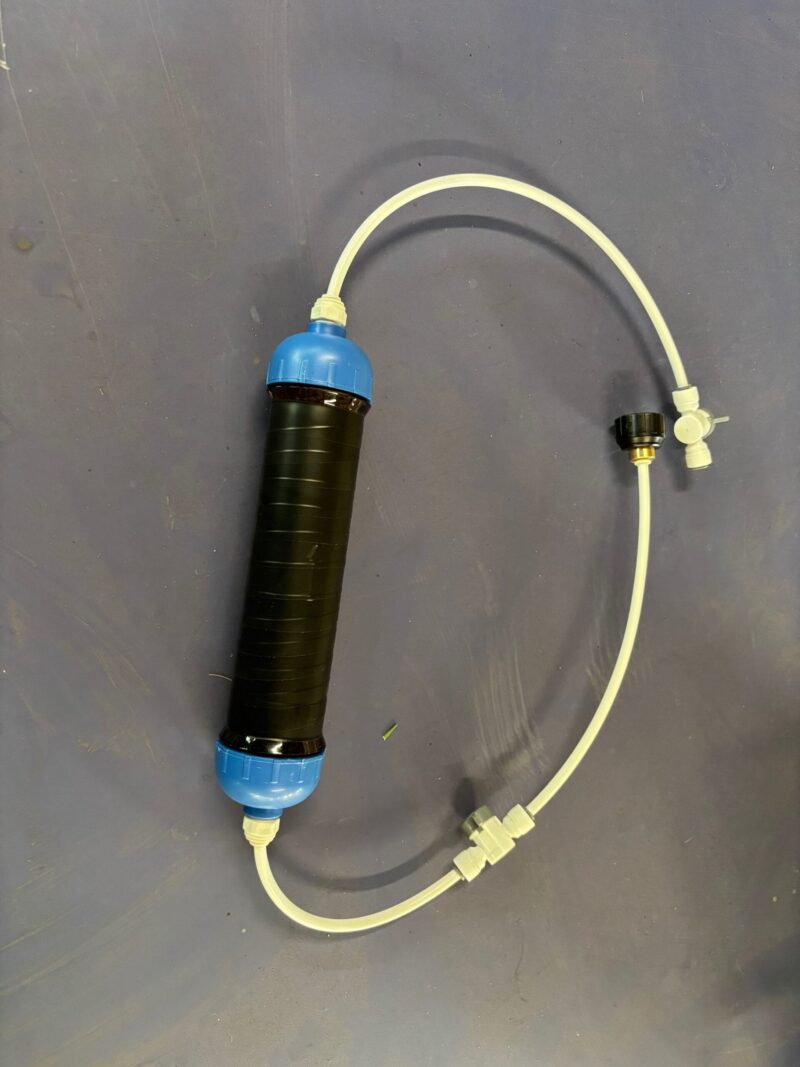
Resin Filter Patented System for Pure Water – Aug 20. A hydrogen generator can only perform as consistently as the water fed into it. A resin filter patented system to produce pure water is not a cosmetic add-on for an HHO installation – it is a practical line of defence against mineral contamination, unstable operation and avoidable cell maintenance.
For owner-drivers, fleet operators, marine users and generator owners, that matters. Poor water quality can leave deposits in the cell, affect electrical behaviour and turn a system designed to support cleaner combustion into another item demanding attention in the workshop. Start with clean water and the rest of the installation has a far better chance of doing its job.
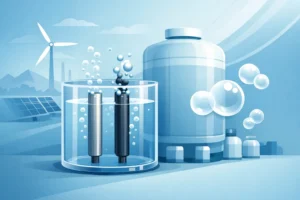
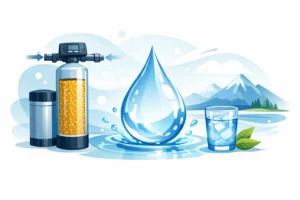
Mains water is rarely just water. Depending on where you fill up, it can contain dissolved calcium, magnesium, iron, sodium, chlorides and other minerals. In a household kettle, those contaminants become scale. In an electrolysis system, they can contribute to residue, corrosion risk and inconsistent conditions inside the cell.
An HHO generator uses electrical energy to split water and produce hydrogen and oxygen gas. The cell is engineered around a specific operating environment, including its prescribed electrolyte mix where applicable. Unwanted contaminants change that environment. They can coat plates, affect conductivity, alter current draw and make maintenance intervals harder to predict.
That is a problem when the vehicle or machine earns its keep. A tradie’s ute, a long-haul diesel, a fishing boat or a site generator does not need vague promises. It needs stable, repeatable operation and parts that are easier to inspect, service and replace before they create downtime.
Pure water does not automatically mean better results if it is used incorrectly. Deionised water has very low conductivity on its own, while many hydrogen generator designs require a measured electrolyte solution to operate correctly. The right approach is simple: use purified feed water, then follow the system’s documented electrolyte and maintenance instructions exactly. Never guess concentrations or substitute chemicals because they are available in the shed.
Resin filtration is commonly used to reduce dissolved ionic contaminants in water. The filter media contains ion-exchange resin beads that attract and exchange charged particles in the incoming water. Depending on the design, the system may use cation resin, anion resin or mixed-bed resin to remove a broader range of dissolved minerals.
In practical terms, the water enters with mineral ions and leaves with substantially fewer of them. The goal is not merely water that looks clear. Clear tap water can still carry dissolved solids that are invisible to the eye but troublesome over time inside electrolysis equipment.
A well-designed filtration setup usually includes pre-filtration where needed, a correctly sized resin vessel or cartridge, controlled flow and a way to monitor when the media has reached capacity. Resin does not last forever. Once its exchange sites are exhausted, it stops delivering the same level of purification. That is why a system must be maintained, not simply fitted and forgotten.
The word patented can be valuable, but it should be assessed properly. A patent may cover a specific arrangement, housing, regeneration method, control process or filtration pathway. It does not mean every resin filter performs identically, nor does it remove the need to check the product documentation. Ask what is patented, which patent applies, what water quality the system is designed to achieve and how filter performance is verified.
The strongest resin filter designs focus on repeatable outcomes rather than clever marketing. For HHO users, the useful measures are feed-water purity, flow rate, resin capacity, service procedure and compatibility with the generator’s requirements.
A capable system should make it easier to control water quality from one refill to the next. That consistency can help reduce mineral build-up in reservoirs, lines and cells. It can also make scheduled servicing more straightforward because you are not dealing with wildly different water sources across jobs, depots or regional routes.
Look for a design that keeps the resin contained securely, avoids channelling through the media and provides a clear replacement or regeneration process. Channelling happens when water finds an easy path through the filter rather than contacting enough resin. The cartridge may look full, yet the water quality can suffer.
For commercial users, capacity matters just as much as purity. A small cartridge may be suitable for occasional top-ups in a passenger vehicle. It may be a poor fit for a fleet workshop, marine operation or site running several generator sets. Oversizing the filtration capacity can cost more upfront, but undersizing it can mean constant consumable changes and inconsistent water when operators are under pressure.
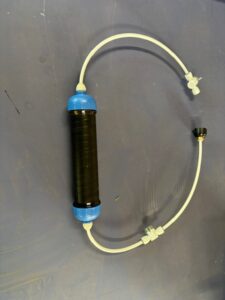
The point of purified water is to protect the entire operating chain. Cleaner feed water can reduce the chance of scale and contaminants entering the HHO reservoir. That supports cleaner internal surfaces, easier inspections and more predictable servicing.
It also helps prevent a common mistake: blaming the generator for issues created upstream. If the water source changes every time the reservoir is topped up, diagnosing current draw, electrolyte concentration, plate condition or gas output becomes harder. Controlled water quality removes one major variable.
This is particularly relevant for vehicles operating in harsh Australian conditions. Dust, heat, vibration and long service intervals already place pressure on equipment. In regional areas, water quality can vary significantly between locations. A dedicated resin-filtered water supply gives operators one less unknown when maintaining their HHO system.
Hydrogen Fuel Systems users should treat water preparation as part of the installation standard, alongside correct wiring, secure hose routing, proper electrical protection and scheduled inspections. The generator kit, power supply and filtration process need to work together. A quality component cannot compensate for poor setup elsewhere.
Before buying a resin filter, work out how much purified water you actually use and where the system will sit. A portable setup can suit a mobile mechanic or owner-driver. A larger workshop-mounted unit may suit a transport business servicing multiple vehicles. Marine users need to consider corrosion resistance, secure mounting and access for cartridge replacement.
Check the incoming water first if possible. Water with heavy sediment, high hardness or unusual contamination may need sediment and carbon pre-filtration before it reaches the resin. Sending dirty water directly into a resin cartridge can shorten its effective life and reduce performance.
Monitoring is worth the small effort. A total dissolved solids meter can provide an indication of dissolved material, while conductivity measurement is often more useful for deionised water applications. Neither replaces the filter manufacturer’s service schedule, but both can help identify when output quality is changing. Keep a simple service record showing cartridge changes, water tests and generator maintenance. For fleets, that record can expose patterns before they become expensive faults.
Do not use a resin filter as an excuse to ignore the rest of the system. Check fluid levels, fittings, electrical connections, fuses, reservoirs and hoses at the intervals specified for the kit. If output, current draw or engine behaviour changes unexpectedly, investigate the full installation rather than assuming the filter alone is responsible.
Fuel and maintenance costs are hard enough to manage without introducing unnecessary contamination into equipment designed for precision. A properly specified resin filter system gives you control over a basic but critical input: water quality.
That control is especially valuable when you want an HHO installation to remain clean, serviceable and dependable across high kilometres, hard work and changing locations. Use purified water, follow the specified electrolyte procedure, monitor the filter media and keep records. It is a straightforward discipline that helps protect the investment you have already made in the vehicle or machine.
by Gavan Knox MSc, BSc, BEd.
WhatsApp call +61 403177183
contact gavan@hfuel.com.au
https://hydrogenfuelsystems.com.au
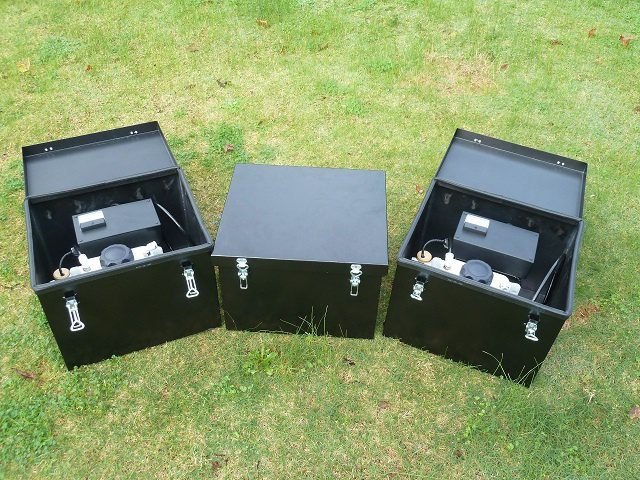
Brilliant Invention Gen 20 Hydrogen Generator ---(update Feb 7... Full Story

by Gavan Knox HFS whats app +61 403177183 gavan@hfuel.com.au... Full Story
Hydrogen Cell Reviews for Real Engine Results - Oct... Full Story
Best Marine Fuel Upgrades for Working Boats - Oct... Full Story
How 24V-to-13.8V Buck Configuration Regulators Affect HHO generation in... Full Story
Payment Methods Partner:

© 2023 - Hydrogenfuelsystems pty ltd