Brilliant Invention Gen 20 Hydrogen Generator July 2 2026
Brilliant Invention Gen 20 Hydrogen Generator ---(update Feb 7... Full Story
Perth, West Australia




by Gavan Knox MSc, BSc, BEd, Inventor
WhatsApp call +61 403177183
contact gavan@hfuel.com.au
https://hydrogenfuelsystems.com.au
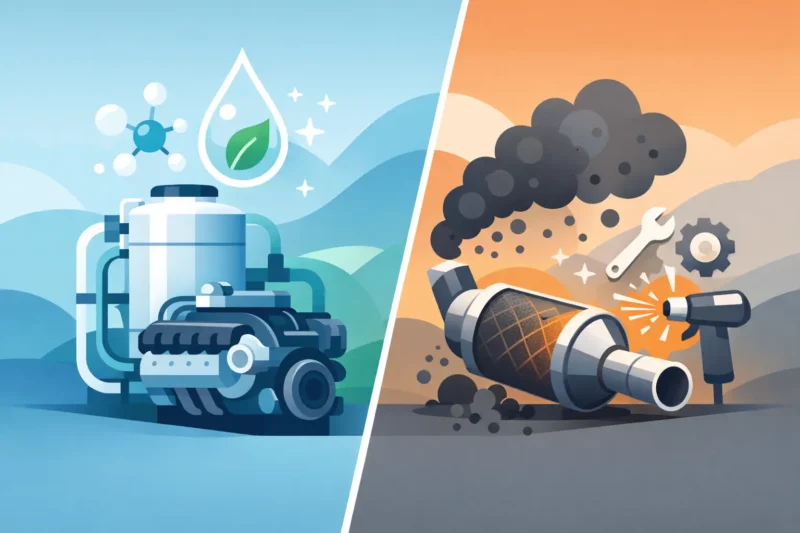
Hydrogen Enhancement Versus DPF Cleaning. A warning light, flat response under load and rising fuel use can send diesel owners straight to one question: hydrogen enhancement versus DPF cleaning – which one fixes the problem? The honest answer is that they do different jobs. A DPF cleaning service targets an exhaust filter that is already restricted. Hydrogen enhancement is aimed at supporting cleaner combustion upstream, where soot begins.
Confuse the two and you can waste money. Treat them as part of a sensible diesel maintenance plan and you can make a better call for your ute, 4WD, truck, machinery, generator or marine engine.
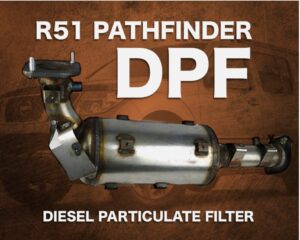

The diesel particulate filter captures soot in the exhaust before it leaves the tailpipe. That is its job. Over time, the filter fills with particulate matter and must regenerate, using exhaust heat to burn much of that soot away.
Regeneration works best when the engine reaches operating temperature and spends enough time under steady load. That suits a highway truck, a work vehicle doing regional runs or machinery working hard for hours. It does not suit a diesel that spends its life on short suburban trips, idling at sites, crawling through traffic or making repeated stop-start deliveries.
When regeneration cannot complete, soot loading climbs. The engine management system may request an active regeneration, turn on a warning light, limit power or log fault codes. If the issue is ignored, the restriction can become serious enough to affect fuel consumption, turbo response and drivability.
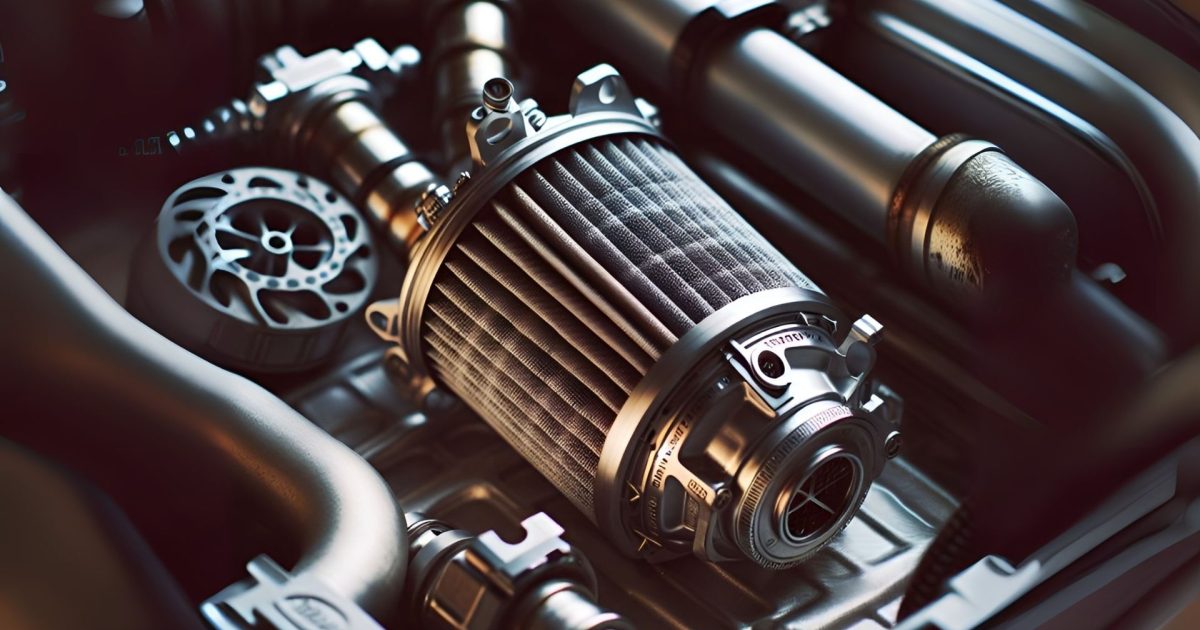
There is another complication. A DPF collects soot, but it also accumulates ash from engine oil additives and normal long-term operation. Regeneration can burn soot. It cannot burn ash. That distinction matters when deciding whether a filter needs a forced regeneration, off-vehicle professional cleaning or replacement.
DPF cleaning is corrective maintenance. Depending on the condition of the vehicle, it may involve a workshop regeneration, chemical treatment or removal of the filter for specialist cleaning and flow testing. A proper service starts with diagnosis, not a can of cleaner and a hopeful guess.
A capable technician should check fault codes, pressure sensor readings, exhaust temperature sensors, injector performance, turbo operation, EGR condition and the engine’s ability to reach temperature. A cracked pressure hose or failed sensor can mimic a blocked DPF. An injector fault can overload a freshly cleaned filter with soot again in short order.
Cleaning is the right move when the DPF is genuinely loaded or ash-restricted and the root cause has been identified. It can restore exhaust flow and prevent the far higher cost of a replacement filter. For a vehicle already in reduced-power mode, it is often the immediate priority.

But cleaning does not change how the engine produces soot tomorrow. If the vehicle’s duty cycle, combustion quality or maintenance issues remain unchanged, the same filter can be back under pressure. That is why a one-off clean is not always a complete operating-cost strategy.
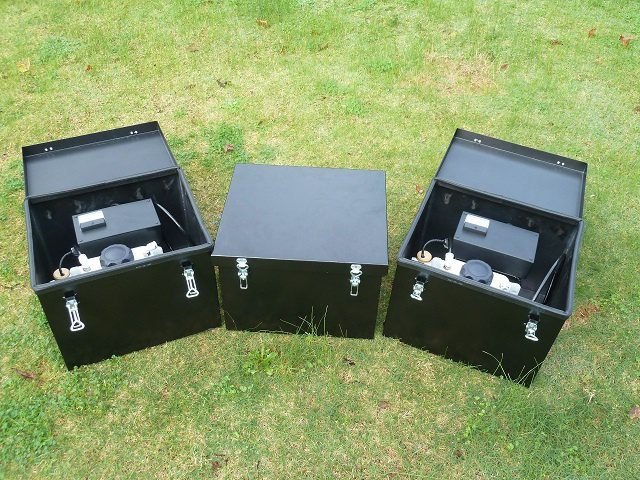
Hydrogen enhancement is not a DPF cleaning method and should never be sold as one. An on-board hydrogen generator system introduces a small hydrogen and oxygen gas supply into the engine intake to support combustion. The purpose is to improve combustion efficiency, not to physically wash ash from a filter or repair a failed exhaust component.
The practical theory is straightforward. More complete combustion can reduce the amount of unburnt material entering the exhaust stream. Where a system is correctly sized, correctly installed and suited to the application, owners may pursue lower fuel use, sharper response and a cleaner combustion event. Any result will depend on engine condition, load profile, driving style, calibration and installation quality.
That makes hydrogen enhancement a preventative and performance-focused measure. DPF cleaning is a repair and maintenance process. One works at the combustion stage; the other deals with the result of soot and ash already captured downstream.
For fleet operators, this difference is commercial. Waiting until every vehicle has a DPF warning light means dealing with unscheduled downtime, workshop bookings and lost productivity. Reducing soot production and maintaining a healthy engine can help support a more controlled maintenance program, but it does not remove the need to monitor DPF condition or service the vehicle correctly.
If your diesel has a DPF warning, fault codes, high calculated soot load, repeated failed regenerations or reduced power, diagnose that fault first. Do not fit an enhancement system as a substitute for repairing an existing emissions or engine problem.
The same applies where there is excessive oil consumption, a coolant leak, a damaged turbo, poor injector balance, a failed thermostat or an EGR fault. These faults can drive soot production or contaminate the exhaust system. Installing any performance product before correcting them is the wrong order of work.
A vehicle with a severely ash-loaded DPF may still need professional off-vehicle cleaning even if combustion is improved later. Ash is a hard limit. No intake-based system can burn it out.
Hydrogen enhancement deserves consideration when the engine is mechanically sound and the operator wants to attack ongoing fuel and combustion costs. It is particularly relevant to high-use applications where small changes in efficiency have time to add up: long-distance trucks, trade utes, 4WD touring vehicles, generators, marine engines and working machinery.
The strongest business case is not built on a single tank of fuel. It is built on measured baseline data. Track litres per 100 km, hours worked, litres per hour, load, route type, idle time and maintenance events before installation. Then compare like for like after installation. A truck hauling a different load into a headwind is not a useful test.
For a diesel fleet, look beyond fuel alone. Record regeneration frequency, DPF-related faults, service intervals and driver reports. These figures show whether an investment is helping the operation, rather than simply producing a good story.
Hydrogen Fuel Systems supplies application-sized hydrogen generator kits and technical documentation for vehicles and equipment where owners want a practical combustion-efficiency upgrade. Correct sizing, safe wiring, intake placement and maintenance matter. A rushed installation is not a performance strategy.
The best answer depends on what the vehicle is telling you. If the DPF is restricted today, book diagnosis and cleaning where required. If the vehicle is healthy but fuel costs are punishing margins, assess hydrogen enhancement as an operational upgrade. If both statements are true, restore the engine and exhaust system first, then consider measures designed to support cleaner ongoing combustion.
Do not delete or tamper with emissions equipment. Apart from being a poor engineering decision, it can create compliance, insurance and resale problems in Australia. Keep the system legal, maintain it properly and use data rather than guesses.
A clean DPF is valuable, but it is only one part of a healthy diesel. Use the correct low-ash oil, service injectors and intake components on schedule, allow suitable operating conditions for regeneration and investigate warning lights early. Operators with short-trip duty cycles should be especially disciplined, because their vehicles have less opportunity to regenerate naturally.
Hydrogen enhancement versus DPF cleaning is not an either-or argument when managed properly. Clean the restriction when it exists. Then focus on the combustion quality, operating habits and maintenance discipline that help keep soot from becoming the next expensive interruption.
by Gavan Knox MSc, BSc, BEd, Inventor
WhatsApp call +61 403177183
contact gavan@hfuel.com.au
https://hydrogenfuelsystems.com.au
Brilliant Invention Gen 20 Hydrogen Generator ---(update Feb 7... Full Story

by Gavan Knox HFS whats app +61 403177183 gavan@hfuel.com.au... Full Story

Fuel Economy Methodology That Produces Real Numbers - oct... Full Story

Can HHO Improve Towing Economy? Facts That Matter -... Full Story
HHO Versus Additives: What Actually Pays Back? - Oct.... Full Story
Payment Methods Partner:

© 2023 - Hydrogenfuelsystems pty ltd