Brilliant Invention Gen 20 Hydrogen Generator July 2 2026
Brilliant Invention Gen 20 Hydrogen Generator ---(update Feb 7... Full Story
Perth, West Australia




by Gavan Knox MSc, BSc, BEd, Inventor
WhatsApp call +61 403177183
contact gavan@hfuel.com.au
https://hydrogenfuelsystems.com.au
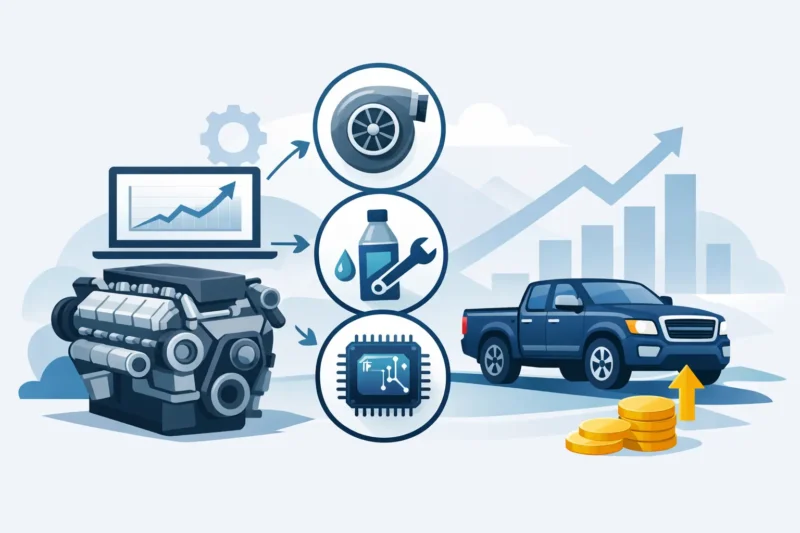
Diesel Tuning Upgrade Alternatives That Pay Off. Diesel Tuning Upgrade Alternatives That Pay Off. A diesel that is thirsty under load, slow off the mark or constantly working hard can cost far more than it should. That is why drivers look beyond a standard remap and start comparing diesel tuning upgrade alternatives that can improve usable performance without creating a maintenance headache down the track.
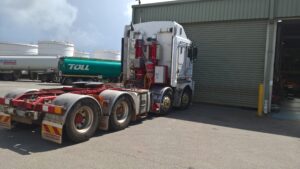
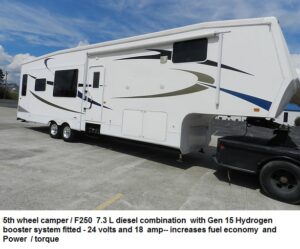



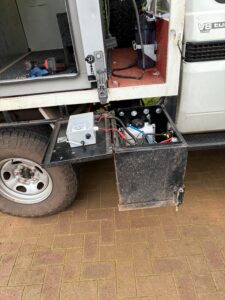
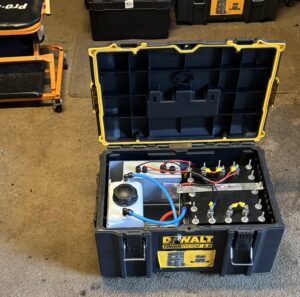
For a tradie in a loaded ute, an owner-driver hauling freight, or a station operator running pumps and generators, the right upgrade is not the one with the biggest advertised power figure. It is the one that improves the way the engine performs in its actual working range, while keeping fuel, heat, reliability and operating costs under control.

ECU remapping and plug-in diesel chips are the familiar choices. They can alter fuel delivery, boost targets, torque limits and throttle response. On the right vehicle, with a conservative calibration and proper supporting maintenance, they can make a noticeable difference to drivability.
But more fuel and boost are not automatically the answer. A hard-working diesel already has limits around exhaust gas temperature, turbocharger speed, transmission torque capacity and cooling performance. Push calibration too far and the short-term feeling of extra pull can come with greater stress, more soot, higher fuel use when driven hard, or expensive failures that wipe out any saving.
That is why it pays to look at alternatives based on combustion efficiency rather than simply commanding the engine to inject more diesel. The main options are better air management, exhaust and intake improvements, fuel-system maintenance, driving and load changes, and on-board hydrogen enhancement.
A remap changes the software within the engine control unit. A tuning chip generally intercepts sensor signals to influence the ECU’s response. Both can sharpen throttle response and add torque, particularly in the mid-range where towing and overtaking happen.
The trade-off is calibration quality. A generic tune that is sold as suitable for every vehicle can ignore how a particular engine is used. A 4WD that occasionally tows a camper has different needs from a delivery truck, a boat engine or a diesel generator operating for hours at steady load.
Before fitting any tune, confirm whether it affects warranty, insurance, emissions compliance and the vehicle’s legal status. Ask what is changed, how exhaust temperatures are managed, and whether the tune can be returned to standard. If the answer is vague, walk away.
Improving airflow can support a diesel engine, especially where intake restrictions, heat soak or a factory exhaust bottleneck are genuinely holding it back. A quality intercooler may reduce intake air temperatures under sustained load. A correctly designed exhaust can reduce restriction after the turbocharger.
These upgrades are not magic on their own. An oversized exhaust will not repair a blocked air filter, worn injectors or a leaking intercooler hose. Nor does a loud exhaust equal efficient combustion. The best result comes when airflow changes are matched to the engine’s workload and fitted without compromising sensors, emissions equipment or water protection on a 4WD.
This is the least glamorous option and often the smartest first move. Diesels lose efficiency when filters are restricted, injectors are dirty or worn, boost hoses leak, sensors drift out of range, or the EGR and intake system are loaded with carbon.
Start with a proper inspection. Check fault codes, air filtration, fuel filtration, injector balance where applicable, turbo plumbing, intercooler condition and exhaust leaks. For a fleet, track litres per 100 kilometres, idle time, payload and service history before spending money on modifications. You cannot measure an improvement if you never established the baseline.
A well-maintained standard diesel can outperform a modified but neglected one every day of the week.
On-board hydrogen systems, often called HHO kits or hydrogen generator kits, take a different approach. Rather than asking the ECU to pour in extra fuel, the system produces a controlled hydrogen and oxygen gas supply from the vehicle’s electrical system and introduces it into the engine’s intake stream.
The aim is cleaner, more complete combustion of the primary fuel charge. For diesel operators, that can mean a more responsive engine under load, reduced smoke in suitable applications and an opportunity to lower fuel consumption when the system is correctly sized, installed and maintained.
This is where system design matters. A small passenger car, a heavy ute, a marine engine and a 24-hour generator do not have the same airflow, electrical capacity or fuel burn. The generator cell, power supply, wiring protection, gas conditioning and installation method need to suit the application. A one-size-fits-all kit is not a serious answer for commercial equipment.
Hydrogen Fuel Systems supplies application-focused hydrogen generator kits across Australia, with system sizes designed around different engine and operating demands. The practical advantage is that the upgrade targets combustion quality while leaving the vehicle’s core ECU strategy intact. It can also be paired with sensible maintenance and, where appropriate, a mild tune rather than an aggressive power-first calibration.
The decision starts with your operating pattern. If the vehicle spends most of its life unloaded on suburban roads, sharper throttle response may be your priority. If it tows machinery through hot conditions, temperature control and torque delivery matter more. If it is a fleet vehicle, generator or marine engine burning fuel for long hours, the numbers around consumption and downtime should drive the decision.
Do not buy on promises alone. Request evidence that relates to the type of engine and work you do. Look for installation documentation, test data, electrical specifications and clear instructions on servicing. A supplier should be able to explain what the upgrade does, what it does not do, and how results should be measured.
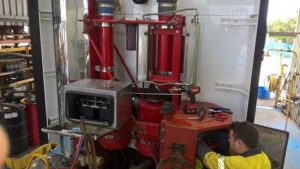
For hydrogen enhancement, assess the system as a complete installation. Proper fused wiring, secure mounting, hose routing, suitable water supply arrangements and safe gas management are not optional extras. Poor installation can undermine a good product. The same applies to tuning – a reputable provider will inspect the vehicle’s health before altering its calibration.
It also pays to be realistic about fuel savings. No upgrade can overcome constant idling, overloaded trailers, under-inflated tyres, bad driving habits or an engine with unresolved mechanical faults. Results vary with vehicle condition, terrain, payload, speed, fuel quality and driver behaviour. The right supplier will tell you that upfront instead of promising the same percentage to every buyer.
The strongest approach is often not choosing one modification in isolation. Begin with maintenance, fix the restrictions and leaks that are already costing fuel, then select an upgrade that matches your engine’s workload. A conservative tune may suit some vehicles. Airflow improvements may be justified for others. Hydrogen enhancement can be a compelling option where operators want to focus on fuel efficiency, cleaner combustion and usable performance without chasing headline dyno numbers.
For a working diesel, the real test is simple: does it reduce the cost of getting the job done? Record your fuel use over comparable routes, loads and hours. Monitor engine behaviour, service requirements and driver feedback. Make the decision with evidence, not pub talk.
Choose the upgrade that protects the engine while it earns its keep. That is where genuine savings start.
by Gavan Knox MSc, BSc, BEd, Inventor
WhatsApp call +61 403177183
contact gavan@hfuel.com.au
https://hydrogenfuelsystems.com.au
Brilliant Invention Gen 20 Hydrogen Generator ---(update Feb 7... Full Story

by Gavan Knox HFS whats app +61 403177183 gavan@hfuel.com.au... Full Story

Fuel Economy Methodology That Produces Real Numbers - oct... Full Story

Can HHO Improve Towing Economy? Facts That Matter -... Full Story
HHO Versus Additives: What Actually Pays Back? - Oct.... Full Story
Payment Methods Partner:

© 2023 - Hydrogenfuelsystems pty ltd