Brilliant Invention Gen 20 Hydrogen Generator July 2 2026
Brilliant Invention Gen 20 Hydrogen Generator ---(update Feb 7... Full Story
Perth, West Australia




by Gavan Knox MSc, BSc, BEd, Inventor
WhatsApp call +61 403177183
contact gavan@hfuel.com.au
https://hydrogenfuelsystems.com.au
Fishing Boat Fuel Savings That Hold Up at Sea – Sept 5. A few extra litres an hour might not look serious while the boat is tied up at the ramp. Over a season of steaming to grounds, trolling, hauling gear and running home into a chop, it becomes a direct hit on profit. Real fishing boat fuel savings come from reducing engine load and wasted combustion without compromising the reliability that keeps a crew safe offshore.
For commercial operators, charter boats and serious recreational fishers, the goal is not simply to make an engine use less fuel on paper. It is to burn fewer litres per nautical mile while carrying the same load, maintaining useful cruise speed and keeping the engine inside its correct operating range.
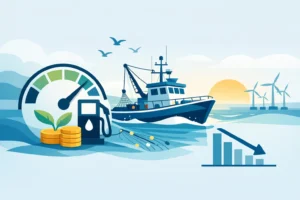
Before changing hardware or operating habits, establish a baseline. Many skippers know roughly what they spend at the bowser but cannot say whether the boat uses 1.8, 2.3 or 3.1 litres per nautical mile on a typical run. That missing number makes every claimed improvement impossible to verify.
Log engine hours, litres filled, distance travelled, average cruise speed, load carried, sea state and the type of work performed. A run with ice, bait, pots and four deckhands cannot be compared fairly with a light-water test on a calm morning. Use several comparable trips, then calculate litres per hour and litres per nautical mile.
Litres per hour matter when trolling, drifting under auxiliary power or working gear. Litres per nautical mile matter most during the long steam to the grounds. Both figures reveal where the fuel is going.
Pushing the throttle for the last few knots is often the most expensive part of a trip. Hull resistance rises rapidly as speed increases, particularly when a loaded vessel is trying to climb onto the plane or is operating just below it. A small speed reduction can cut fuel use substantially if it allows the engine to settle into a more efficient load range.
That does not mean every boat should travel slowly. Weather windows, bar crossings, market deadlines and charter schedules all matter. The practical move is to identify the boat’s best cruise setting in calm water and then adjust for conditions, rather than treating full throttle as the default answer.
A propeller is not a fit-and-forget item. It is the final drive between the engine and the water, and the wrong pitch, diameter or blade condition can make a sound engine drink fuel all day.
At wide-open throttle, a correctly propped engine should reach the manufacturer’s recommended RPM range with the boat in its normal working trim and load. If it cannot reach that range, it may be over-propped. The engine is lugging under excessive load, which can increase fuel consumption, raise exhaust temperatures and place unnecessary stress on diesel components. If RPM runs beyond the recommended range, the propeller may be too light and the engine may be over-revving.
A prop shop or qualified marine technician can assess the current setup, but give them honest operating details. A propeller chosen for a lightly loaded weekend run may be wrong for a workboat carrying a full ice box, dive gear, pots or a heavy fuel load.
Also inspect the simple stuff. Bent blades, damaged edges, fouling and a rough propeller surface create drag. So does marine growth on the hull, transducer brackets sitting in turbulent water, or gear mounted where it disrupts flow. A clean hull and correctly maintained running gear are not cosmetic jobs – they are fuel-saving maintenance.
An engine with restricted air intake, contaminated fuel, poor injector performance or a cooling issue will not deliver its best economy. It may still start, idle and get the boat home, but it is not necessarily burning fuel efficiently under load.
On diesel engines, pay close attention to fuel filtration and water contamination. Restricted filters make the fuel system work harder and can contribute to poor running when demand rises. Check air filters and intake ducting, inspect charge-air plumbing on turbocharged engines, and make sure exhaust restrictions or damaged hoses are not choking performance.
Cooling is equally important. An engine that is not reaching normal operating temperature can run inefficiently. One that runs too hot faces a more serious problem. Heat exchangers, raw-water strainers, impellers and coolant systems need regular inspection according to the engine manufacturer’s service schedule.
Injector testing can be worthwhile when fuel use climbs, smoke increases, idle quality changes or the engine feels flat under load. Do not guess at expensive repairs. Record symptoms, scan electronic engines for fault codes where applicable, and use a marine diesel specialist who can test rather than simply replace parts.
Weight distribution changes how a boat rides and how much throttle it needs. Too much weight aft can make the stern squat. Too much bow weight can keep the hull from reaching an efficient running attitude. On a trailer boat, moving an esky, spare fuel, batteries or deck equipment can be enough to change the result.
Trim tabs and engine trim can help, but only when used deliberately. Trim the boat to get onto the plane, then ease into the setting that delivers the desired speed at the lowest stable throttle. In rough water, chasing perfect economy can make the ride unsafe or uncomfortable, so use common sense. The best fuel figure is worthless if the crew is getting belted or the hull is taking unnecessary punishment.
Avoid carrying gear that has no purpose on that trip. Extra weight costs fuel every nautical mile, especially on smaller boats. Safety equipment is non-negotiable; duplicate tools, old ropes, unused dive gear and unnecessary water containers are not always needed.
Once the hull, propeller and engine are operating properly, combustion enhancement can be considered as part of a complete fuel-reduction plan. An on-board hydrogen generator, commonly called an HHO system, introduces a controlled hydrogen and oxygen gas mixture into the engine intake to support more complete combustion.
For high-use petrol and diesel marine engines, the attraction is straightforward: reduce wasted fuel energy, support cleaner combustion and maintain stronger engine response under working load. Results depend on engine size, duty cycle, existing mechanical condition, installation quality and how the vessel is operated. A system is not a substitute for injector repairs, a fouled hull or the wrong propeller.
Hydrogen Fuel Systems supplies marine-capable HHO kit options designed around engine application and output requirements. Correct sizing matters. An undersized unit will not suit a hard-working larger diesel, while poor wiring, incorrect plumbing or weak electrical connections can create reliability issues no boat owner needs offshore.
Marine installation should be treated as a technical job, not a quick shed experiment. Use suitable marine-grade wiring practices, protect connections from moisture and vibration, secure all components properly, and ensure the system is fitted in accordance with its instructions. If the vessel has warranty obligations, survey requirements or commercial compliance considerations, check those first.
The right way to measure the outcome is with the same trip data used for the baseline. Compare similar routes, loads, weather and engine settings over enough operating hours to remove the effect of a single calm day or favourable current. Measured litres per nautical mile beat guesswork every time.
Fuel economy is also an operating discipline. Rapid throttle changes, unnecessary idling, extended high-RPM running and poor route planning all add litres without adding value. A skipper who reads conditions, sets a repeatable cruise RPM and avoids fighting the hull will normally beat a heavy-footed operator in the same boat.
Plan the run before leaving the ramp. Check wind, tide and swell direction. Where practical, time longer passages to avoid forcing the boat into the worst of the chop, and choose a route that reduces repeated acceleration and course corrections. For commercial operators, make fuel figures part of the normal trip sheet, not an afterthought at the end of the month.
The boat that saves fuel consistently is not usually the one with a single miracle modification. It is the one with a clean bottom, a matched propeller, a healthy engine, sensible trim and verified operating data. Get those foundations right, then measure every improvement against the only figure that matters: fewer litres burned to get the job done.
by Gavan Knox MSc, BSc, BEd, Inventor
WhatsApp call +61 403177183
contact gavan@hfuel.com.au
https://hydrogenfuelsystems.com.au
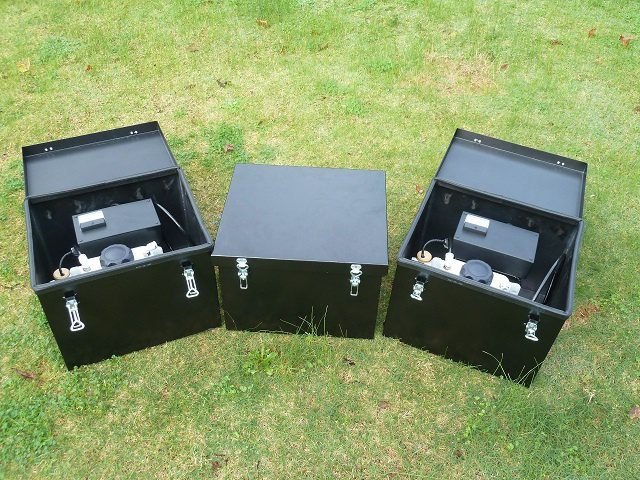
Brilliant Invention Gen 20 Hydrogen Generator ---(update Feb 7... Full Story

by Gavan Knox HFS whats app +61 403177183 gavan@hfuel.com.au... Full Story

Fuel Economy Methodology That Produces Real Numbers - oct... Full Story

Can HHO Improve Towing Economy? Facts That Matter -... Full Story
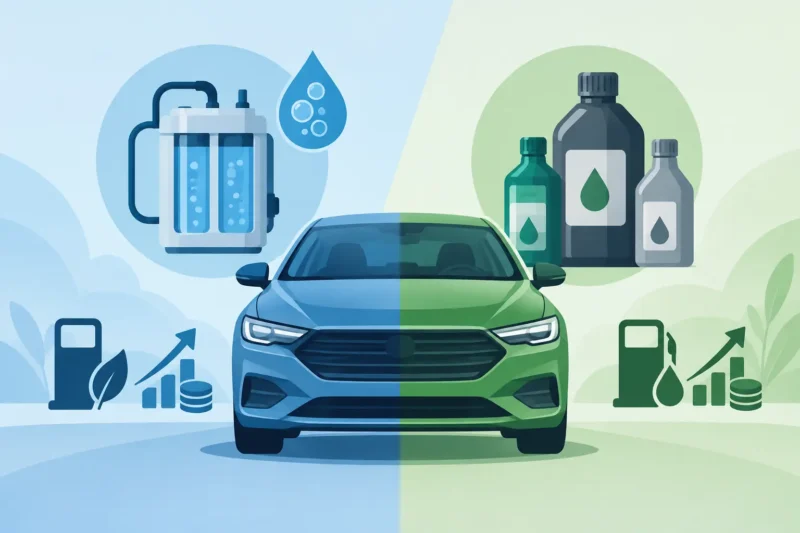
HHO Versus Additives: What Actually Pays Back? - Oct.... Full Story
Payment Methods Partner:

© 2023 - Hydrogenfuelsystems pty ltd