Brilliant Invention Gen 20 Hydrogen Generator July 2 2026
Brilliant Invention Gen 20 Hydrogen Generator ---(update Feb 7... Full Story
Perth, West Australia




by Gavan Knox MSc, BSc, BEd, Inventor
WhatsApp call +61 403177183
contact gavan@hfuel.com.au
https://hydrogenfuelsystems.com.au
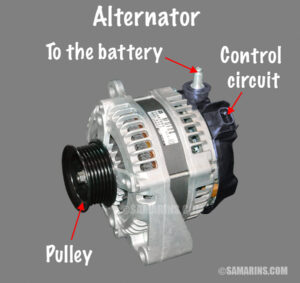
Can HHO Damage Alternators? The Real Answer – sept 14. A properly specified and correctly installed HHO system should not damage a healthy alternator. But can HHO damage alternators when the system is oversized, badly wired or fitted to a charging system already operating at its limit? Absolutely. The alternator does not care whether a load comes from an HHO generator, driving lights, a fridge, a winch or an aftermarket sound system. It only sees electrical demand.
That is the straight answer vehicle owners, fleet operators and machinery users need before fitting any hydrogen enhancement system. HHO equipment draws current to produce gas. If the electrical side of the installation is treated as an afterthought, the alternator, battery, wiring and connectors can all pay the price. Get the system size, wiring protection and operating setup right, and the load is manageable. Get it wrong, and you can shorten component life or create a fault that stops a vehicle when it is needed most.
In normal use, a correctly matched HHO kit is an additional electrical load, not an automatic alternator killer. Modern alternators are designed to support the vehicle’s factory systems while recharging the battery. Many working vehicles also run accessories such as UHF radios, work lights, dash cameras, electric brakes and refrigeration without immediate trouble.
The key issue is total demand. An alternator has a rated output, but it does not produce its maximum output at every engine speed. At idle, output is often significantly lower than its headline rating. Heat also reduces efficiency. A 4WD crawling off-road at low revs with headlights, air-conditioning, a fridge and an HHO system operating may be much closer to its electrical limit than the same vehicle cruising down the highway.
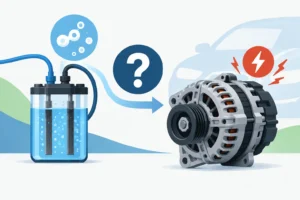
This is why the right question is not simply, ‘Will HHO hurt my alternator?’ It is: ‘Does my vehicle have enough charging capacity for this HHO system and the accessories I actually use?’ That answer depends on the alternator, battery condition, cable sizing, duty cycle and generator size.
Alternators usually fail because they are overworked, overheated, contaminated, poorly connected or already worn out. An HHO installation can contribute to those conditions if it is poorly designed. It is rarely the mere presence of an HHO generator that creates the problem.
Larger HHO systems produce more gas, but they also require more electrical current. Fitting the biggest possible unit without matching it to the engine and charging system is not smart performance tuning. It is unnecessary electrical load.
A small passenger vehicle, a high-output diesel ute, a prime mover and a stationary generator do not share the same electrical capacity or hydrogen requirement. System sizing must be application-specific. The best installation is not the one that pulls the most amps. It is the one that delivers an appropriate, controlled output without compromising the vehicle’s charging reserve.
Undersized cable, loose terminals, poor crimping and corroded earth points create resistance. Resistance turns electrical energy into heat. That heat can melt insulation, damage plugs, cause voltage drop and force the alternator to work harder trying to maintain system voltage.
A system can look fine under the bonnet yet still have a voltage-drop problem hidden in a weak connection. This is particularly common on vehicles that spend time around salt air, dust, vibration, water crossings or rough tracks. Marine applications and hard-working 4WDs need extra attention to cable protection and terminal condition.
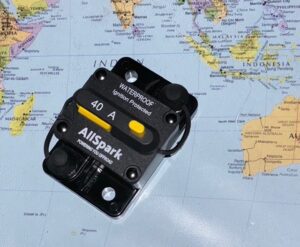
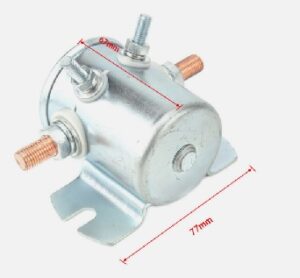
The HHO generator circuit must be properly fused and switched through a suitable relay or controller arrangement. Direct, unfused wiring from the battery is asking for trouble. A fuse or suitable circuit breaker protects the cable in the event of a fault. A relay ensures the system operates as intended with the ignition cycle rather than continuing to drain the battery after shutdown.
Do not treat these parts as optional extras. Correct power supply components are part of a reliable installation, not a cosmetic add-on.
An HHO kit may expose a problem that was already there. A tired battery, slipping belt, failing regulator, poor engine earth or alternator with worn brushes might cope with factory loads for a while. Add another continuous load, and the voltage issue becomes obvious.
That does not mean the HHO system caused the original fault. It means the charging system had no reserve left. Before installation, test the battery and alternator rather than guessing from whether the engine still starts in the morning.
A basic voltage reading is useful, but it is not the whole test. With the engine off, a fully charged conventional 12-volt battery will commonly read around 12.6 volts. With the engine running, many conventional charging systems will generally show a higher charging voltage. Exact figures vary by vehicle, temperature and battery type, especially on late-model vehicles with smart alternators.
The more meaningful test is voltage under load. Start the engine, then switch on normal operating loads such as headlights, blower fan, air-conditioning and other accessories. Add the HHO system once it is installed. Check whether system voltage remains stable and whether warning lights appear. A clamp meter is even better because it shows actual current draw rather than leaving you to guess.
For a working vehicle, test it at idle and at typical cruise revs. Idle is where marginal systems are exposed. If voltage falls away at idle but recovers at higher revs, you may need to review the alternator capacity, accessory use or HHO system size. Continually relying on the battery to carry the shortfall will eventually flatten it and place more demand on the alternator during every recharge cycle.
Late-model vehicles need particular care. Smart charging systems can vary voltage deliberately based on battery state, temperature and engine management strategy. Do not diagnose these vehicles using a one-size-fits-all voltage rule. Use the manufacturer’s charging specifications and fit the HHO power system in a way that respects the vehicle’s electrical architecture.
A professional-grade HHO installation starts with load management. Use a generator size appropriate to the engine and intended duty, then use quality cable sized for the expected current and route it away from sharp edges, exhaust heat and moving parts.
The power circuit should have a correctly rated fuse close to the battery, a suitable relay or controlled switching method, secure weather-resistant terminals and a clean earth point. The earth cable deserves the same attention as the positive cable. A poor earth can create unstable operation, heat and misleading performance issues.
Mount the generator securely. Vibration can fatigue brackets, crack fittings and loosen electrical connections over time. Keep the unit accessible enough for regular inspection, fluid servicing where applicable and filter checks. An installation that cannot be inspected will eventually become an installation that is neglected.
On high-use commercial vehicles, add HHO system checks to scheduled maintenance. Look for discoloured connectors, loose terminals, damaged loom protection, abnormal belt noise and signs of battery stress. A quick inspection can prevent a small wiring issue becoming a costly roadside failure.
Watch for dimming lights at idle, repeated low-voltage warnings, slow cranking, hot cable terminals, a battery that needs frequent charging or an alternator that becomes unusually noisy. You may also notice that the HHO system output is inconsistent. That is not a reason to simply increase current. It is a reason to inspect the electrical supply.
If the alternator warning light comes on, stop treating it as a minor inconvenience. Reduce accessory load where safe, test the system and fix the fault. Continuing to operate with low charging voltage can damage the battery and leave you stranded, whether you are hauling equipment across Australia, running a generator at a site or heading away for the weekend.

HHO can add a continuous load to the charging system, but a properly selected and protected installation does not need to damage the alternator. Match the generator to the engine, verify charging capacity before fitment, use proper fusing and cable, and inspect the system like any other serious vehicle accessory.
Fuel savings and engine performance gains only matter when the vehicle remains reliable. Build the HHO system around the vehicle’s real electrical capacity, not assumptions, and you protect the alternator while giving the installation the best chance to perform where it counts – on the road, at work and over the long haul.
by Gavan Knox MSc, BSc, BEd, Inventor
WhatsApp call +61 403177183
contact gavan@hfuel.com.au
https://hydrogenfuelsystems.com.au
Brilliant Invention Gen 20 Hydrogen Generator ---(update Feb 7... Full Story

by Gavan Knox HFS whats app +61 403177183 gavan@hfuel.com.au... Full Story

Fuel Economy Methodology That Produces Real Numbers - oct... Full Story

Can HHO Improve Towing Economy? Facts That Matter -... Full Story

HHO Versus Additives: What Actually Pays Back? - Oct.... Full Story
Payment Methods Partner:

© 2023 - Hydrogenfuelsystems pty ltd