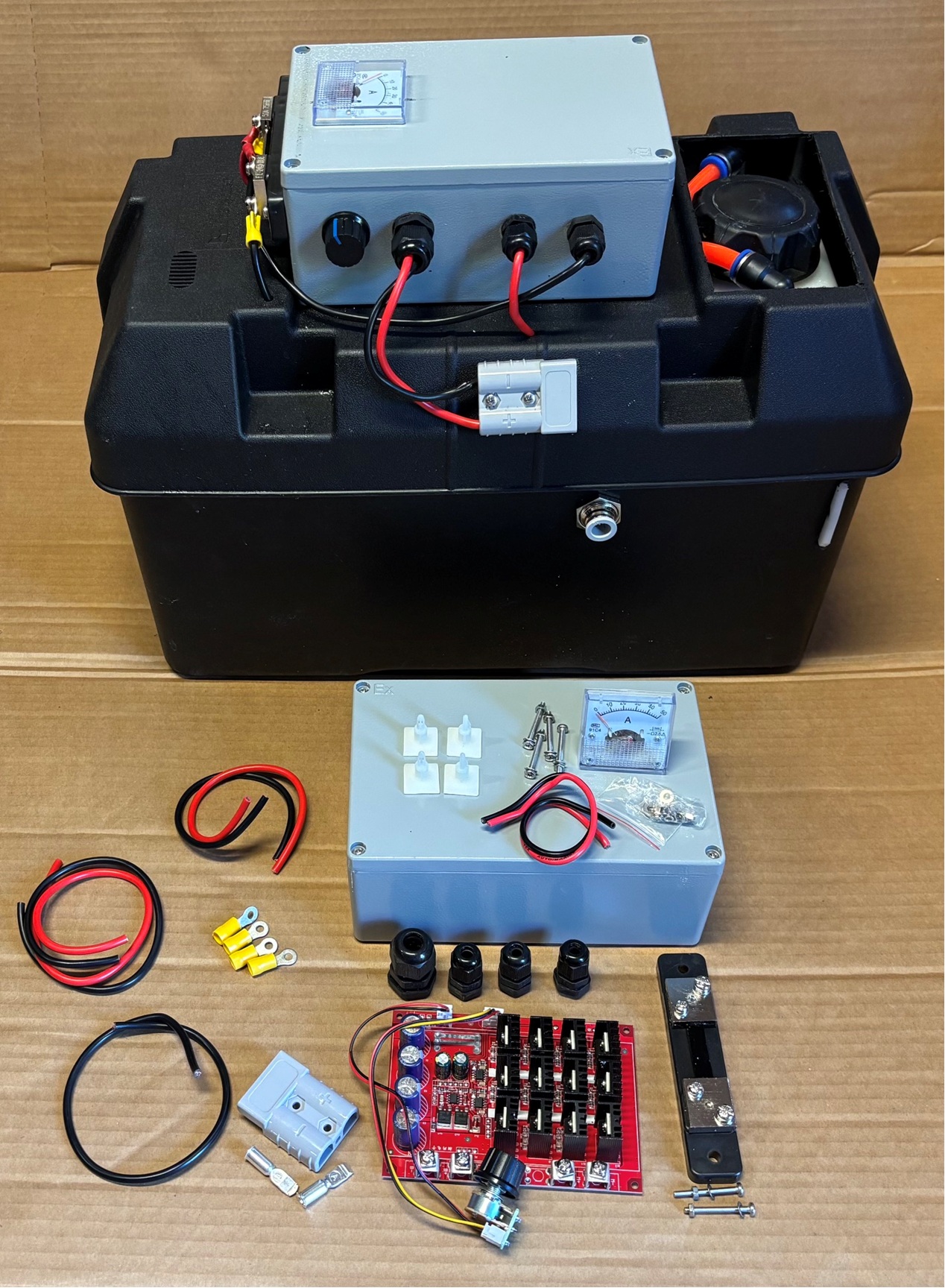
Brilliant Invention Gen 20 Hydrogen Generator July 2 2026
Brilliant Invention Gen 20 Hydrogen Generator ---(update Feb 7... Full Story
Perth, West Australia




by Gavan Knox MSc, BSc, BEd, Inventor
WhatsApp call +61 403177183
contact gavan@hfuel.com.au
https://hydrogenfuelsystems.com.au
HHO Technology for Lower Fuel Use and More Pull – Sept 21. A diesel work ute that runs all day, a long-haul truck pulling hard, or a generator burning fuel through every shift has one thing in common: small efficiency improvements can add up fast. HHO technology is designed to target that opportunity by introducing a controlled hydrogen and oxygen gas blend into an internal combustion engine’s air intake, supporting a faster and more complete burn of the fuel already being used.
For operators watching every litre, this is not about chasing a novelty under the bonnet. It is about reducing waste in the combustion event, improving engine response and giving high-use vehicles, machinery and marine engines a better chance of converting fuel into useful work. The right system, correctly sized and properly installed, gives you a practical pathway to measure whether the numbers stack up for your application.

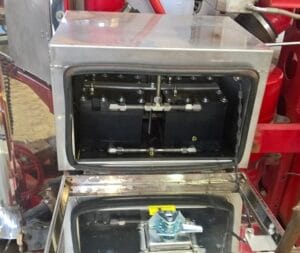
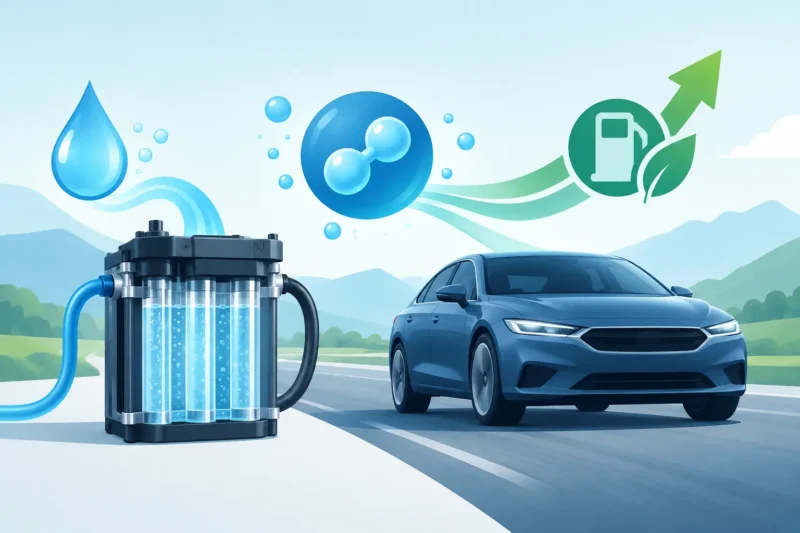
HHO technology refers to an on-board gas generation system commonly called a hydrogen generator or HHO kit. The system uses electrical power from the vehicle or equipment to separate purified water into hydrogen and oxygen gas through electrolysis. That gas is then introduced in small, controlled quantities into the engine intake.
The engine is not converted to run solely on hydrogen. It remains a petrol or diesel engine using its normal primary fuel. The HHO gas is an enhancement to the combustion process, not a replacement fuel system.
That distinction matters. A well-designed HHO setup is intended to complement the engine’s existing operation without asking the owner to redesign the vehicle, replace the fuel tank or sacrifice day-to-day usability. For a working fleet, a 4WD heading off-grid or a generator that cannot afford downtime, that is the practical appeal.

Hydrogen has a wide flammability range and a fast flame speed. When introduced at the correct rate, the gas can assist ignition and flame propagation within the cylinder. The aim is more complete combustion of the petrol or diesel charge, particularly where an engine’s normal operating conditions leave part of the fuel burn less efficient.
In real terms, cleaner combustion may help reduce unburnt fuel residues and support a more responsive engine. Drivers often look for stronger low-end pull, smoother acceleration and a reduction in the heavy, lazy feeling that can develop in hard-working engines.
For diesel applications, the potential value is especially clear. Diesel engines are built for torque and long service, but they can also consume serious fuel under load. A truck, excavator, boat or standby generator may run for hundreds or thousands of hours each year. Even a modest improvement in fuel consumption can be meaningful when it is repeated across that operating time.
The outcome is never one fixed percentage for every engine. Fuel use depends on load, driver behaviour, tyre pressures, servicing, terrain, tow weight, engine condition and idle time. Anyone promising the same result from every vehicle is ignoring how engines are actually used. The right approach is to establish a reliable fuel baseline, fit the system correctly, then compare like-for-like operating data.
An effective system is more than a gas cell mounted in the engine bay. Each part needs to be matched to the application and installed with care.
The generator cell produces HHO gas through electrolysis. Its output must suit the engine size and duty cycle. A small passenger car, a heavy 4WD, a prime mover and a marine engine do not have the same gas demand, electrical capacity or mounting requirements.
The water reservoir and electrolyte arrangement supply the cell. Water quality, fluid level and servicing intervals affect output consistency. A dry cell, contaminated water or neglected maintenance can undermine performance and shorten component life.
A properly specified power supply, wiring protection and control system manage electrical draw. This is not an area for shortcuts. The generator should operate appropriately with the engine running, and the electrical installation needs secure connections, correct fusing and sensible cable routing away from heat, vibration and moving parts.
Finally, the gas delivery line, filter and safety components carry the gas to the intake. The gas path must be sealed, protected and positioned to suit the engine. Poor hose routing or improvised fittings are not proof of innovation. They are a reason to stop and fix the installation.
The quickest way to spoil a potentially worthwhile upgrade is to buy a system based on a generic claim rather than the engine in front of you. System sizing should consider engine displacement, fuel type, aspirated or turbocharged configuration, normal operating load, electrical system capacity and available mounting space.
A light vehicle may suit a compact system, while larger diesel engines generally require greater output capacity. Hydrogen Fuel Systems offers generator sizes including Gen 10, Gen 15, Gen 20 and Gen 25 configurations because one-size-fits-all is not a serious strategy for mixed vehicle and machinery applications.
A 4WD that sees school runs during the week and towing on weekends needs a different conversation from a courier van that racks up urban kilometres every day. Likewise, a fishing boat operating under sustained load has different ventilation, corrosion and mounting considerations from a road vehicle. Fit the system to the job, not just the badge on the grille.
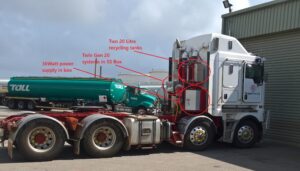
HHO systems are commonly considered for petrol and diesel cars, utes, 4WDs, trucks, vans, marine engines and stationary generators. The strongest business case is often found where fuel consumption is high and operating hours are consistent.
Fleet vehicles can be a logical starting point because their mileage, routes and refuelling records are usually easier to track. Generator owners can compare fuel burn over known load periods. Owner-drivers can record kilometres per tank and separate city work from highway travel. The better the operating data, the easier it is to judge the result.
A quality kit still needs a quality installation. The system should be mounted firmly, away from excessive heat and in a location that allows routine inspection. Water levels, hose condition, electrical connections and mounting hardware all need to be accessible.
The intake connection must be chosen carefully. The objective is a stable, controlled delivery of gas without compromising the engine’s normal air management. Modern vehicles may also require particular attention to sensors, engine management behaviour and available space around turbo plumbing or airboxes.
For many owners, the decision comes down to whether to install the kit themselves or use an experienced fitter. A mechanically capable person who follows application-specific instructions can complete many installations successfully. But a commercial vehicle, late-model diesel, marine engine or fleet deployment can justify professional installation because the cost of incorrect fitment is higher than the cost of doing it right once.
Before fitting any aftermarket equipment, check vehicle warranty implications, insurance requirements and applicable Australian road, marine or workplace rules. A reputable supplier should provide clear technical documentation, component information and installation guidance rather than asking you to guess.
Do not rely only on the first impression after installation. Better throttle response can be useful, but fuel savings need records. Start with a baseline over enough kilometres or operating hours to account for normal variation. Record litres purchased, kilometres travelled or hours run, the typical load, route type and any towing or idling.
After installation, continue recording the same information under comparable conditions. Look at litres per 100 km for road vehicles, or litres per hour for generators and marine equipment. If a fleet runs several similar vehicles, trial one unit first and compare it against the others on similar work.
You should also pay attention to maintenance indicators. Exhaust smoke, engine smoothness and intake cleanliness can be useful observations, but they should not replace proper servicing. HHO technology works best as part of a disciplined operating routine that includes clean filters, correct tyre pressures, quality fuel, sound injectors and regular maintenance.
The market has plenty of bold claims, so ask direct questions. What output is recommended for your engine? Is the system designed for your fuel type and application? What safety and electrical components are included? Are installation instructions specific enough to follow? Is there technical support if you need help during fitment?
Ask for evidence that goes beyond a polished sales line. Test reports, certification documents, patents, real operating data and detailed product specifications all help separate a properly engineered system from a cheap collection of parts. The system should be built for vibration, heat and the real conditions Australian vehicles face, from Perth summer heat to long regional hauls and dusty work sites.
HHO technology will not repair worn injectors, compensate for a blocked air filter or turn poor driving habits into fuel savings. What it can do is support a cleaner, more efficient combustion process when the engine and installation are in good order. Start with accurate records, choose a correctly sized system, and let measured operating results make the decision for you.
by Gavan Knox MSc, BSc, BEd, Inventor
WhatsApp call +61 403177183
contact gavan@hfuel.com.au
https://hydrogenfuelsystems.com.au
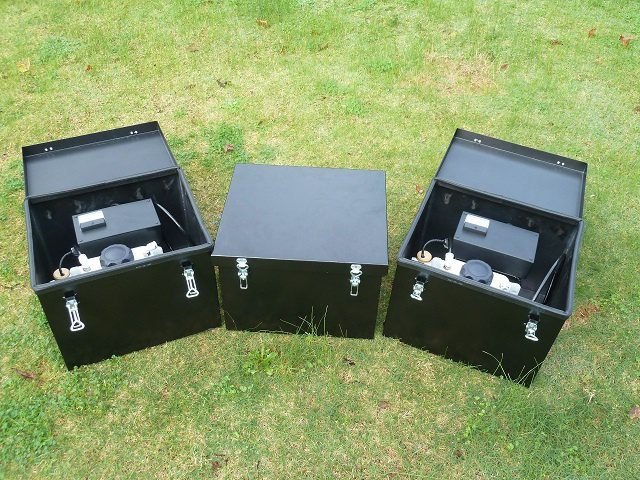
Brilliant Invention Gen 20 Hydrogen Generator ---(update Feb 7... Full Story

by Gavan Knox HFS whats app +61 403177183 gavan@hfuel.com.au... Full Story
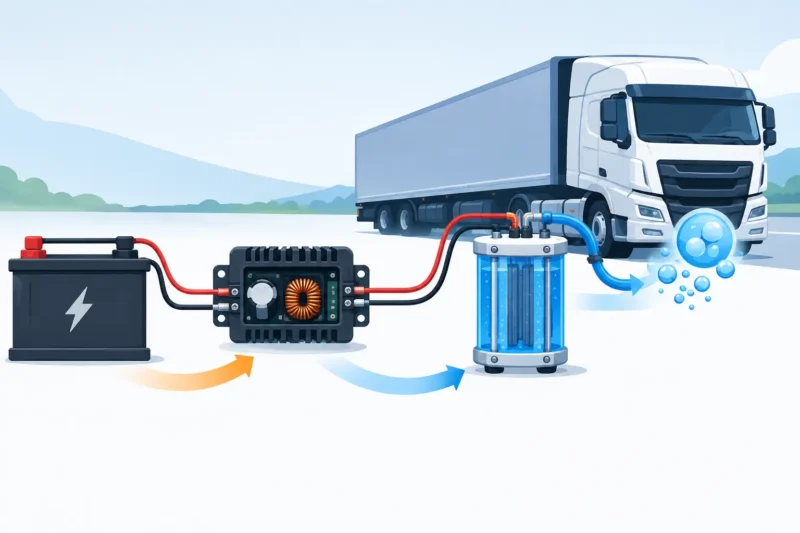
How 24V-to-13.8V Buck Configuration Regulators Affect HHO generation in... Full Story
A diesel that is smoking, using more fuel or... Full Story

How Do DC-DC Boost Regulators Affect Hydrogen Gas Production?... Full Story
Payment Methods Partner:

© 2023 - Hydrogenfuelsystems pty ltd